
Send My Projects Request
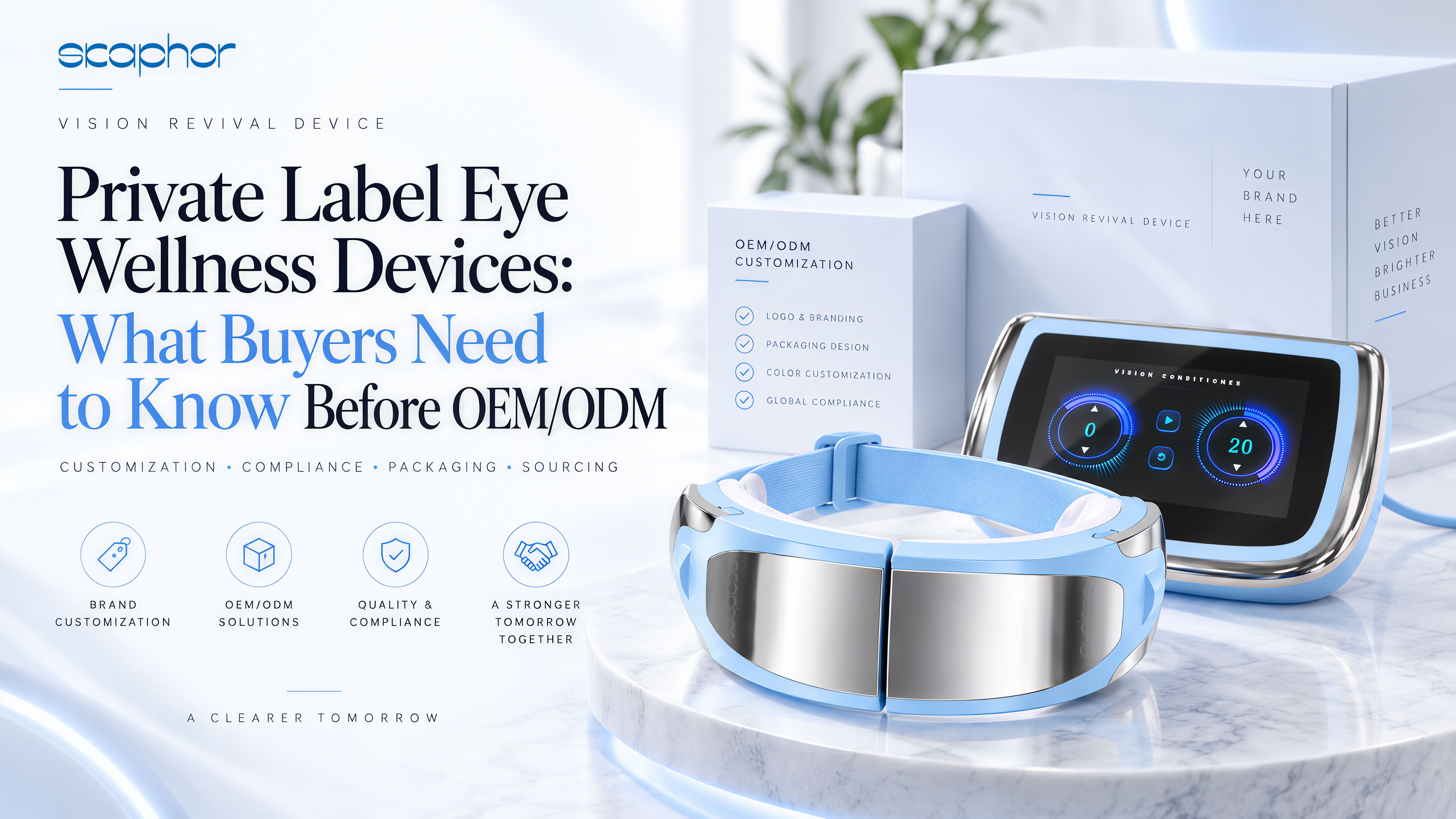
Private Label Eye Wellness Devices: What Buyers Need to Know Before OEM/ODM
Friday, 09/18/2026
Introduction
As demand for eye wellness products grows, more distributors, clinics, retailers, and wellness brands are exploring private label eye wellness devices.
OEM/ODM can help businesses launch products under their own brand more efficiently. However, buyers should look beyond branding and carefully evaluate product technology, customization, compliance, MOQ, quality control, packaging, and after-sales support.
OEM vs. ODM: What’s the Difference?
OEM usually involves deeper customization based on the buyer’s requirements, such as product appearance, functions, hardware, or packaging.
ODM usually means using an existing product platform and customizing selected elements, such as:
·Logo
·Product color
·Packaging
·User manual
·Language
·Accessories
For first-time buyers, ODM is often a faster and lower-risk way to enter the market.
What Buyers Should Check Before OEM/ODM
1. Product Differentiation
Buyers should understand what makes the product different from common eye massagers.
For example, the Skaphor Vision Revival Device uses 0–100Hz bio-optical signals, dynamic frequency modulation, and micropulse technology, offering a different concept from traditional heat, vibration, or air-pressure eye massagers.
2. Customization Options
Private-label customization may include branding, colors, packaging, manuals, languages, accessories, and product configuration.
More advanced customization may require higher MOQ, additional testing, tooling, and longer lead times.
3. MOQ
MOQ depends on the level of customization.
For new buyers, it is usually better to start with standard samples, evaluate the product and market response, and then move into customized production.
4. Compliance
Before mass production, buyers should confirm the certifications and documentation required for the target market.
Common requirements may include CE, FCC, RoHS, EMC, electrical safety, and material compliance.
Marketing claims should also match the product’s intended positioning and local regulations.
5. Sample Testing
Testing a sample before placing a large order helps buyers evaluate product quality, functions, packaging, accessories, and overall user experience.
It is also an important step before confirming private-label customization.
6. Quality Control
A reliable eye wellness device manufacturer should have clear quality-control procedures covering components, assembly, functional testing, appearance, packaging, and final inspection.
7. Packaging and Lead Time
Packaging affects both brand image and shipping cost.
Buyers should also confirm the full project timeline, including sample approval, design confirmation, production, inspection, and shipment.
8. After-Sales Support
Before ordering, buyers should confirm warranty terms, replacement policies, technical support, user manuals, and troubleshooting materials.
This is particularly important for distributors managing local customers.
Choosing the Right OEM/ODM Partner
A strong OEM/ODM partner should offer more than manufacturing. It should also support product evaluation, customization, quality control, compliance, marketing materials, and long-term product development.
Skaphor, developed by Guangzhou Ruiheng Electronic Technology Co., Ltd., focuses on intelligent eye wellness devices and supports international distribution, wholesale, and OEM/ODM cooperation.
For new buyers, starting with product evaluation and then moving into customization based on market feedback is often the most practical approach.
🌐 Website: www.skaphor.net
📧 Email: admin@skaphor.net
FAQ
Is OEM or ODM better for first-time buyers?
For many first-time buyers, ODM is often the more practical option because it can reduce development time, initial investment, and project complexity while still allowing important branding customization.
Product Categories
Recommended for you
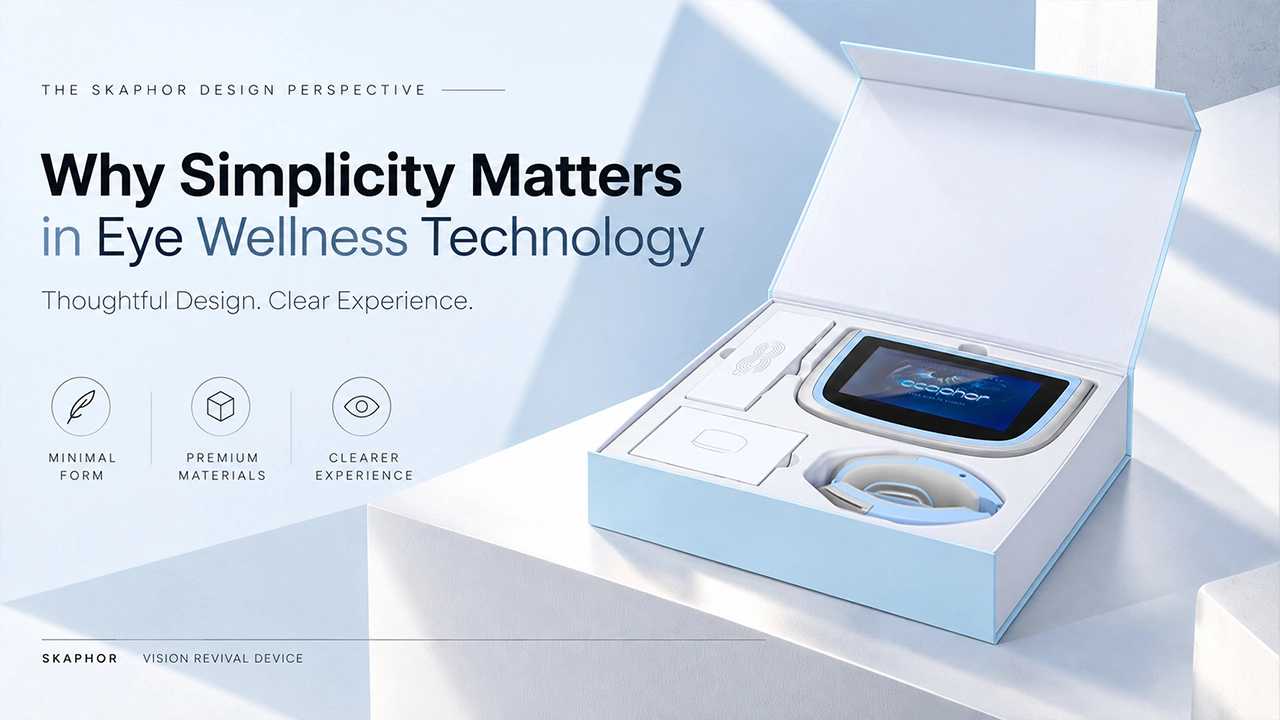
Why Simplicity Matters in Eye Wellness Technology
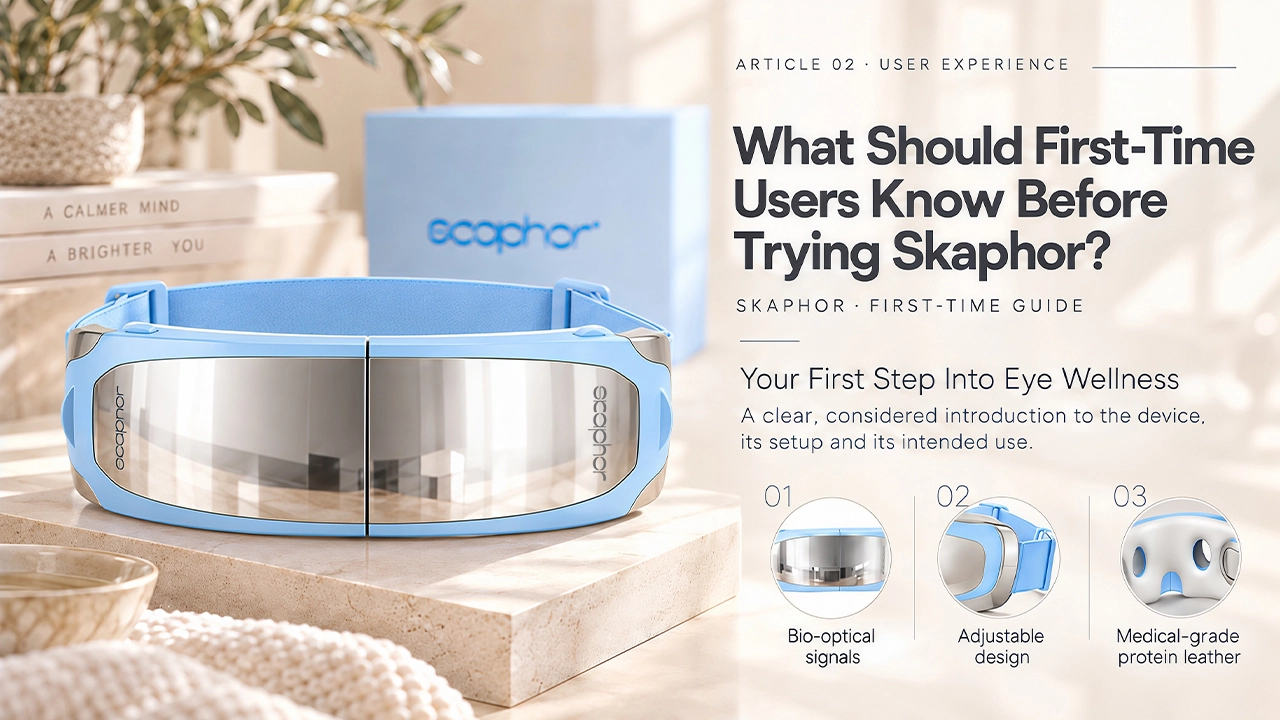
What Should First-Time Users Know Before Trying Skaphor?
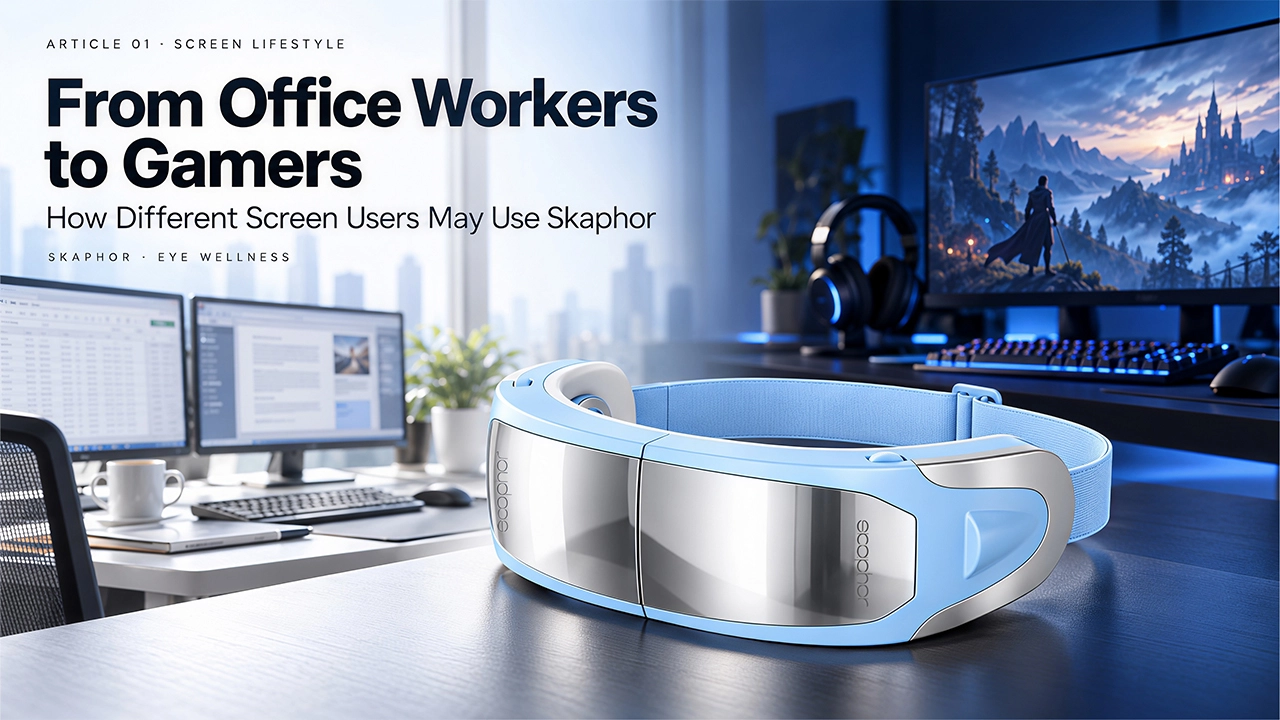
From Office Workers to Gamers: How Different Screen Users May Use Skaphor
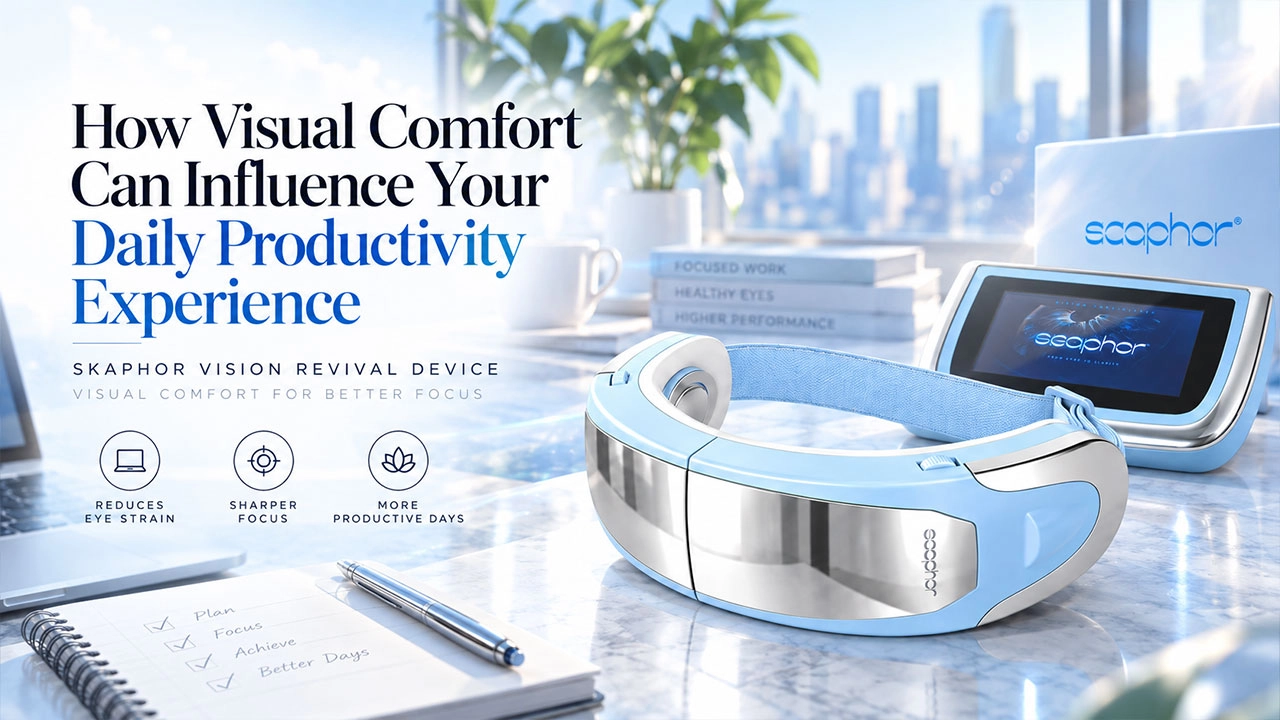
How Visual Comfort Can Influence Your Daily Productivity Experience?
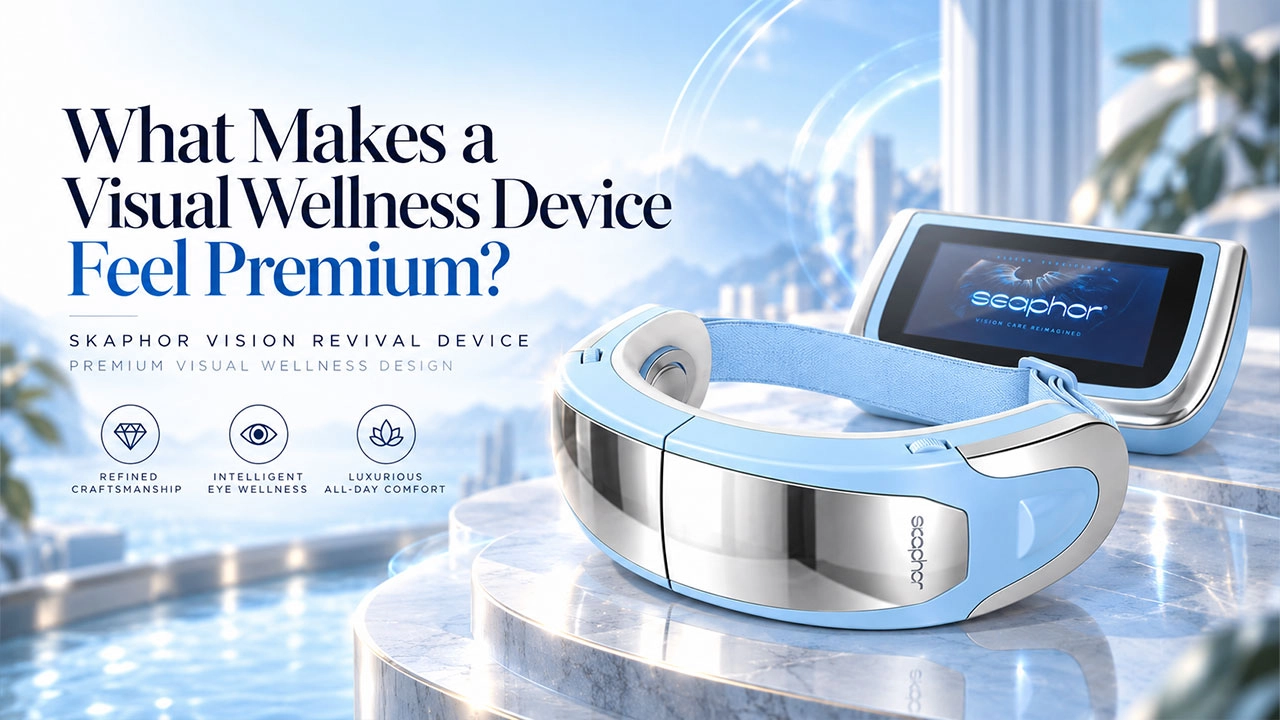
What Makes a Visual Wellness Device Feel Premium?
Product Categories
Product Categories
FAQ
About Products
Does it support the cooperation of clinical organizations in research?
Open to clinical data cooperation, provide equipment and technical program support (need to sign MOU).
About Company
Do you have a medical device manufacturing license?
We hold a Class II Medical Device Manufacturing License issued by the Guangdong Pharmaceutical Administration (number can be verified).
Do you have any overseas market access certificates?
We have obtained CE (MDD), FCC, ROHS, and EMC certificates and can assist in target market registration.
Can you provide me with the company's qualifications and patent certificates?
We can provide business license, Class II Medical Device Manufacturing Record Certificate, and a list of patents (in English and Chinese).
Technical Verification
How to ensure safety?
Built-in current/temperature triple protection system, passed GB9706.1-2020 medical electrical safety standards.
-
Contact Us for More Details
-
-
For custom designs, competitive pricing, or strategic partnerships, reach out to us. We'll get back to you promptly—usually within 24 hours.
-
Ruiheng Technology--Global Eye Protection Technology Innovator.
Contact Skaphor
Email: admin@skaphor.net
Address: Room 406, No. 101, Wanghu 1st Road, Baiyun District, Guangzhou, Guangdong Province, China.
© 2026 Skaphor. All Rights Reserved.
Skaphor
Skaphor