
Send My Projects Request
Eye Care Instruments: Why Skin-Contact Materials Matter More Than Specs
Tuesday, 03/3/2026
When choosing eye care instruments, most people focus first on technical specifications—light intensity, frequency settings, or treatment duration. While these parameters are important, they are not the only factor that determines user experience.
In daily use, the material that directly touches the skin often plays a more critical role than the numbers on a specification sheet. For devices designed for long-term visual support, comfort, safety, and skin compatibility are essential. This article explains why skin-contact materials deserve more attention than performance specs alone.
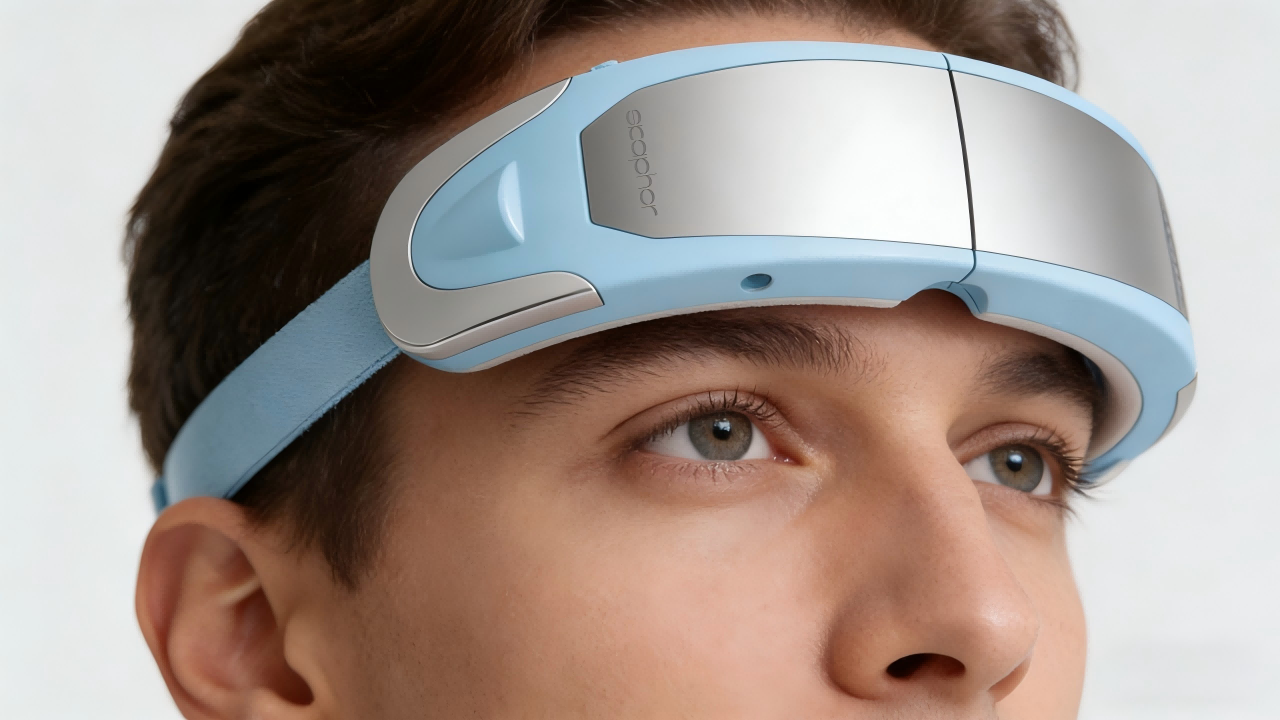
1. The Unique Sensitivity of the Eye Area
The skin around the eyes is:
- Thinner than most areas of the face
- Rich in nerve endings
- Highly vascularized
- Easily irritated
Because of this sensitivity, prolonged contact with poorly designed materials can lead to:
- Pressure discomfort
- Local heat accumulation
- Skin irritation
- Reduced wearing time
Even the most advanced eye caring instrument will not be effective if users feel discomfort and shorten their sessions.
2. Why Technical Parameters Do Not Guarantee Comfort
Manufacturers often highlight:
- Adjustable intensity levels
- Multiple frequency modes
- Programmable timing
However, strong specifications do not automatically translate into a better experience.
If the device does not fit properly against the skin:
- Contact becomes uneven
- Signal delivery may fluctuate
- Users may adjust it repeatedly
- Muscle tension may increase instead of relax
In long-term visual support, stable and comfortable physical contact is often more important than pushing technical limits.
3. Material Choice Affects Long-Term Compliance
Visual support is not about short bursts of intensity. It is about consistency.
For daily-use devices, skin-contact materials should ideally offer:
- Soft, flexible medical-grade silicone or equivalent materials
- Breathability to reduce heat buildup
- Hypoallergenic surface treatment
- Ergonomic curvature that follows facial structure
- Easy-to-clean and detachable components
When these elements are carefully designed, users are more likely to maintain consistent routines. And consistency is what supports long-term visual comfort.
4. From Specification-Driven to Experience-Driven Design
The evolution of eye care instruments reflects a broader industry shift. Instead of focusing solely on measurable output values, more manufacturers now prioritize:
- Ergonomic design
- Comfort during extended use
- Safety for sensitive skin
- Non-invasive daily support
This shift is also visible among many ophthalmology equipment manufacturers, who are increasingly exploring non-invasive, wellness-oriented solutions alongside traditional clinical tools.
As visual health moves from treatment-focused care toward long-term management, material science becomes just as important as performance engineering.
5. How to Evaluate Skin-Contact Materials in Eye Devices
When selecting an eye device, consider the following:
- Is the material certified for skin contact?
- Does it provide soft, adaptive support rather than rigid pressure?
- Is ventilation considered in the design?
- Can the contact surface be removed and cleaned easily?
- Does prolonged use leave visible pressure marks or discomfort?
These factors often determine whether the device can realistically be used daily.
When evaluating eye care instruments, it is easy to focus on numbers—intensity levels, timing options, and technical capabilities. However, real-world usability depends heavily on what touches the skin.
For daily visual support, safe and well-designed skin-contact materials are not a minor detail—they are foundational. Comfort supports consistency, and consistency supports long-term visual wellness.
Prdoucts Categories
Recommended for you
Eye Caring Instrument Design: Three Details That Matter Most
Why Ophthalmology Equipment Manufacturers Are Entering Non-Invasive Eye Care
How Eye Care Instruments Support Vision Training—Without Replacing It

Eye Massage to Improve Eyesight: Common Myths About Eye Fatigue Relief
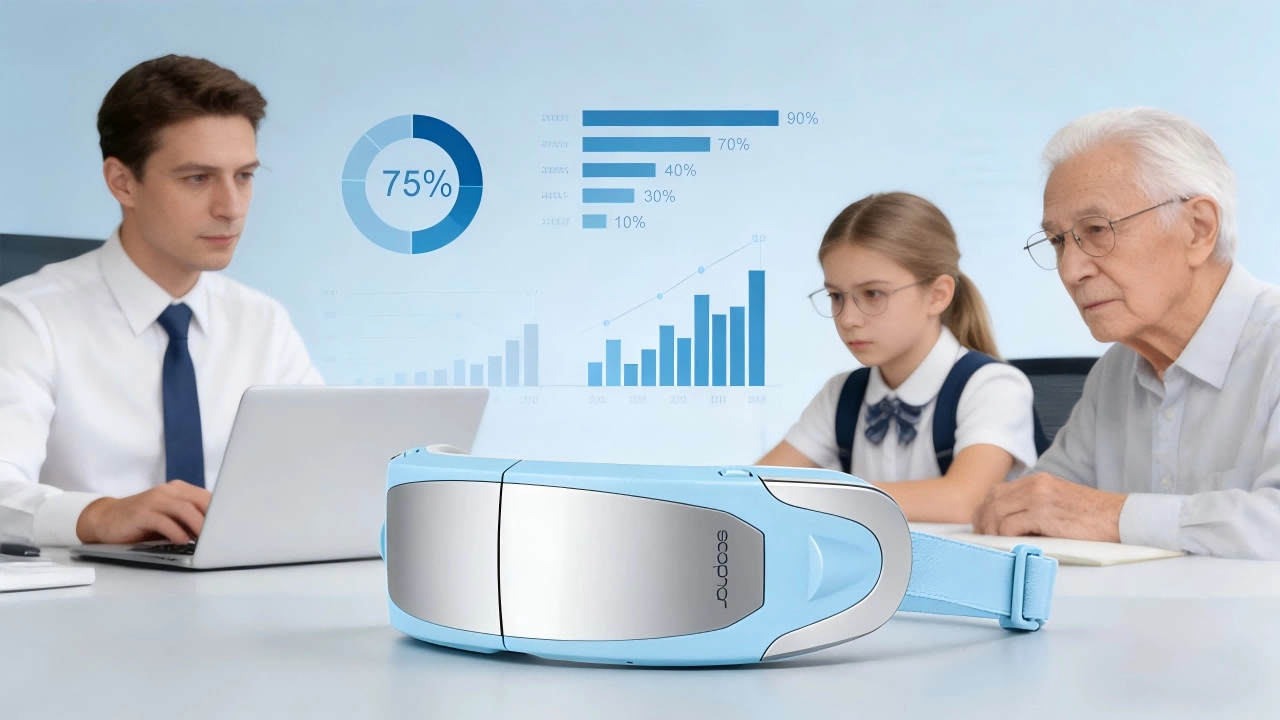
How Widespread Is Visual Fatigue? The Real Numbers Across Office Workers, Students, and Older Adults
Prdoucts Categories
Prdoucts Categories
FAQ
About Company
Can you provide me with the company's qualifications and patent certificates?
We can provide business license, Class II Medical Device Manufacturing Record Certificate, and a list of patents (in English and Chinese).
About Skaphor
What support do you offer after purchase?
We provide full technical support, user manuals, and responsive after-sales service. Warranty policies and remote assistance are available to ensure your satisfaction.
Logistics and Customs Clearance
How long is the delivery cycle?
20 days delivery after placing order (including quality inspection).
Does it support cross-border logistics?
We provide CIF service, and we have exported to Japan and Korea/EU/Middle East/Asia and other markets.
Marketing Support
Is there any joint promotion subsidy?
Annual purchases of more than 10,000 units can apply for a 50% rebate on advertising costs.
-
Contact Us for More Details
-
-
For custom designs, competitive pricing, or strategic partnerships, reach out to us. We'll get back to you promptly—usually within 24 hours.
-
Ruiheng Technology--Global Eye Protection Technology Innovator.
Contact Skaphor
Email: admin@skaphor.net
Address: Room 406, No. 101, Wanghu 1st Road, Baiyun District, Guangzhou, Guangdong Province, China.
© 2026 Skaphor. All Rights Reserved.
zhu Juliy
Skaphor_ Juliy