
Send My Projects Request
Info Center
Explore Skaphor’s Info Center—the hub for eye care equipment insights. Here, you’ll find the latest updates on our innovations, product launches, industry insights, and global activities.
Saturday, 03/28/2026
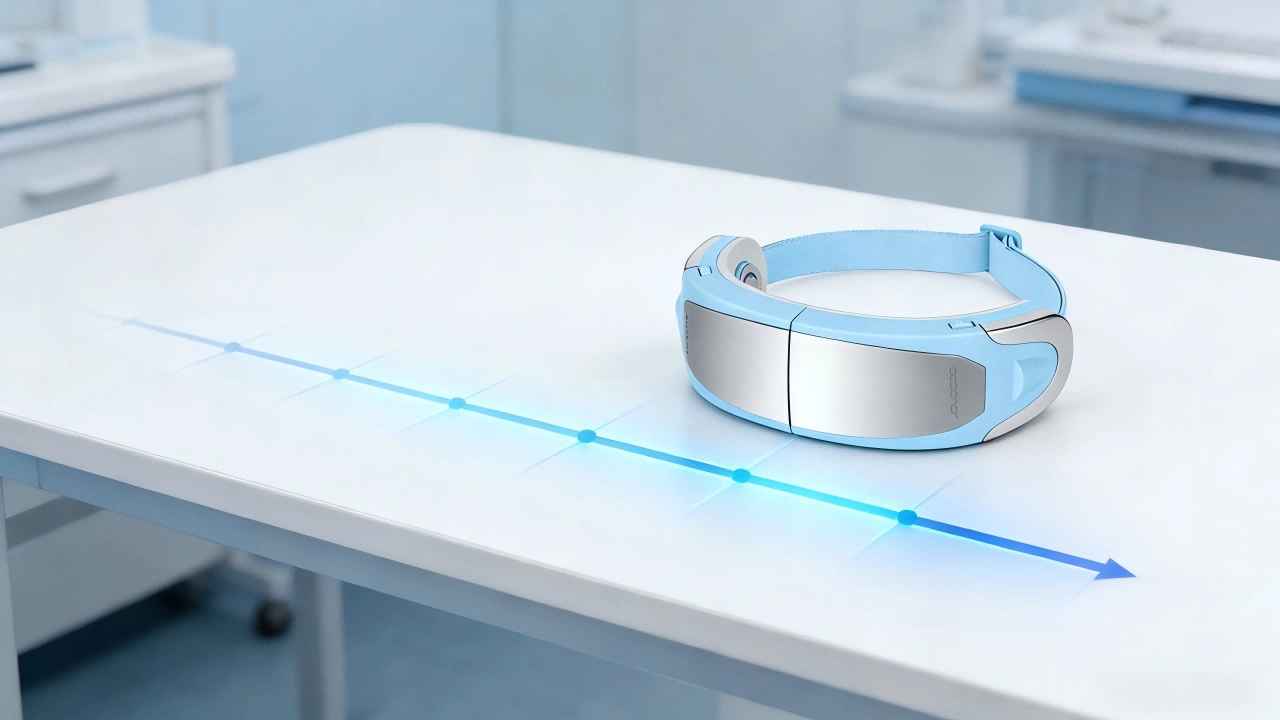
Seeing Clearly ≠ Seeing Comfortably: Why Visual Endurance Is Gaining Medical Attention
For a long time, clear vision has been considered the primary indicator of eye health. If you can see clearly, your eyes are assumed to be “fine.”
However, both clinical observations and modern lifestyle changes are shifting this perspective. Increasingly, eye care professionals are paying attention to a new dimension: visual endurance.
In simple terms, seeing clearly does not necessarily mean you can see comfortably for long periods.
Symptoms such as eye fatigue, dryness, and reduced focus after prolonged screen use are becoming more common—even among individuals with normal vision.
This article explores why visual endurance is gaining importance, and how eye care instruments and vision therapy instruments are being discussed in this evolving field.
Details ⇀
Monday, 03/23/2026
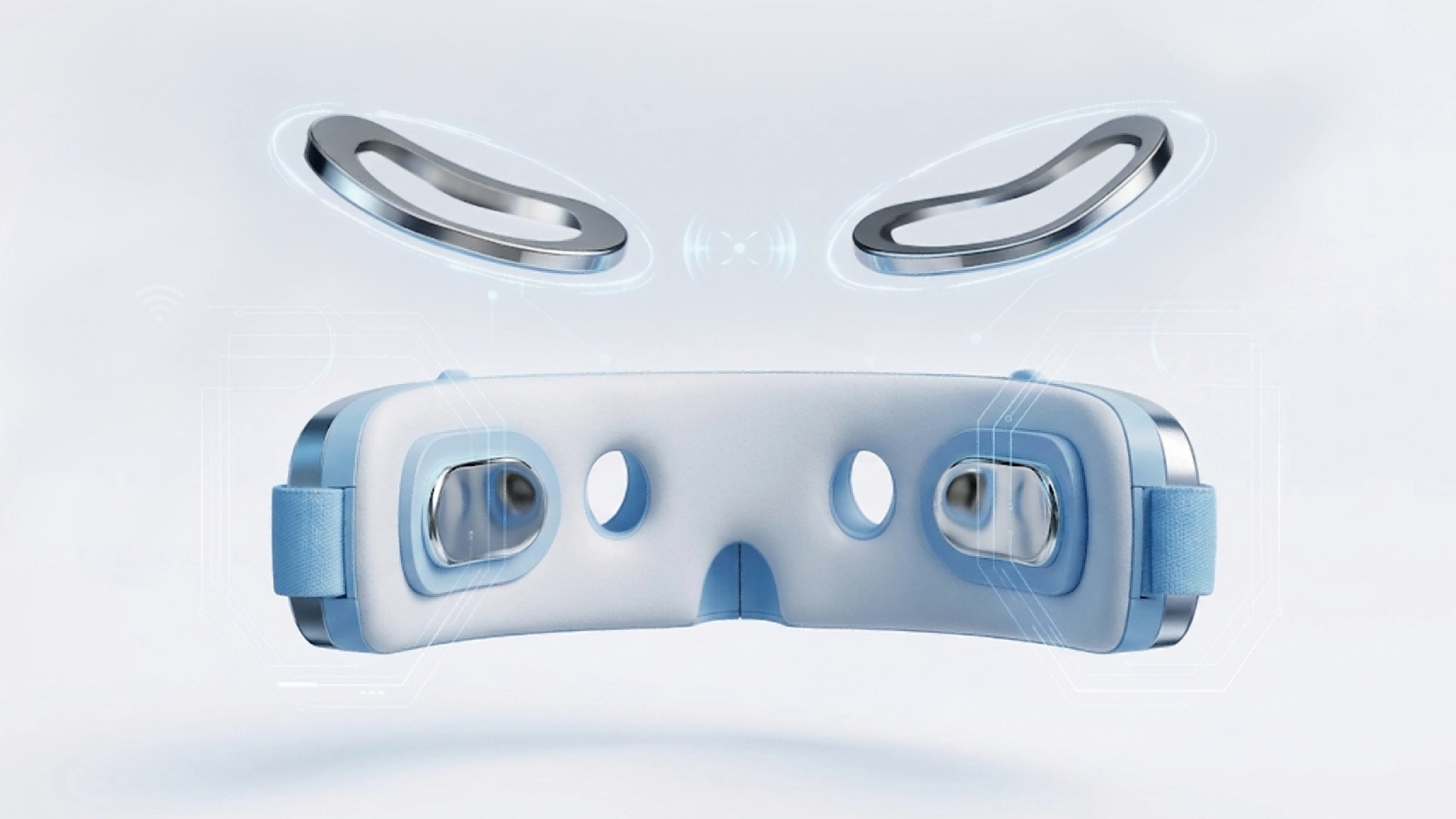
What Is Magnetic Electrode Design? A New Trend in Eye Care Devices
As eye care devices continue to evolve, structural design is becoming an increasingly important factor in user experience. Compared to traditional fixing methods, magnetic electrode design is gaining attention for its convenience, stability, and comfort.
But what exactly is magnetic electrode design? How is it different from traditional structures? And why is it becoming a preferred choice in modern eye care devices?
In this article, we explore these questions from both a structural and user-experience perspective.
Details ⇀
Wednesday, 03/4/2026
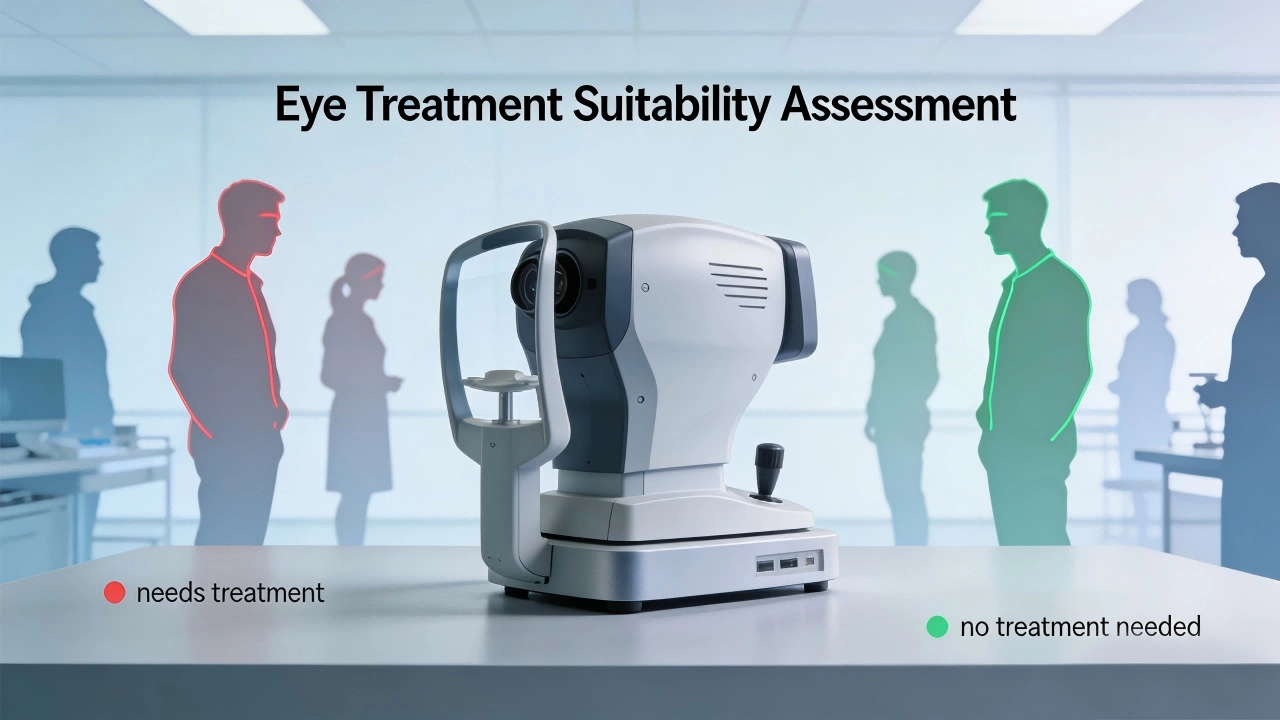
Are Eye Treatment Machines Suitable for Everyone?
As awareness of visual health continues to grow, more people are becoming familiar with different types of eye treatment machines and eye care devices. These products are often associated with relieving eye fatigue or supporting visual comfort, which has led to increasing interest among everyday users.
However, an important question is often overlooked:
Are eye treatment machines really necessary for everyone?
In many situations, visual discomfort can be improved simply by adjusting daily habits rather than relying on a device. Understanding when such tools are helpful—and when they are unnecessary—can lead to a more balanced approach to eye care.
Details ⇀
Thursday, 02/26/2026
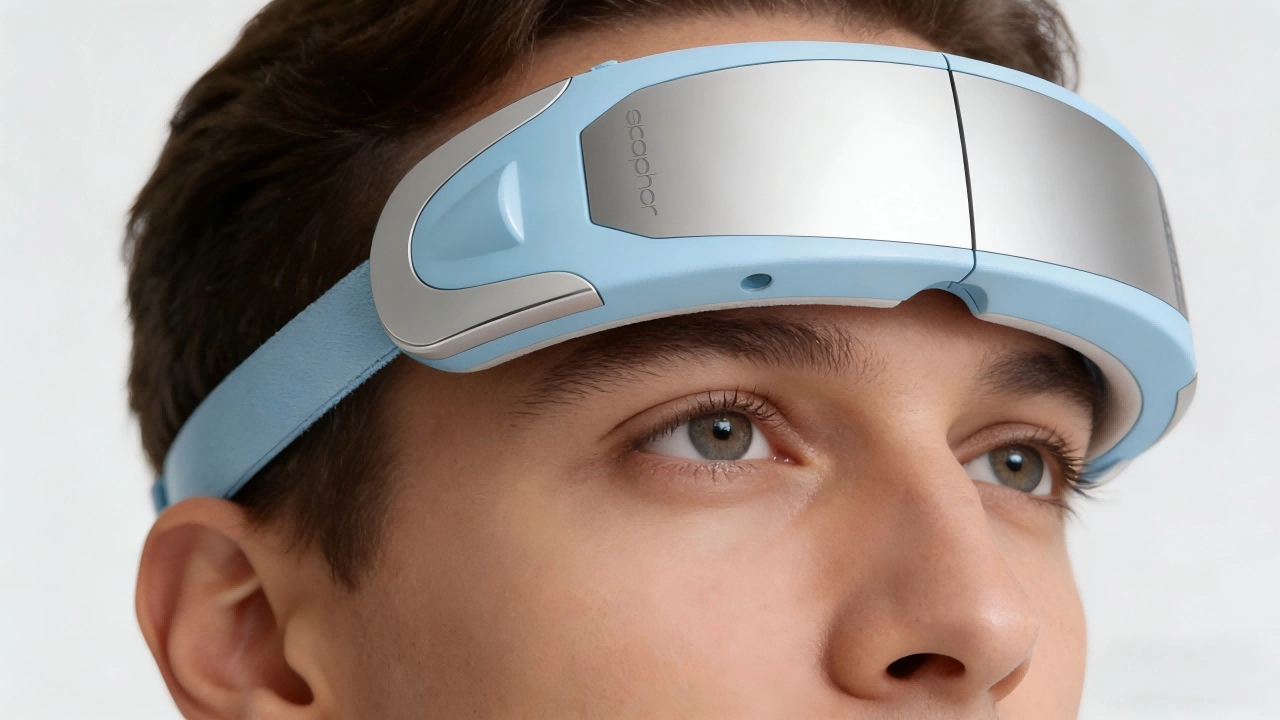
Eye Care Instruments: Why Skin-Contact Materials Matter More Than Specs
When choosing eye care instruments, many people first look at technical specifications such as intensity levels, frequency modes, or operating time. While these parameters are important, they do not always determine how comfortable a device feels during real use.
For devices that touch the skin around the eyes, the material of the contact surface plays a critical role. Comfort, flexibility, and skin compatibility often have a greater impact on the user experience than technical specifications alone.
This is why many modern eye caring instruments place increasing emphasis on skin-contact material design.
Details ⇀
Monday, 02/23/2026
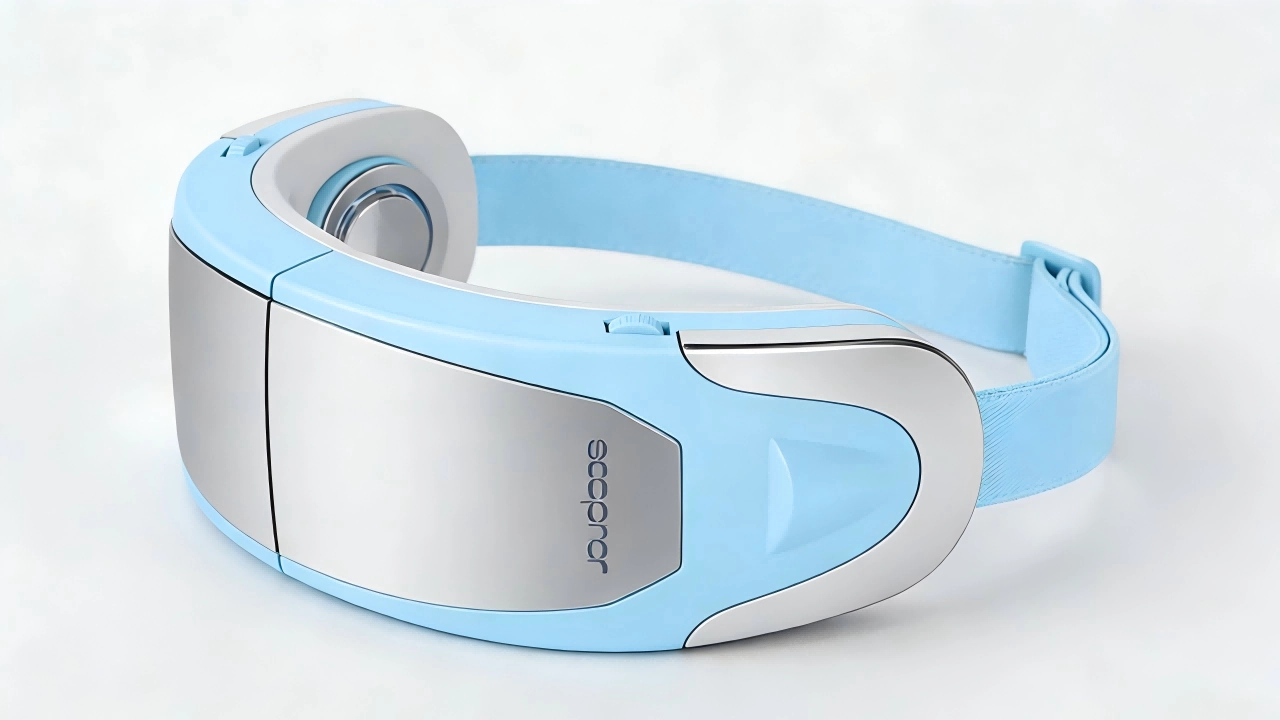
Eye Caring Instrument Design: Three Details That Matter Most
When people evaluate an eye caring instrument, they often focus on visible features—modes, intensity levels, or external appearance.
However, the factors that truly influence long-term usability are often subtle design decisions. In daily visual support scenarios, structural logic and user comfort frequently matter more than feature quantity.
This article explores three commonly overlooked design details that define the real quality of an eye caring instrument.
Details ⇀
Friday, 02/20/2026
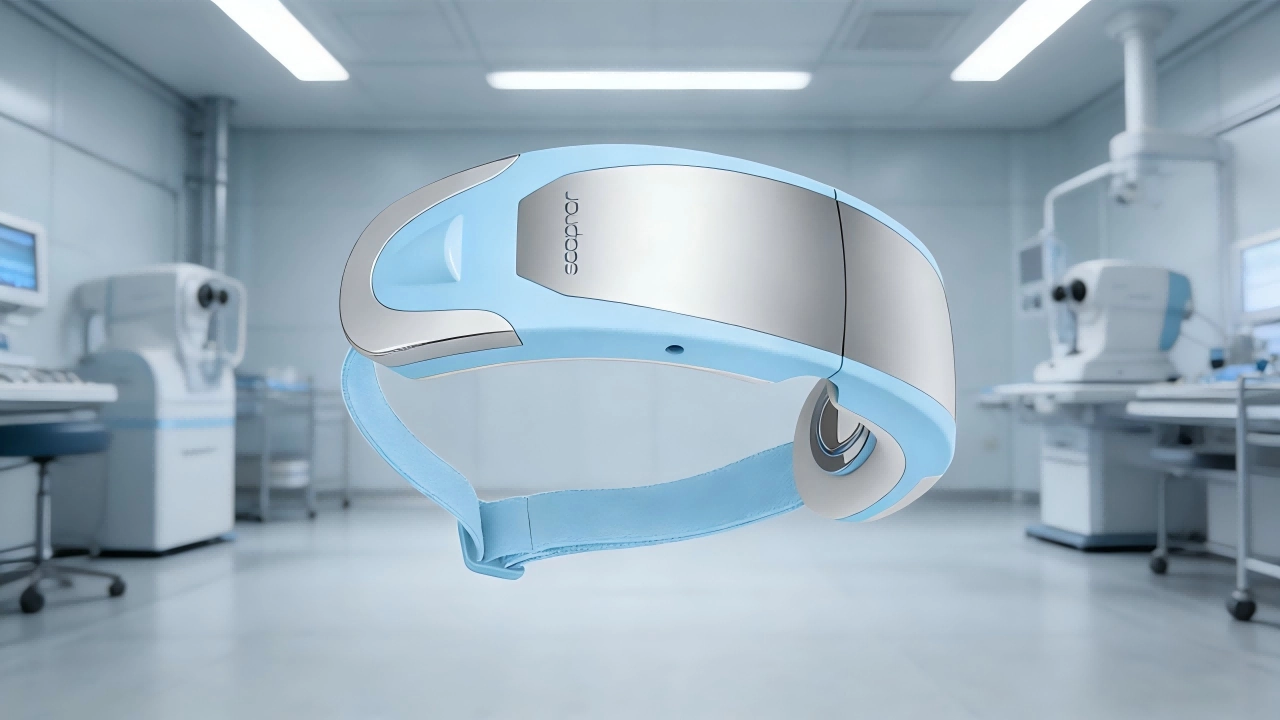
Why Ophthalmology Equipment Manufacturers Are Entering Non-Invasive Eye Care
For decades, ophthalmology equipment manufacturers have primarily focused on clinical diagnostic and treatment devices. However, a noticeable shift is taking place. Increasingly, traditional ophthalmic manufacturers are expanding into the field of non-invasive eye care.
This is not merely product diversification. It reflects a structural change in global visual health needs. As daily eye strain and visual fatigue become more common, industry priorities are gradually evolving.
Details ⇀
Wednesday, 02/18/2026
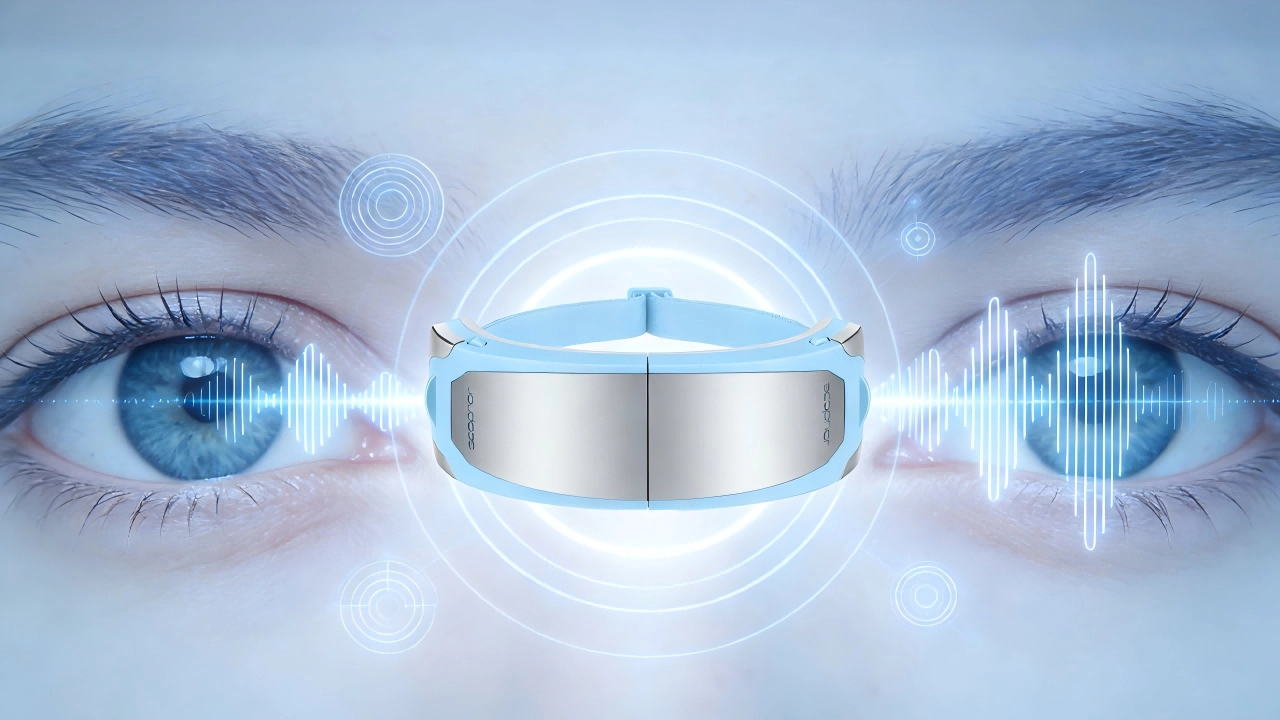
How Eye Care Instruments Support Vision Training—Without Replacing It
As awareness of visual wellness continues to grow, eye care instruments are increasingly discussed alongside vision training. This has led to a common misconception:
can the use of an eye care instrument replace structured vision training?
The answer is no. This article explains how eye care instruments are designed to support vision training, not substitute it, and why understanding this distinction leads to more effective visual care.
Details ⇀

Monday, 02/16/2026
Eye Massage to Improve Eyesight: Common Myths About Eye Fatigue Relief
When eyes feel tired, many people instinctively rub them, apply warm compresses, or search for techniques related to “eye massage to improve eyesight.”
These methods are widely discussed online and often presented as quick solutions. However, there is an important distinction between short-term comfort and actual changes in vision. Understanding this difference helps build realistic expectations about eye care.
Details ⇀
Friday, 02/13/2026
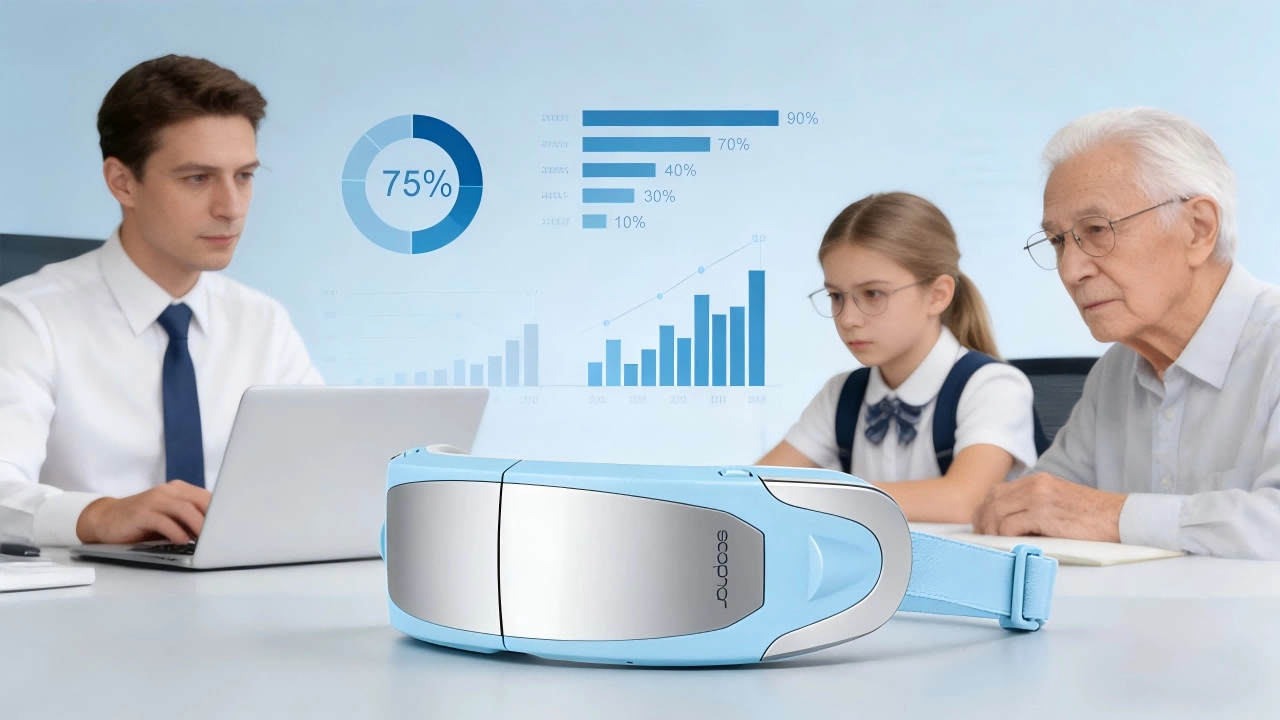
How Widespread Is Visual Fatigue? The Real Numbers Across Office Workers, Students, and Older Adults
Visual fatigue is no longer an occasional complaint limited to a specific group.
From office workers spending long hours in front of screens, to students under increasing academic pressure, and older adults experiencing reduced visual endurance, eye fatigue has become a common experience across age groups.
But how widespread is visual fatigue today? And why does it affect such different populations in similar ways? This article explores the real distribution of visual fatigue in everyday life.
Details ⇀
Tuesday, 02/10/2026
Eye Care Instruments Are Not for Treating Eye Diseases : Why We Focus on Daily Visual Support Instead
As awareness of eye health continues to grow, eye care instruments are becoming more visible in everyday life. Along with this growing attention, a common misunderstanding has emerged:
Are these devices meant to treat eye diseases?
The answer is no. This article explains why eye care instruments are designed for daily visual support, not medical treatment—and why this distinction matters.
Details ⇀
Friday, 02/6/2026
The Rise of Functional Vision Problems: Who Is Most Affected?
More people are reporting eye fatigue, tightness, or discomfort—even when their vision tests show normal results. These experiences are increasingly described in optometry as functional vision problems.
They do not always point to eye disease, but they are real, common, and becoming more frequent in modern life. Understanding who is most affected helps explain why traditional eye exams may not tell the full story.
Details ⇀
Wednesday, 02/4/2026
Why Your Eyes Feel Tired Even When All Tests Are Normal
Many people share the same confusing experience:
their general health checkups are normal, eye exams show no obvious problems, yet their eyes still feel tired, tight, or uncomfortable during daily life.
This mismatch between test results and real sensations is more common than expected. In many cases, it does not point to eye disease, but rather to how the visual system functions under everyday demands.
Details ⇀
Monday, 02/2/2026
Why Skincare Isn’t Enough for Eye Fatigue in the Digital Age
Many people care for their eyes with creams and masks, yet still experience dryness, pressure, or visual fatigue—especially after long hours of screen use. This is because modern eye discomfort is not only a skin issue, but a functional visual problem.
Eye fatigue often originates from prolonged near-focus, reduced ocular microcirculation, and overstimulation of the visual system. Addressing these root causes requires more than passive skincare—it requires visual awakening support.
Details ⇀
Saturday, 01/31/2026
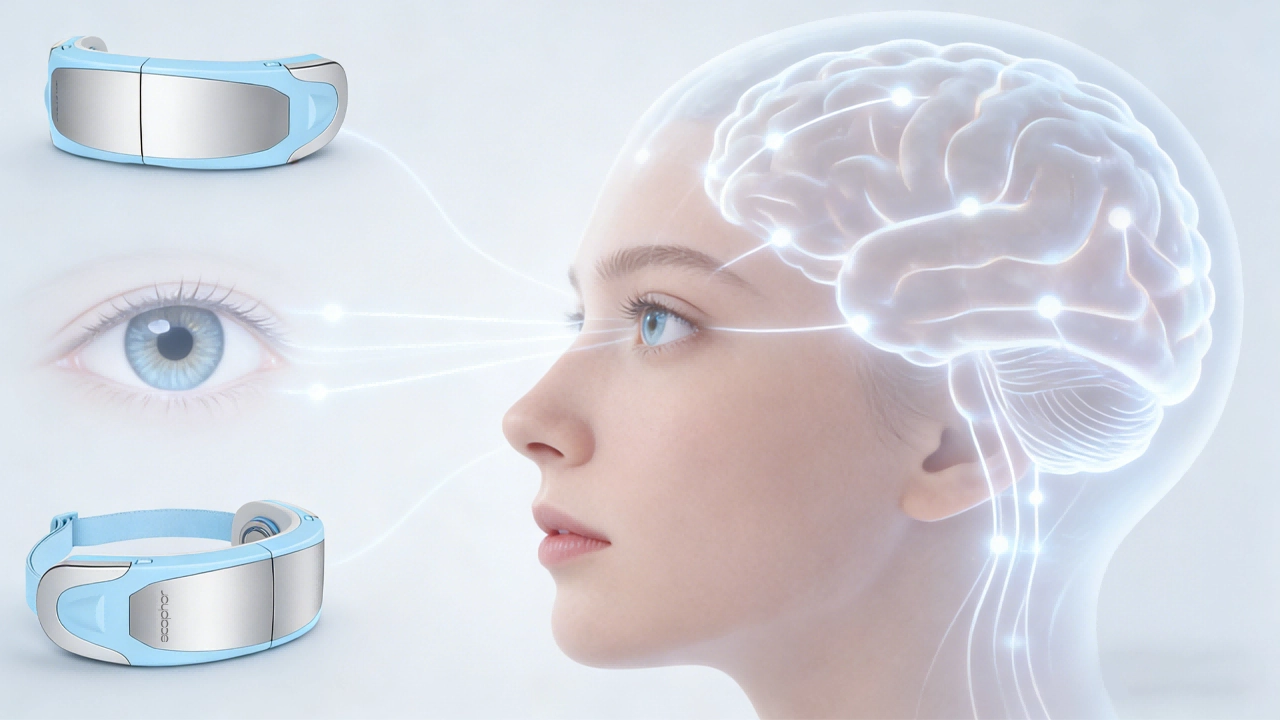
From Medical Use to Health Management: The Evolving Role of Eye Treatment Machines
For a long time, the term eye treatment machine was closely associated with clinical and medical environments, often perceived as equipment used primarily within controlled or professional settings.
As visual health needs continue to evolve, the positioning of eye treatment machines is changing. Their role is expanding beyond isolated medical contexts toward daily visual health management and functional support.
Details ⇀

Tuesday, 01/27/2026
Why Your Eyes Still Feel Tired After Rest: The Importance of Daily Visual Support
Many people experience the same frustration:
even after closing their eyes, taking breaks, or reducing screen time, their eyes still feel tired, tight, or slow to recover.
This does not necessarily mean that something is “wrong” with the eyes. Instead, it often reflects a reality of modern visual life—rest alone is sometimes not enough to support the visual system under continuous daily load.
Details ⇀
Friday, 01/23/2026
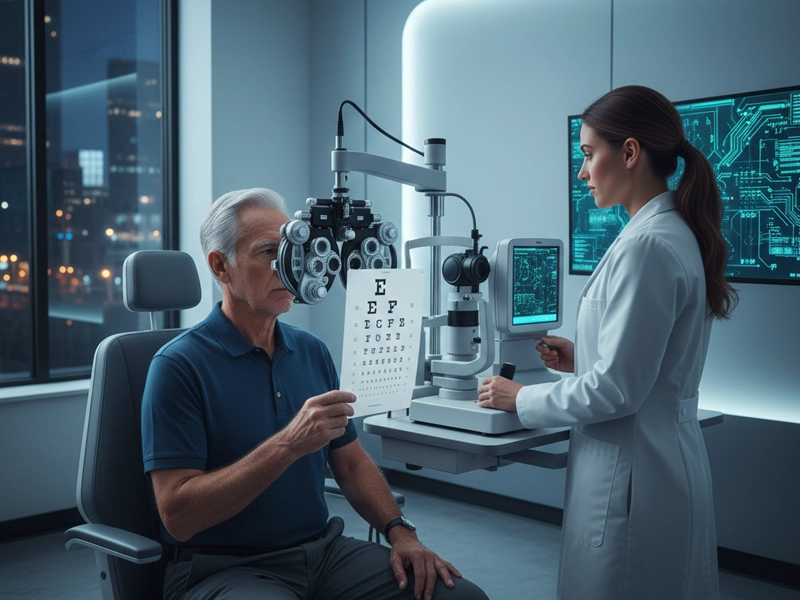
How Optometrists Choose Vision Therapy Instruments: Beyond Technical Specs
In modern visual health practice, vision therapy instruments are increasingly viewed as tools that support visual function management rather than isolated devices.
For optometrists, selecting an appropriate optometrist device goes far beyond comparing specifications such as power levels or frequency ranges. What truly matters is whether a device aligns with visual function principles, integrates smoothly into daily vision support routines, and delivers stable, repeatable experiences over time.
Details ⇀

Tuesday, 01/20/2026
Understanding the Different Roles of Eye Care Instruments in Optometry and Daily Care
As awareness of visual health continues to grow, the term eye care instruments appears more frequently in both professional and consumer discussions. However, many users remain unclear about how these devices differ when used in optometry settings versus daily eye care routines.
This article explains the distinct roles of eye care instruments and eye caring instruments across professional and everyday contexts, helping readers develop a clearer and more practical understanding of their purpose.
Details ⇀
Saturday, 01/17/2026
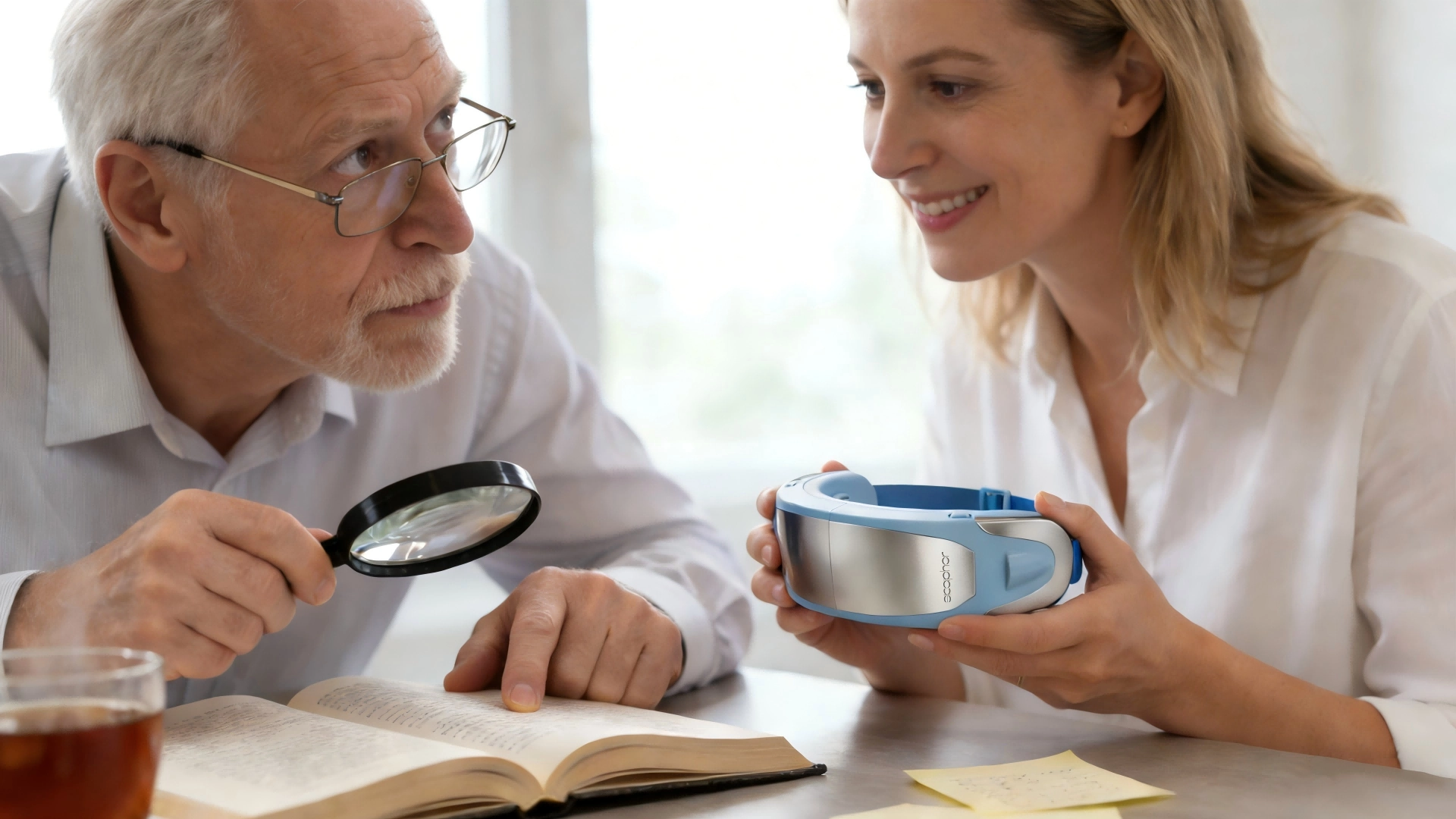
From Seeing Clearly to Seeing Comfortably How Modern Vision Health Standards Are Changing
For a long time, vision health was evaluated with a simple question:
“Can you see clearly?”
Visual acuity charts and refractive measurements became the primary indicators of eye health. However, in today’s screen-intensive environment, many people are discovering a gap between test results and real experience. Even with normal vision exams, eyes may still feel tired, uncomfortable, or unable to sustain long periods of use.
This shift in experience is driving a broader change in how vision health is assessed—moving beyond clarity toward visual comfort and visual endurance.
Details ⇀
Wednesday, 01/14/2026
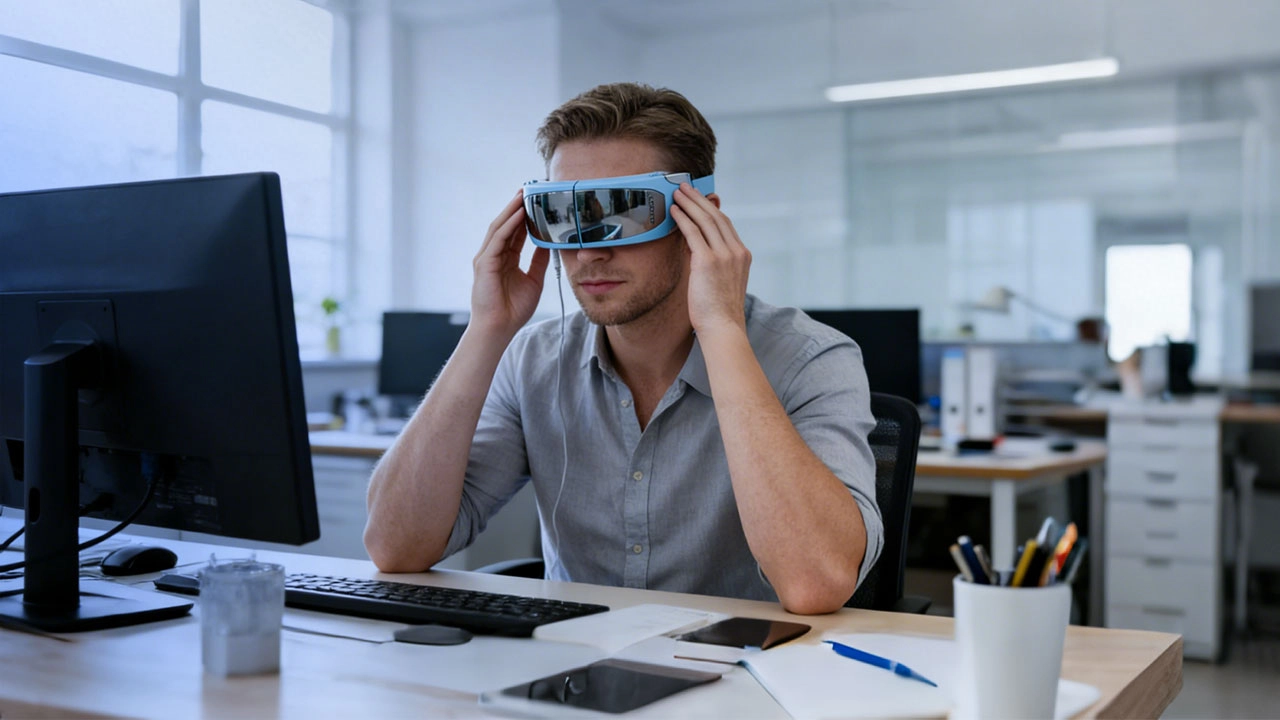
Eye Treatment Machine ≠ Medical Treatment Understanding the True Role and Boundaries of Modern Eye Care Devices
As eye care technology continues to evolve, the term eye treatment machine appears more frequently in consumer and professional discussions. At the same time, confusion has grown. Many users instinctively associate eye treatment machines with medical therapy and expect them to diagnose or treat eye diseases.
In reality, modern eye treatment machines are not the same as medical treatment tools. This article explains the functional boundaries of contemporary eye care devices and clarifies how non-medical eye treatment devices are intended to support daily visual wellness—without crossing into medical intervention.
Details ⇀
Friday, 01/9/2026
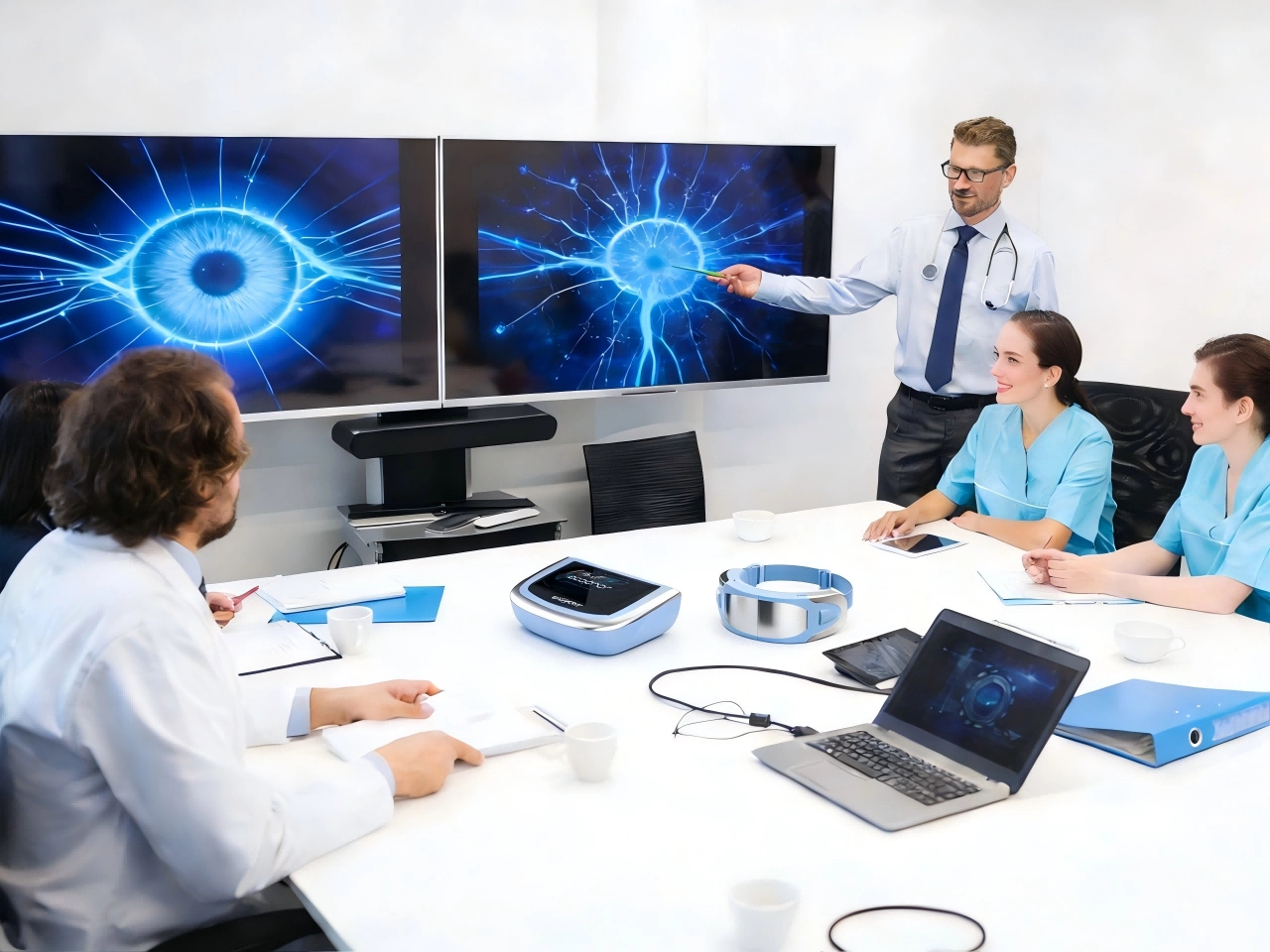
Why Are More Optometrists Focusing on Vision Training Devices—Not Just Eye Exams?
Traditionally, optometric practice has centered on examination, diagnosis, and correction. Eye exams, refraction, and structural assessments have long been the foundation of visual care. However, in recent years, a noticeable shift has emerged: more optometrists are paying attention to vision training devices, rather than relying solely on standard examinations.
This change reflects a deeper understanding of vision as a functional system. In this article, we explore why the role of the optometrist device is evolving, and how vision therapy instruments are becoming an important complement to conventional eye exams.
Details ⇀
Recommended for you
Seeing Clearly ≠ Seeing Comfortably: Why Visual Endurance Is Gaining Medical Attention
What Is Magnetic Electrode Design? A New Trend in Eye Care Devices
Are Eye Treatment Machines Suitable for Everyone?
Eye Care Instruments: Why Skin-Contact Materials Matter More Than Specs
Eye Caring Instrument Design: Three Details That Matter Most
-
Send us your inquiry
-
-
Interested in custom design, wholesale pricing, or partnership opportunities? Reach out to our team and we’ll get back to you within 24 hours.
-
Ruiheng Technology--Global Eye Protection Technology Innovator.
Contact Skaphor
Email: admin@skaphor.net
Address: Room 406, No. 101, Wanghu 1st Road, Baiyun District, Guangzhou, Guangdong Province, China.
© 2026 Skaphor. All Rights Reserved.
zhu Juliy
Skaphor_ Juliy