
Send My Projects Request
Can Visual Wellness Devices Be Used Preventively Before Symptoms Appear?
Wednesday, 12/24/2025
Most people consider eye care devices only after discomfort appears—when eyes already feel tired, dry, or strained. However, as visual demands continue to increase, a growing number of users are asking a different question: can visual wellness devices be used preventively, before noticeable symptoms develop?
This article explores the rationale behind preventive use from a visual physiology perspective. It explains how a visual wellness device may support long-term visual balance and why preventive eye care is becoming increasingly relevant in modern, screen-intensive environments.

1. Why Visual Discomfort Rarely Appears Suddenly
Common visual complaints such as fatigue, tightness, dryness, or reduced concentration usually develop gradually rather than overnight.
Long before symptoms become obvious, the visual system may already experience:
- Sustained neural workload
- Slower visual recovery
- Increased sensitivity to light or screen contrast
These early changes often go unnoticed, making discomfort feel sudden when it finally appears.
2. The Preventive Logic From a Visual Mechanism Perspective
Vision is an active, continuously operating neural process:
Light input → retinal processing → neural transmission → brain integration
When visual activity remains high over long periods, fatigue is typically the final outcome, not the first signal.
From this perspective, preventive eye care aims to support visual rhythm and balance before strain becomes noticeable, rather than responding only after discomfort develops.
3. What Types of Devices Are More Suitable for Preventive Use?
Not all eye care approaches are appropriate for use without symptoms.
A visual wellness device suited for preventive use generally features:
- Non-invasive interaction
- Gentle intensity
- Stable and predictable input
- No reliance on strong vibration or physical pressure
These characteristics emphasize support and regulation rather than symptom-driven intervention.
4. The Core Goal of Preventive Use: Reducing Neural Load
When used preventively, the objective is not to create an immediate sensation, but to:
- Help the visual system transition smoothly from high-load states
- Reduce cumulative neural excitation
- Maintain consistent visual tolerance over time
This is why preventive strategies focus more on rhythm and consistency than on instant effects.
5. The Preventive Approach Represented by Skaphor
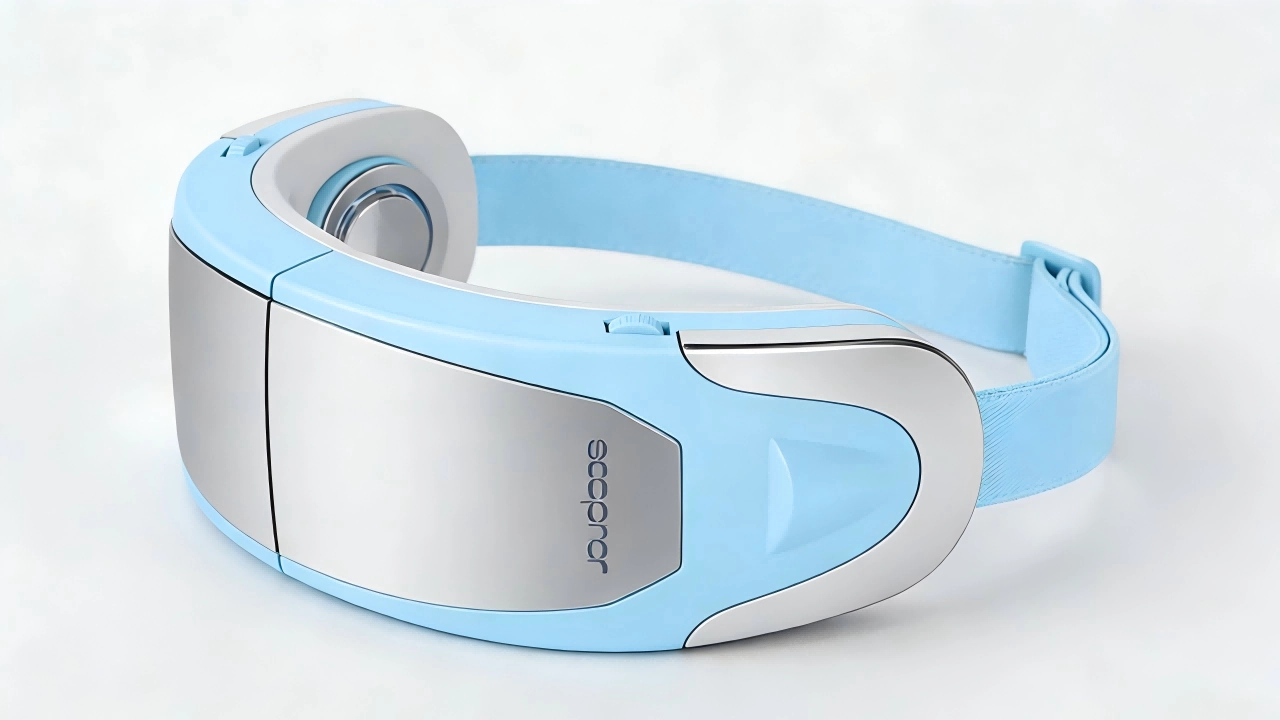
Light-based eye care devices, such as those represented by Skaphor, are designed around this preventive logic.
By delivering stable, controllable optical input, these visual wellness devices provide rhythm-friendly support in high-frequency visual environments—helping the visual system remain organized even before discomfort arises.
This approach aligns more closely with daily visual management than with reactive symptom relief.
6. Who May Benefit Most From Preventive Eye Care?
Preventive eye care is especially relevant for individuals who:
- Spend long hours on digital screens
- Work primarily under artificial lighting
- Perform visually intensive tasks
- Notice slower recovery after visual effort
For these users, addressing visual load earlier often allows for gentler and more sustainable adjustment.
7. Setting Realistic Expectations for Preventive Use
Preventive use does not imply:
- Immediate or dramatic sensations
- Noticeable effects after every session
Instead, it focuses on:
- Gradual stabilization of visual comfort
- Improved tolerance to daily visual demands
- Smoother visual recovery over time
When visual rhythm is better supported, discomfort becomes less likely to accumulate.
In modern visual environments, discomfort is often the result of long-term accumulation rather than sudden change.
Viewed through this lens, preventive eye care represents a proactive and physiology-aligned approach.
By integrating a suitable visual wellness device into daily routines, users may support visual balance before symptoms appear—creating more space for comfort and resilience in everyday vision.
Prdoucts Categories
Recommended for you
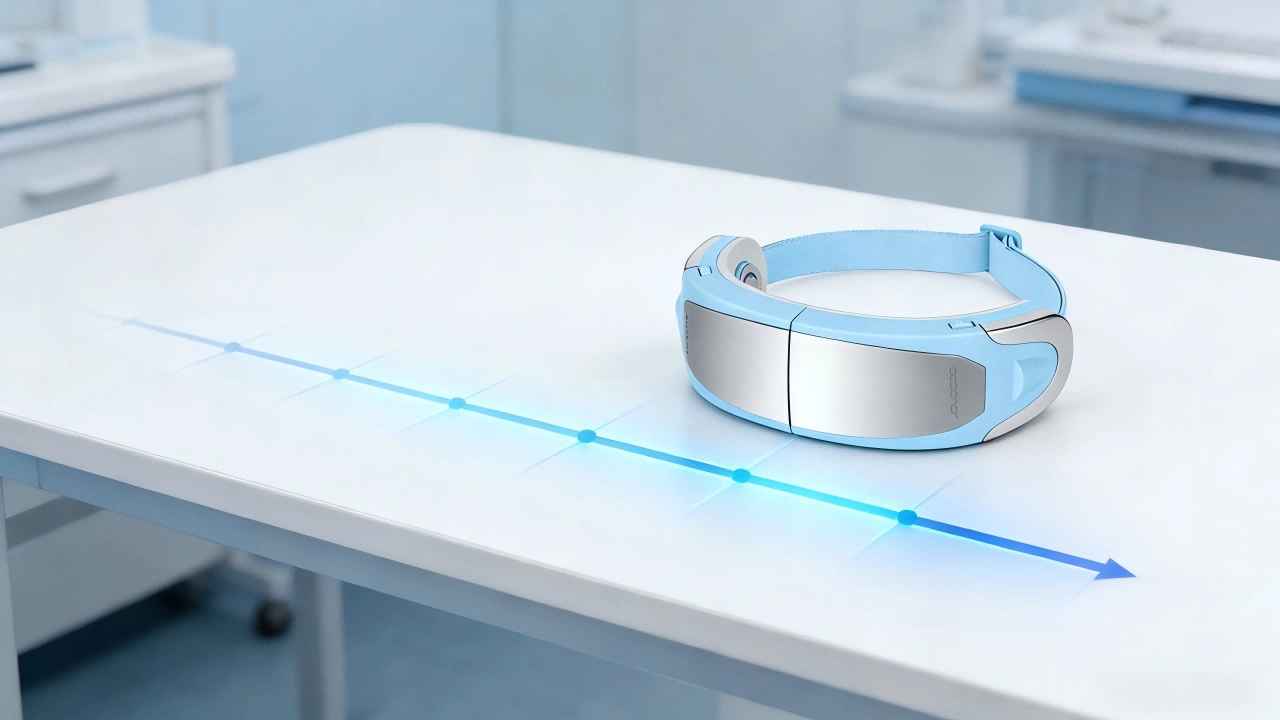
Seeing Clearly ≠ Seeing Comfortably: Why Visual Endurance Is Gaining Medical Attention
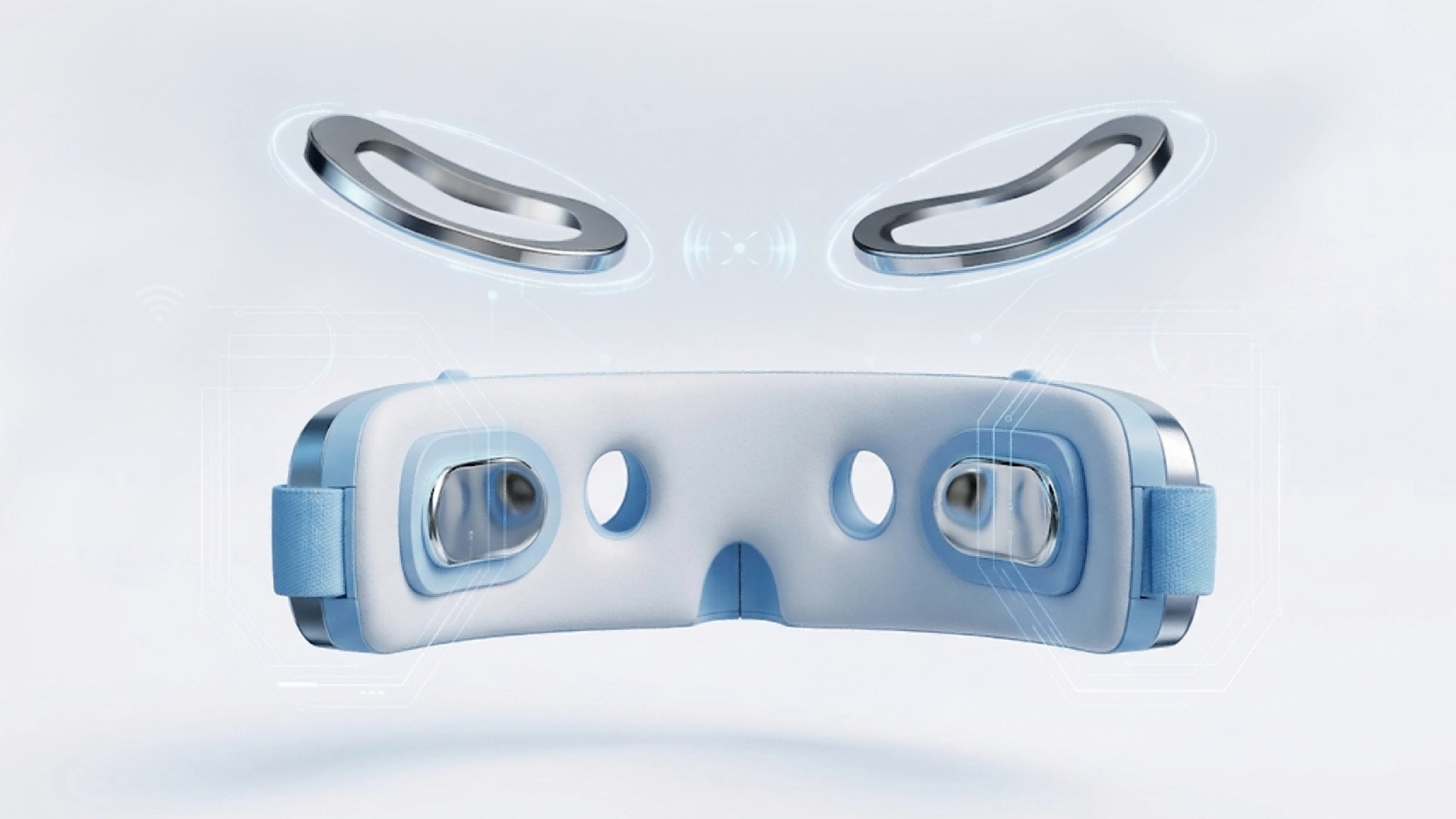
What Is Magnetic Electrode Design? A New Trend in Eye Care Devices
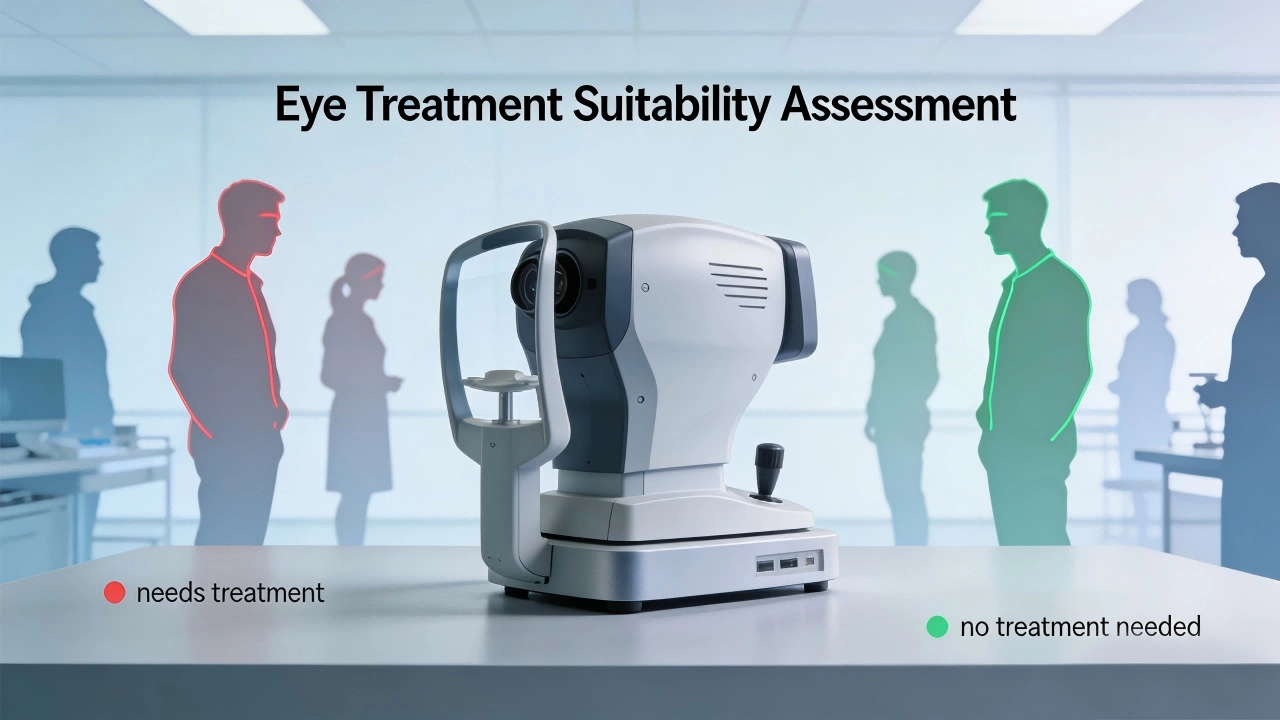
Are Eye Treatment Machines Suitable for Everyone?
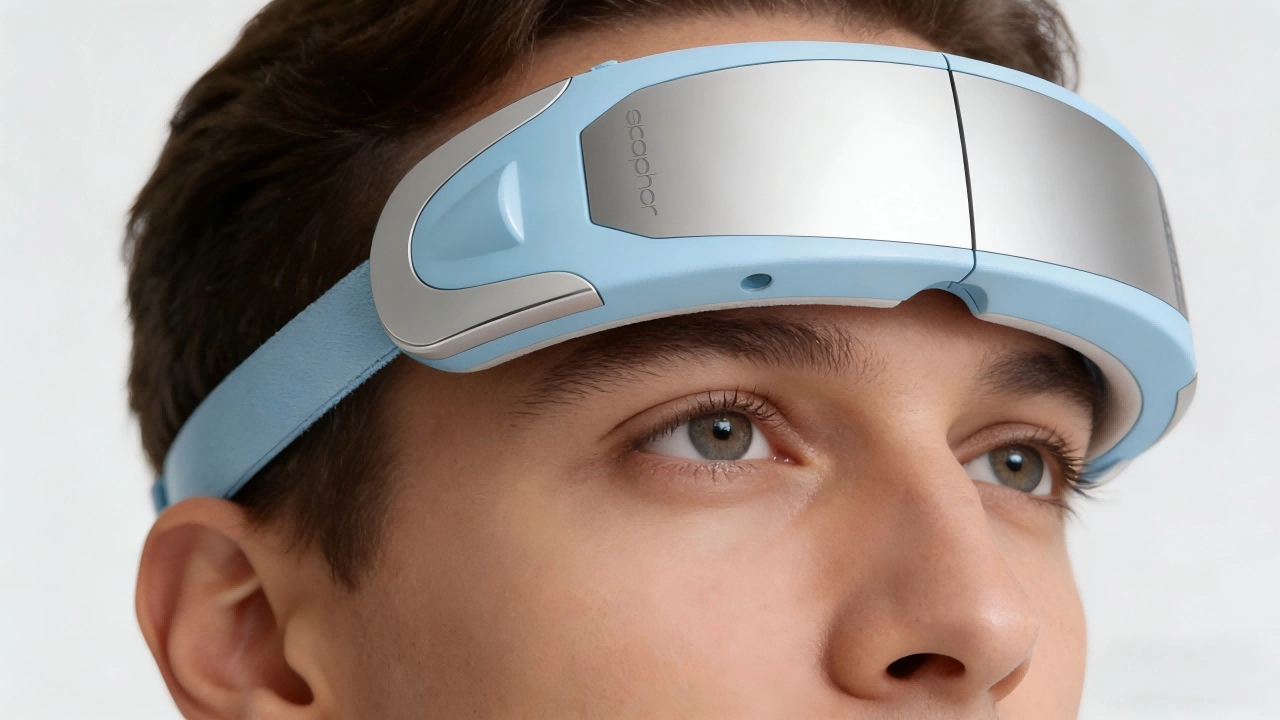
Eye Care Instruments: Why Skin-Contact Materials Matter More Than Specs
Eye Caring Instrument Design: Three Details That Matter Most
Prdoucts Categories
Prdoucts Categories
FAQ
Logistics and Customs Clearance
Does it support cross-border logistics?
We provide CIF service, and we have exported to Japan and Korea/EU/Middle East/Asia and other markets.
About Bulk Order
Do you accept L/C payment?
Support TT/LC/AliPay/PayPal/Western Union, 30% deposit is required for the first order.
Customized Service (For OEM/ODM)
How long does it take to customize?
60 days for standard customization (including mold development + prototype confirmation); expedited solutions need to be evaluated.
Technical Verification
How to ensure safety?
Built-in current/temperature triple protection system, passed GB9706.1-2020 medical electrical safety standards.
About Company
Can you provide me with the company's qualifications and patent certificates?
We can provide business license, Class II Medical Device Manufacturing Record Certificate, and a list of patents (in English and Chinese).
-
Contact Us for More Details
-
-
For custom designs, competitive pricing, or strategic partnerships, reach out to us. We'll get back to you promptly—usually within 24 hours.
-
Ruiheng Technology--Global Eye Protection Technology Innovator.
Contact Skaphor
Email: admin@skaphor.net
Address: Room 406, No. 101, Wanghu 1st Road, Baiyun District, Guangzhou, Guangdong Province, China.
© 2026 Skaphor. All Rights Reserved.
zhu Juliy
Skaphor_ Juliy