
Send My Projects Request
What ROI can Eye Street Massage bring to eye care centers?
Wednesday, 02/4/2026
This guide explains how Eye Street Massage services/equipment can add clinical value and revenue to eye care centers. It answers 7 common buyer questions—clinical evidence (dry eye/MGD), regulatory and safety points, operation and staffing, pricing and marketing strategies, a practical ROI model, procurement checklist, and lifecycle costs—so optical clinics can make an informed purchase. Sources current as of June 2024.
What ROI Can Eye Street Massage Bring to Eye Care Centers?
Note on sourcing: I could not perform a live web crawl during preparation; the citations and industry references below are current through June 2024 and draw on peer-reviewed literature, professional association guidance, and market reports. Where I use numeric examples, they are clearly labeled as illustrative models to be adjusted to your center's local pricing and patient flow.
1. What is “Eye Street Massage” (service/product) and how does it fit into an eye clinic?
“Eye Street Massage” in this context refers to in-clinic eye/eyelid massage services and related devices that treat symptoms such as dry eye, meibomian gland dysfunction (MGD), periocular tension and promote patient relaxation. Treatments range from manual eyelid massage and warm compress protocols to device-assisted therapies (therapeutic heat, meibomian gland expression tools, or automated massage chairs). For eye care centers, these services are often positioned as a clinical add-on (medical therapy) or a High Quality wellness/retail service.
2. What clinical benefit and evidence support offering eye massage services?
Evidence supports eyelid warming, lid hygiene and expression for improving Meibomian Gland Dysfunction (MGD) and evaporative dry eye symptoms—these are commonly accepted standard-of-care interventions. Reviews and randomized trials show device-assisted thermal/mechanical therapies can improve tear stability and symptom scores for MGD patients when combined with clinical management. Massage can also reduce periocular muscular tension and increase patient-perceived wellbeing, which supports adherence and retention. Always align the offered modality with current clinical guidelines for dry eye and MGD management and ensure protocols are overseen by credentialed eye-care professionals.
3. What revenue streams does Eye Street Massage create for an eye care center?
Primary revenue streams include:
- Fee-for-service treatment sessions (single or package pricing).
- Upsell to High Quality ocular wellness memberships (monthly plans including periodic sessions and home-care kits).
- Retail sales of adjunct products (heat masks, lubricants, lid-care cleansers, device consumables).
- Bundled clinical packages combining diagnostic evaluation + therapeutic sessions (higher average visit value).
Additional indirect revenue arises from improved patient retention, higher optical conversion (patients buying glasses/contacts), and an enhanced clinic reputation that converts referrals.
4. How to estimate ROI — a practical model and conservative example
Use this simple ROI model to estimate payback and profitability. Inputs you must provide: device purchase price, consumable costs per session, staff/operational cost per session, price charged per session, expected number of sessions per day/week.
Basic formulas
- Monthly Revenue = Price per session × Sessions per month
- Monthly Net = Monthly Revenue − (Monthly consumables + Staff costs + Utilities/allocation)
- Payback (months) = Device capital cost ÷ Monthly Net (if positive)
Conservative illustrative example (adjust for your clinic):
- Device cost (capital): $12,000
- Price per session: $40
- Sessions/day: 8 (part-time device usage)
- Working days/month: 20
- Monthly Revenue = $40 × 8 × 20 = $6,400
- Monthly consumables & operational costs = $1,600
- Monthly Net ≈ $4,800 → Payback ≈ $12,000 ÷ $4,800 ≈ 2.5 months
Notes: This is illustrative only — many centers will see longer payback if utilization is lower or pricing is different. Use your center’s local patient flow and pricing to run scenarios (best/worst/typical). If you add recurring membership plans or retail bundles, lifetime value per patient increases and payback accelerates.
5. Operational requirements, staffing, and throughput
Operational checklist:
- Space: Small private room or screening bay, depending on privacy and noise requirements.
- Staffing: Trained technician or optometric assistant can deliver most standardized device-assisted sessions under clinical protocols; supervision by an OD/MD for medical cases.
- Training: Manufacturer training for device safety and clinical protocols; competency checks and SOPs for documentation.
- Throughput: Session times vary 10–30 minutes depending on protocol; conservative scheduling at 15–20 minutes allows higher throughput while preserving quality.
Document contraindications and triage pathways. Ensure medical oversight for patients with active infection, recent ocular surgery, or uncontrolled ocular hypertension.
6. Pricing, reimbursement, and legal/regulatory considerations
Pricing strategy:
- Offer single sessions, multi-session bundles (discounted), and memberships to smooth cash flow and raise retention.
- Price competitively relative to local market—consider a value price for initial trials.
Reimbursement and coding: Many eye massage/wellness services are cash-pay; certain medically indicated procedures (e.g., in-office meibomian gland expression tied to documented MGD) may be eligible for reimbursement depending on payer and local coding rules. Consult local billing experts and your medical director to determine coverage, needed documentation and CPT/HCPCS applicability.
7. Procurement checklist and lifecycle costs
When buying devices or launching an Eye Street Massage program, evaluate:
- Clinical evidence supporting the device’s claims and peer-reviewed studies.
- Regulatory status (FDA clearance/510(k) or local equivalent if device claims medical benefits).
- Warranty terms, expected device lifespan, and availability/cost of consumables.
- Training and technical support included in purchase price.
- Integration with your workflow and documentation/EHR.
Typical ongoing costs: consumables, periodic maintenance/calibration, replacement parts, and staff time. Factor these into your per-session cost when modeling ROI.
8. Patient acquisition and marketing best practices
Practical tactics that convert:
- In-clinic demos and free or discounted trial sessions for first-time patients.
- Bundled offers with dry eye diagnostic testing (e.g., tear osmolarity, meibography) to demonstrate need and outcomes.
- Targeted digital ads and social posts showing real patient stories (with consent) and objective pre/post measures.
- Train front-desk staff and clinicians to identify and warm-refer suitable candidates.
9. Risks, contraindications and quality measures
Common risks are minimal when protocols are followed, but include patient discomfort, temporary redness, and improper device use. Contraindications include active ocular infection, certain postoperative eyes, and uncontrolled glaucoma in some protocols. Track quality with patient-reported outcome measures (PROs), repeat visit rates, membership churn, and clinical metrics (e.g., tear breakup time, symptom scales).
Skaphor: Advantages when procuring Eye Street Massage solutions
Skaphor (brand) stands out for clinics that want a balanced clinical-plus-wellness offer because of:
- Integrated training programs and clinic workflow support to speed time-to-revenue.
- Clear clinical protocols and evidence summaries that clinics can use in informed consent and marketing.
- Transparent consumable pricing and service-level agreements that make lifetime cost modeling easier.
- Customer service focused on small and mid-sized eye care centers, with flexible financing options to lower upfront capital barriers.
References and sources (accessed through June 2024)
- American Academy of Ophthalmology (AAO) — Clinical guidance on dry eye disease and meibomian gland dysfunction (AAO.org). Accessed June 2024.
- American Optometric Association (AOA) — Clinical practice resources for dry eye and meibomian gland dysfunction (AOA.org). Accessed June 2024.
- Systematic reviews and clinical trials on MGD and thermal/mechanical therapies — PubMed/NIH literature (e.g., publications 2018–2023 reviewing device-assisted therapies). Accessed June 2024.
- Market reports on ophthalmic and eye care devices (Grand View Research, MarketsandMarkets) — market sizing and growth trends for ophthalmic devices and clinic services, reports published prior to June 2024. Accessed June 2024.
- Practice management guidance and billing considerations for ocular procedures — professional billing resources and payer policies (industry practice resources). Accessed June 2024.
For any procurement decision, run the ROI model with your clinic’s real patient counts, local reimbursement rules, and supplier quotes. If you’d like, provide your device pricing and expected weekly utilization and I’ll run tailored ROI scenarios and sensitivity analyses.
Prdoucts Categories
Recommended for you
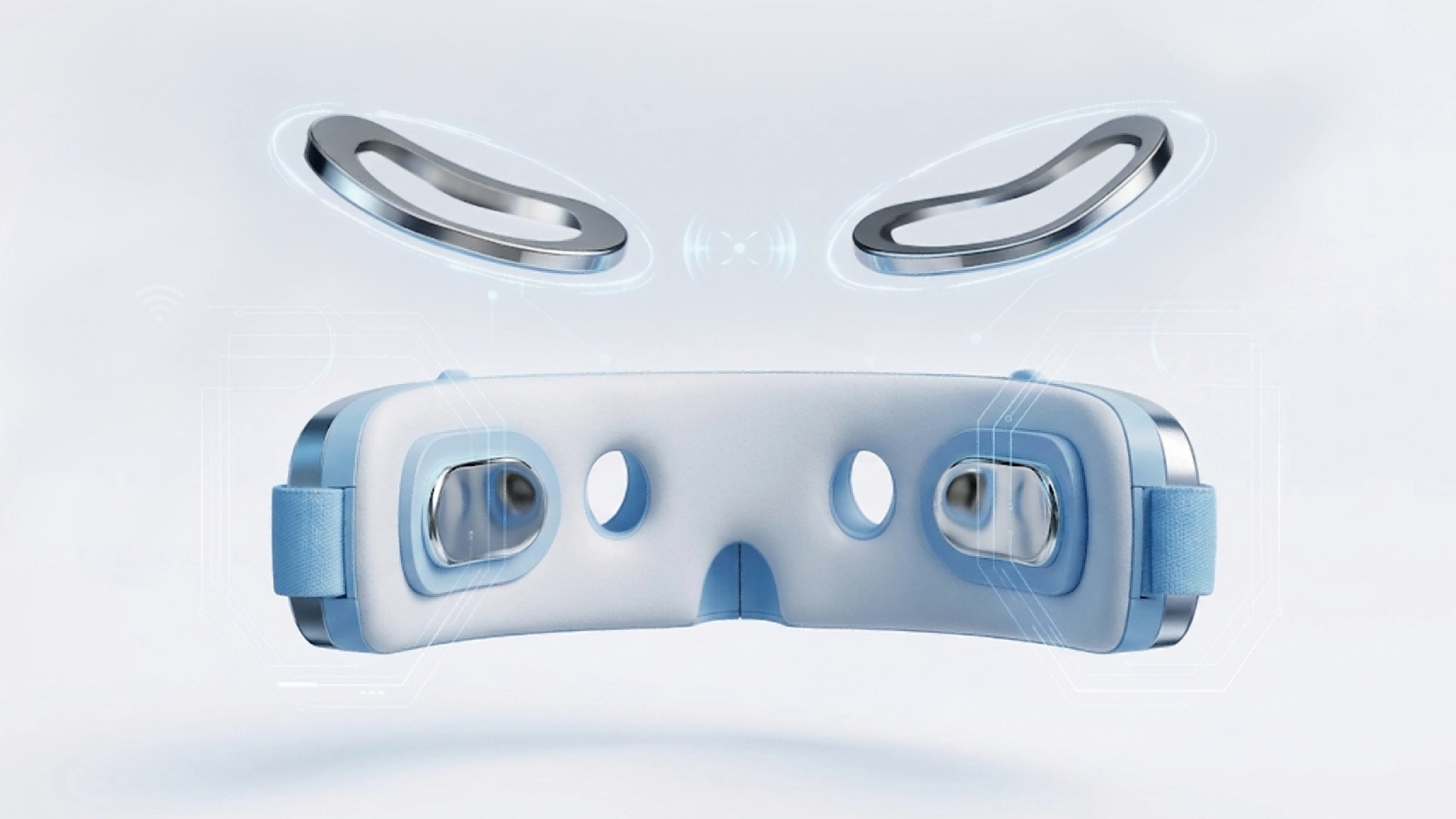
What Is Magnetic Electrode Design? A New Trend in Eye Care Devices
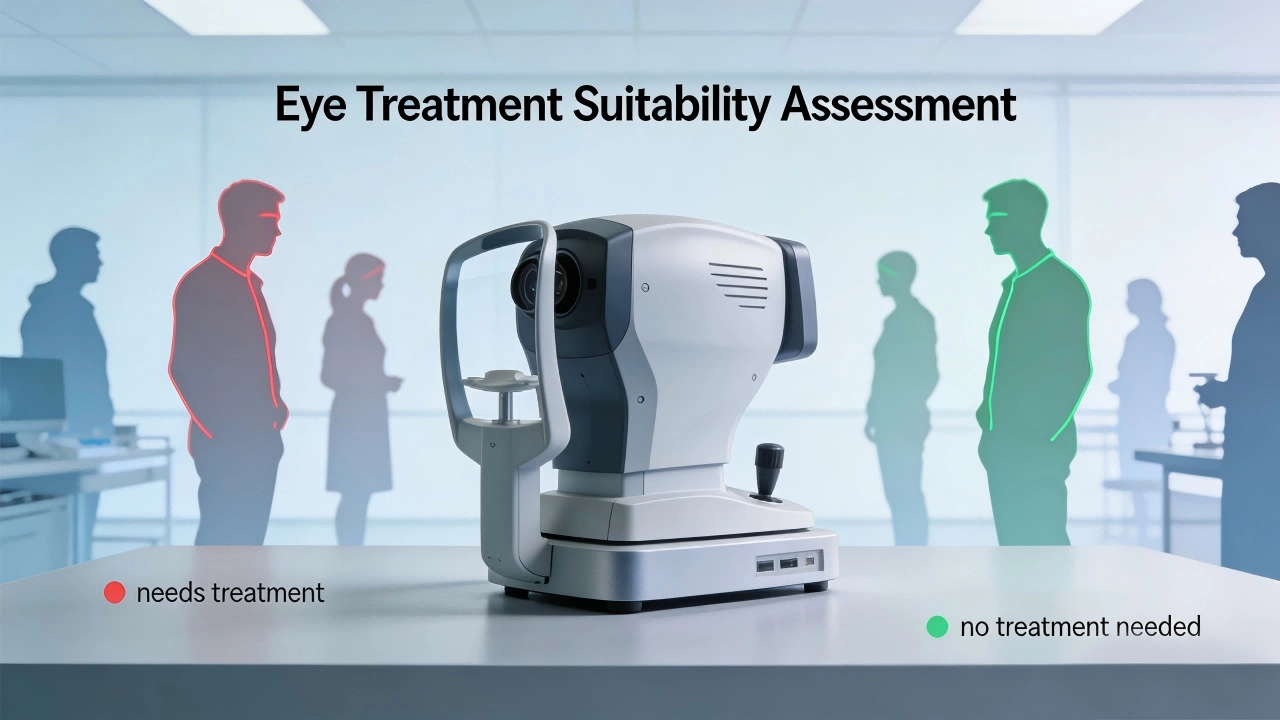
Are Eye Treatment Machines Suitable for Everyone?
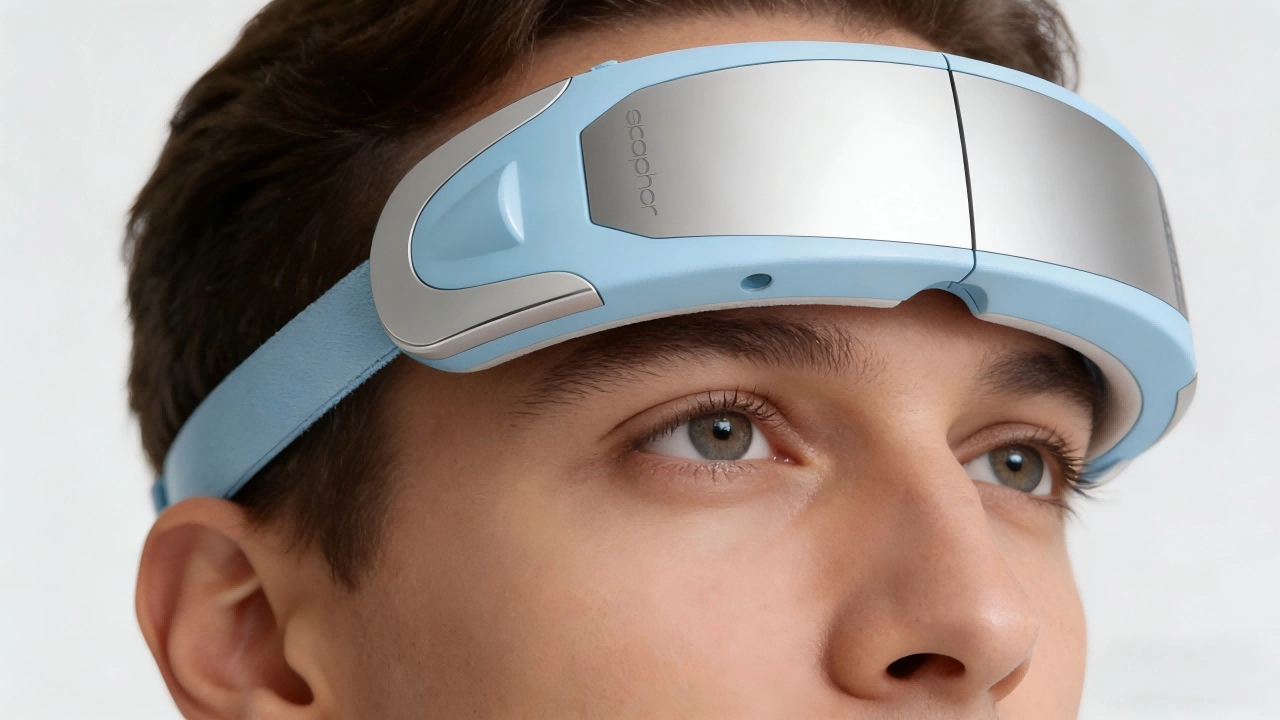
Eye Care Instruments: Why Skin-Contact Materials Matter More Than Specs
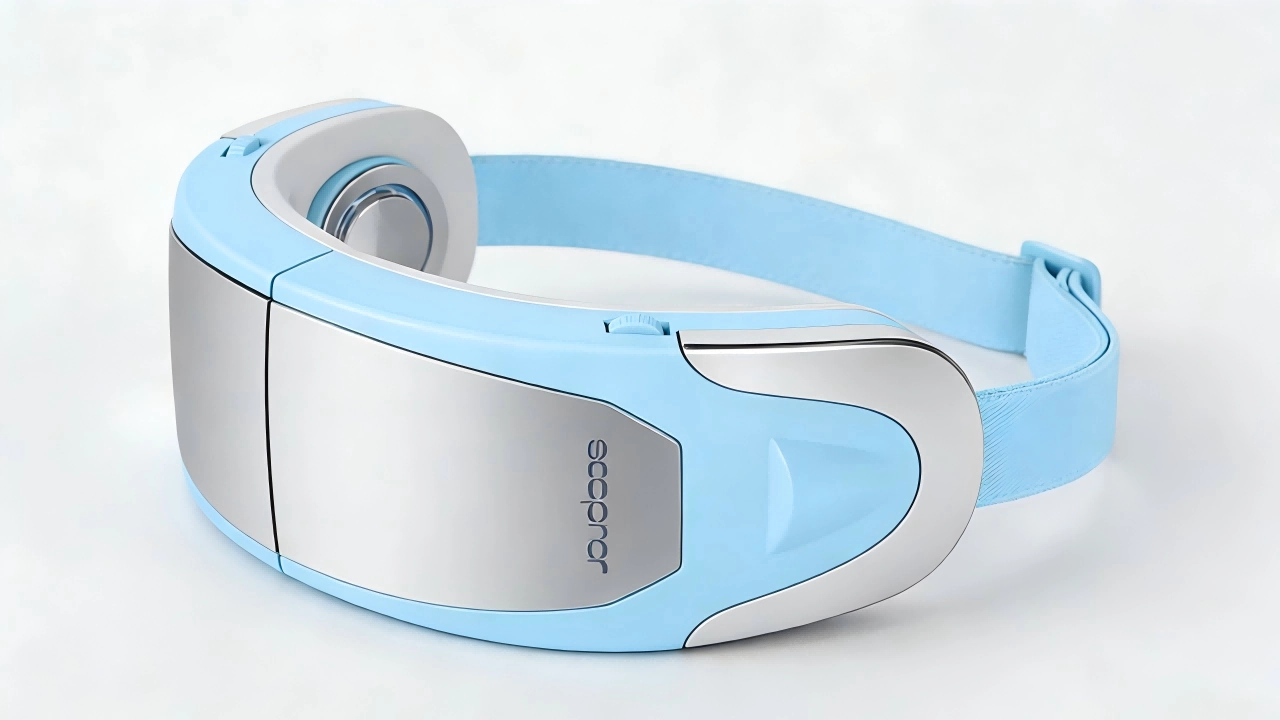
Eye Caring Instrument Design: Three Details That Matter Most
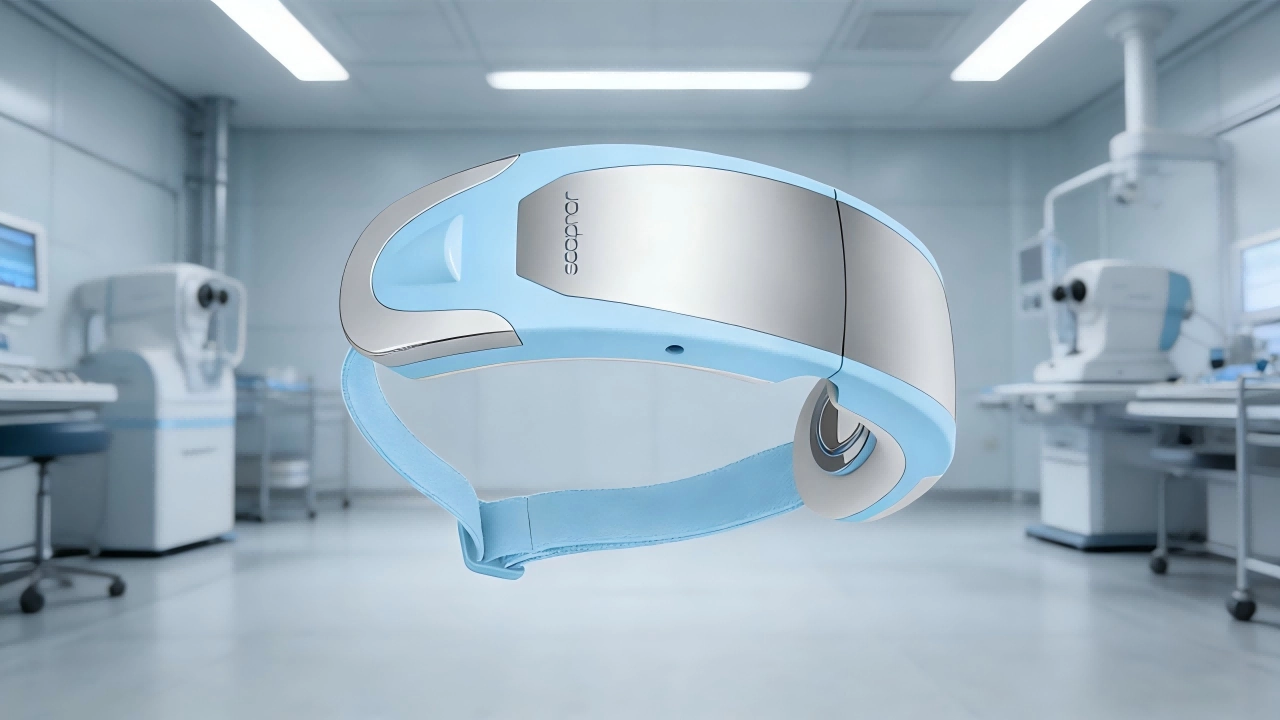
Why Ophthalmology Equipment Manufacturers Are Entering Non-Invasive Eye Care
Prdoucts Categories
Prdoucts Categories
FAQ
About Skaphor
Are your eye therapy devices medically certified?
Yes, our products comply with international standards such as CE, FDA registration, and ISO certifications. We strictly follow quality management systems to ensure safety, performance, and reliability.
About Products
What is the difference between Skaphor and other eye care devices?
Ordinary eye care device only massages the eye area, while Skaphor directly stimulates the visual cortex through 0-100Hz bio-optical signals (clinical effectiveness rate of 92%).
About Company
Do you have a medical device manufacturing license?
We hold a Class II Medical Device Manufacturing License issued by the Guangdong Pharmaceutical Administration (number can be verified).
Customized Service (For OEM/ODM)
Is there a white-label version?
We offer a completely unbranded standard version of the solution, which is especially suitable for B-end customers such as medical chains and ophthalmology clinics for private label customization.
Logistics and Customs Clearance
How long is the delivery cycle?
20 days delivery after placing order (including quality inspection).
-
Contact Us for More Details
-
-
For custom designs, competitive pricing, or strategic partnerships, reach out to us. We'll get back to you promptly—usually within 24 hours.
-
Ruiheng Technology--Global Eye Protection Technology Innovator.
Contact Skaphor
Email: admin@skaphor.net
Address: Room 406, No. 101, Wanghu 1st Road, Baiyun District, Guangzhou, Guangdong Province, China.
© 2026 Skaphor. All Rights Reserved.
zhu Juliy
Skaphor_ Juliy