
Send My Projects Request
How Optometrists Choose Vision Therapy Instruments: Beyond Technical Specs
Friday, 01/23/2026
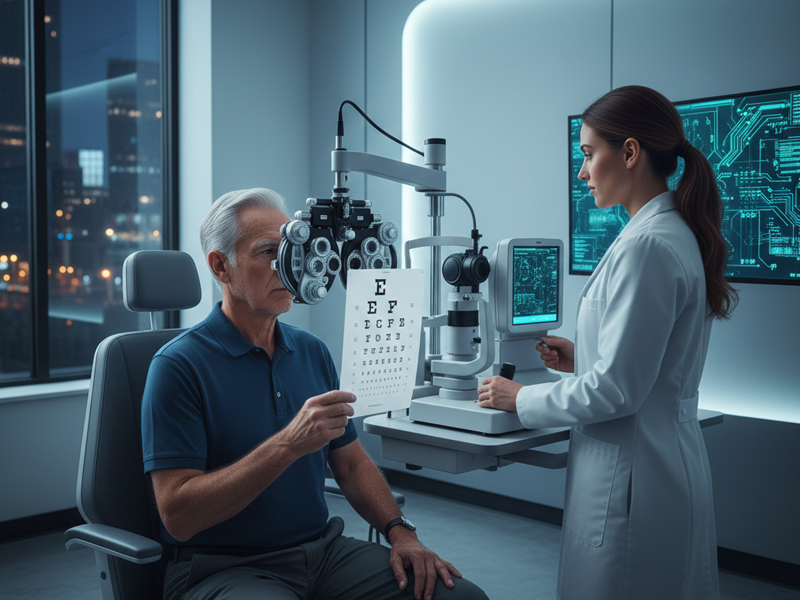
In modern visual health practice, vision therapy instruments are increasingly viewed as tools that support visual function management rather than isolated devices.
For optometrists, selecting an appropriate optometrist device goes far beyond comparing specifications such as power levels or frequency ranges. What truly matters is whether a device aligns with visual function principles, integrates smoothly into daily vision support routines, and delivers stable, repeatable experiences over time.
1. Technical Specifications Are Only the Starting Point
When evaluating vision therapy instruments, technical parameters are often the first reference point. These may include:
- Adjustable output intensity
- Frequency ranges
- Session duration settings
While necessary, these parameters serve mainly as baseline qualifications. They rarely determine whether a device will be effective or practical in real-world optometric use.
2. Functional Compatibility Matters More Than Complexity
In clinical and support-oriented environments, optometrists prioritize how well a device adapts to different visual conditions.
Key considerations include:
- Flexibility across varying visual states
- Compatibility with multiple vision support scenarios
- Logical and intuitive usage flow
In practice, a device that is easy to understand and apply often delivers more consistent value than one with excessive technical complexity.
3. Stability and Repeatability Are Critical
For vision therapy instruments, stability is frequently underestimated.
Optometrists rely on tools that provide:
- Predictable output behavior
- Consistent user experience across sessions
- Controlled responses without introducing additional visual load
A reliable optometrist device must support repeatable use patterns to ensure visual support remains manageable and effective.
4. From Device Features to User Experience
Evaluation criteria are shifting from what a device can do to how it is used.
Optometrists increasingly assess:
- Clarity of operation steps
- Ease of adjustment
- Suitability for users at different stages of visual support
This shift highlights the importance of thoughtful usage design over raw technical capability.
5. Why One Instrument Does Not Fit All Scenarios
Not all vision therapy instruments serve the same purpose.
Some devices are better suited for assessment support, while others focus on daily visual stability and comfort. When a device’s role does not match its intended environment, even advanced specifications may fail to deliver meaningful results.
6. The Skaphor Perspective on Vision Therapy Instruments
From Skaphor’s perspective, the role of vision therapy instruments is not to replace professional judgment, but to support the visual system’s stability and endurance in everyday environments.
This approach emphasizes:
- Clear and user-friendly operation
- Adjustable yet restrained parameter design
- Comfort-focused, repeatable usage suitable for long-term routines
Such characteristics position Skaphor-aligned devices as visual support–oriented optometrist devices, rather than narrowly defined technical tools.
For optometrists, selecting vision therapy instruments is no longer a matter of comparing specifications alone.
The most effective devices are those that integrate seamlessly into visual support workflows, maintain stability over time, and prioritize functional usability. As vision care continues to evolve, so too does the way professionals evaluate the tools that support it.
Prdoucts Categories
Recommended for you
What Is Magnetic Electrode Design? A New Trend in Eye Care Devices
Are Eye Treatment Machines Suitable for Everyone?
Eye Care Instruments: Why Skin-Contact Materials Matter More Than Specs
Eye Caring Instrument Design: Three Details That Matter Most
Why Ophthalmology Equipment Manufacturers Are Entering Non-Invasive Eye Care
Prdoucts Categories
Prdoucts Categories
FAQ
About Skaphor
Are your eye therapy devices medically certified?
Yes, our products comply with international standards such as CE, FDA registration, and ISO certifications. We strictly follow quality management systems to ensure safety, performance, and reliability.
About Company
Do you have a medical device manufacturing license?
We hold a Class II Medical Device Manufacturing License issued by the Guangdong Pharmaceutical Administration (number can be verified).
Do you have any overseas market access certificates?
We have obtained CE (MDD), FCC, ROHS, and EMC certificates and can assist in target market registration.
About Products
Can children/pregnant women use it?
Children over 6 years old can use it. Pregnant women are advised to consult a physician.
Marketing Support
Can I be authorized to use medical endorsement?
Signed distributors can use the “Zhongshan Ophthalmic Center Technical Cooperation Unit” logo (subject to audit).
-
Contact Us for More Details
-
-
For custom designs, competitive pricing, or strategic partnerships, reach out to us. We'll get back to you promptly—usually within 24 hours.
-
Ruiheng Technology--Global Eye Protection Technology Innovator.
Contact Skaphor
Email: admin@skaphor.net
Address: Room 406, No. 101, Wanghu 1st Road, Baiyun District, Guangzhou, Guangdong Province, China.
© 2026 Skaphor. All Rights Reserved.
zhu Juliy
Skaphor_ Juliy