
Send My Projects Request
Why Vision Feels Worse in Winter: Light, Environment, and Neural Load
Monday, 12/22/2025
Many people notice the same pattern every winter: even without spending more time on screens, their eyes feel more tired, tight, dry, or uncomfortable. This change is often attributed to cold weather or dry air, but from a visual science perspective, winter eye discomfort is closely linked to changes in light exposure, indoor environments, and neural load.
In this article, we explore winter eye care from a physiological angle, explaining how seasonal light conditions and visual environments affect light exposure vision, and why visual fatigue tends to feel worse during winter months.

1. Reduced Natural Light: The First Challenge for the Visual System
Compared with summer, winter brings significant changes in natural lighting:
- Shorter daylight hours
- Lower overall light intensity
- More overcast and low-contrast conditions
The visual system relies on natural light patterns to maintain daily rhythm and balance. When daylight is reduced, visual processing must operate under weaker and less stable lighting conditions, increasing neural effort to maintain clarity.
2. Indoor Lighting Becomes Dominant
During winter, people spend more time indoors, where visual input comes mainly from artificial lighting and screens:
- LED lighting with concentrated spectral output
- High contrast between screens and surrounding light
- Limited variation in light direction and intensity
From a light exposure vision perspective, this mismatch between artificial light and natural visual expectations can increase sustained visual load, placing extra demand on neural processing.
3. Environmental Factors Add to the Burden—but Are Not the Whole Story
Winter environments often include:
- Dry air from heating systems
- Noticeable temperature differences between indoors and outdoors
- Reduced blink rate during focused tasks
While these factors affect surface comfort, they do not fully explain why many people feel eye fatigue even when dryness is mild. This suggests that winter eye discomfort often goes beyond the eye surface.
4. The Key Change: Higher Neural Load in Winter
Vision is an active neural process:
Light input → retinal processing → neural transmission → brain integration
In winter, lower ambient light, stronger contrast, and increased screen reliance mean that the visual system must work harder to achieve the same results. Neural activity remains elevated for longer periods, slowing recovery and increasing sensitivity to fatigue.
This explains why eyes may feel more strained in winter, even without obvious changes in usage time.
5. Why Rest Alone Is Often Less Effective in Winter
Rest is still important, but its effect may be limited if the visual environment remains unchanged.
When recovery occurs under conditions of:
- Poor or uneven lighting
- High screen contrast
- Lack of rhythmic visual input
Visual fatigue can return quickly once visual tasks resume.
6. A More Balanced Approach to Winter Eye Care
Modern winter eye care increasingly focuses on supporting visual rhythm and managing neural load, rather than only addressing surface symptoms.
A more effective winter strategy often includes:
- Optimizing indoor lighting to reduce contrast
- Limiting prolonged, uninterrupted screen exposure
- Providing stable, predictable optical input for the visual system
Light-based eye care approaches, such as those represented by Skaphor, are designed around this principle—using stable optical rhythms to support visual comfort in complex winter lighting environments.
7. Signs Your Winter Eye Fatigue Is Environment-Related
You may be experiencing environment-driven winter eye fatigue if you notice:
- Eyes tire faster indoors than outdoors
- Discomfort increases in the evening
- Rest helps briefly, but fatigue returns quickly
- Increased sensitivity to light changes
These signals highlight the importance of managing visual environments as part of winter eye care.
Winter eye fatigue is not random. It reflects the combined effects of reduced natural light, indoor living, and increased neural load. Understanding how light exposure vision interacts with visual processing helps explain why winter eye care requires more than rest alone.
By creating rhythm-friendly visual environments and supporting neural balance, eyes are better able to maintain comfort and resilience throughout the winter season.
Prdoucts Categories
Recommended for you
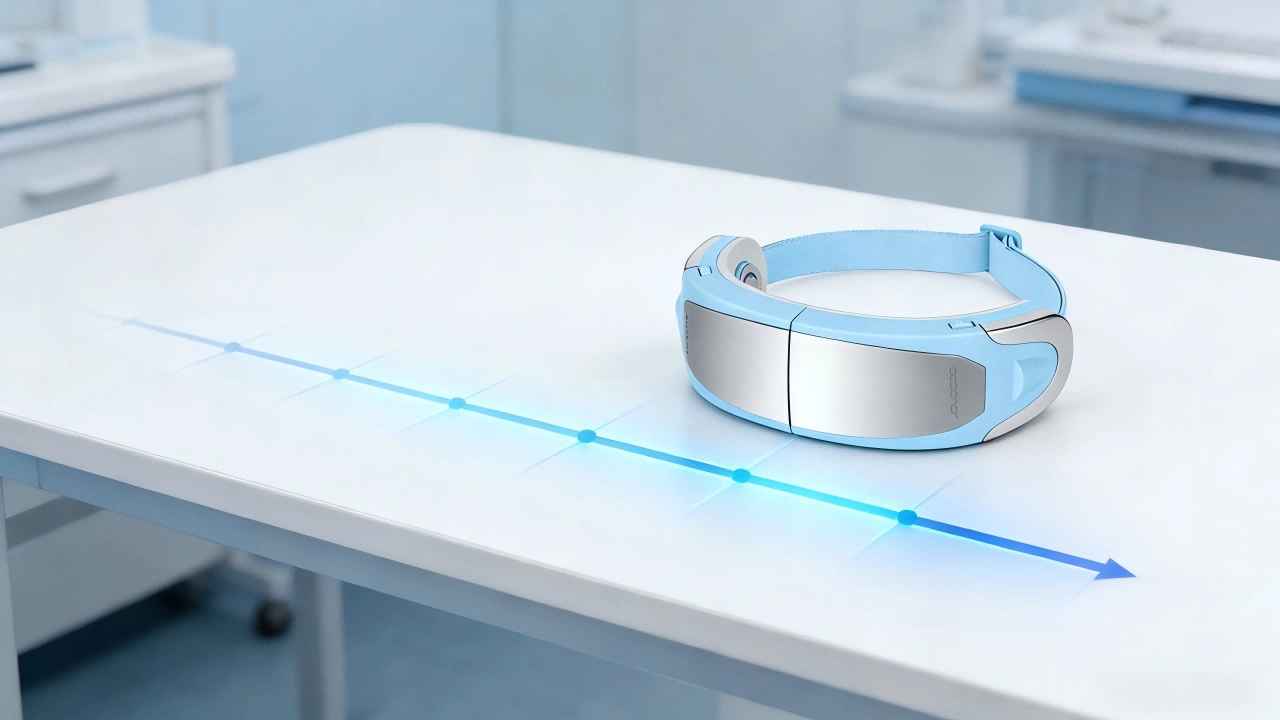
Seeing Clearly ≠ Seeing Comfortably: Why Visual Endurance Is Gaining Medical Attention
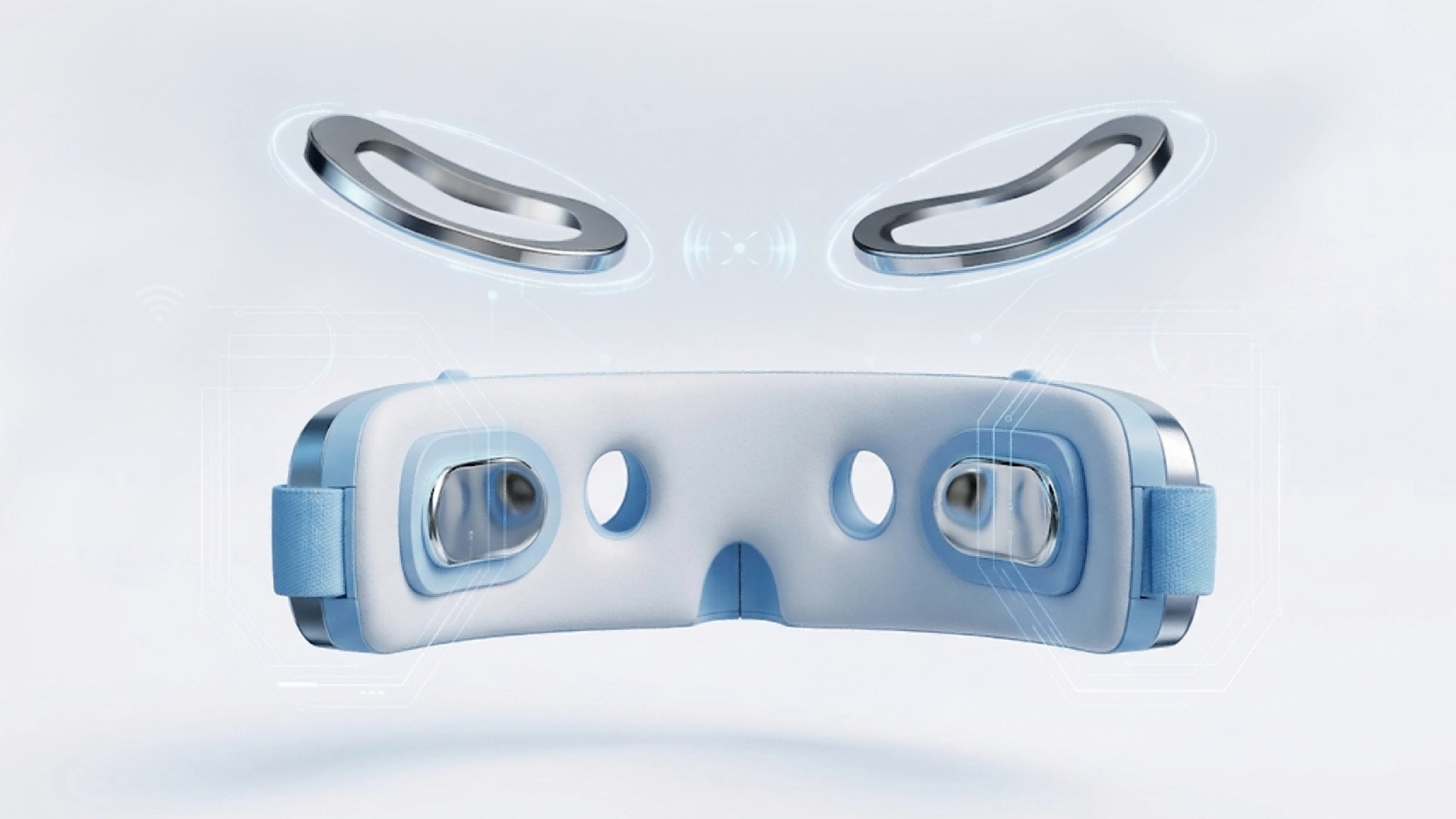
What Is Magnetic Electrode Design? A New Trend in Eye Care Devices
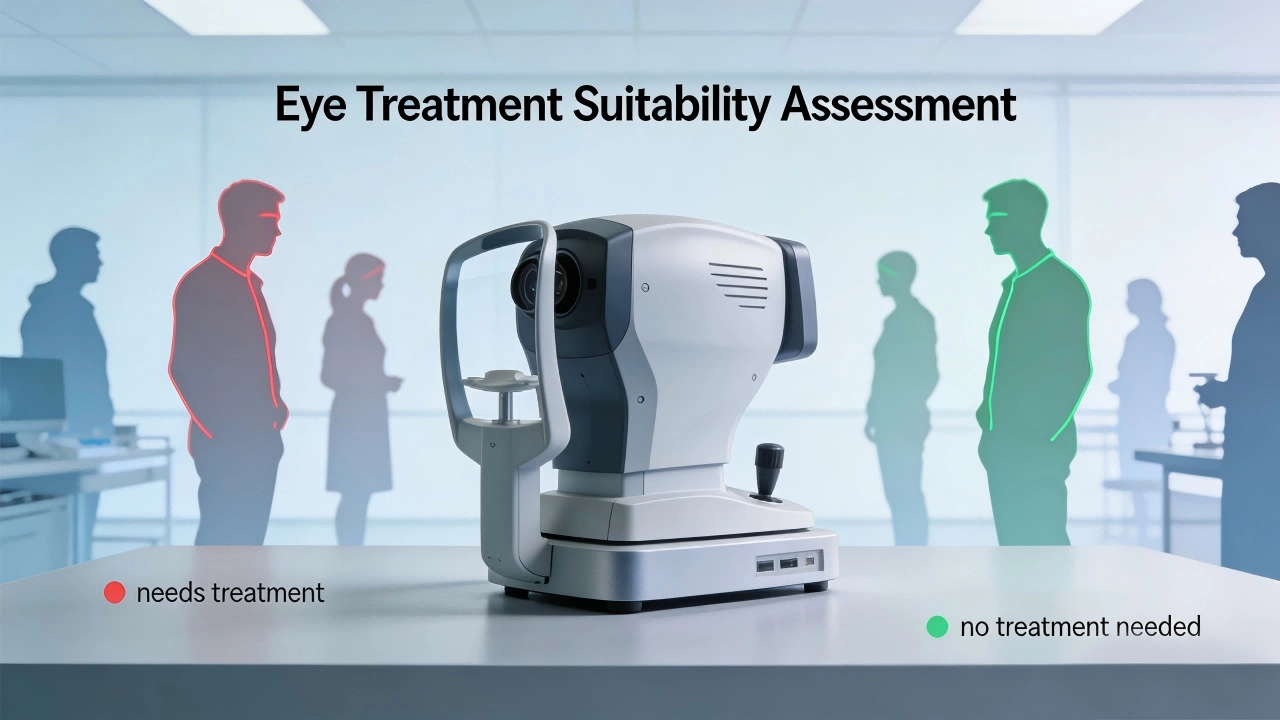
Are Eye Treatment Machines Suitable for Everyone?
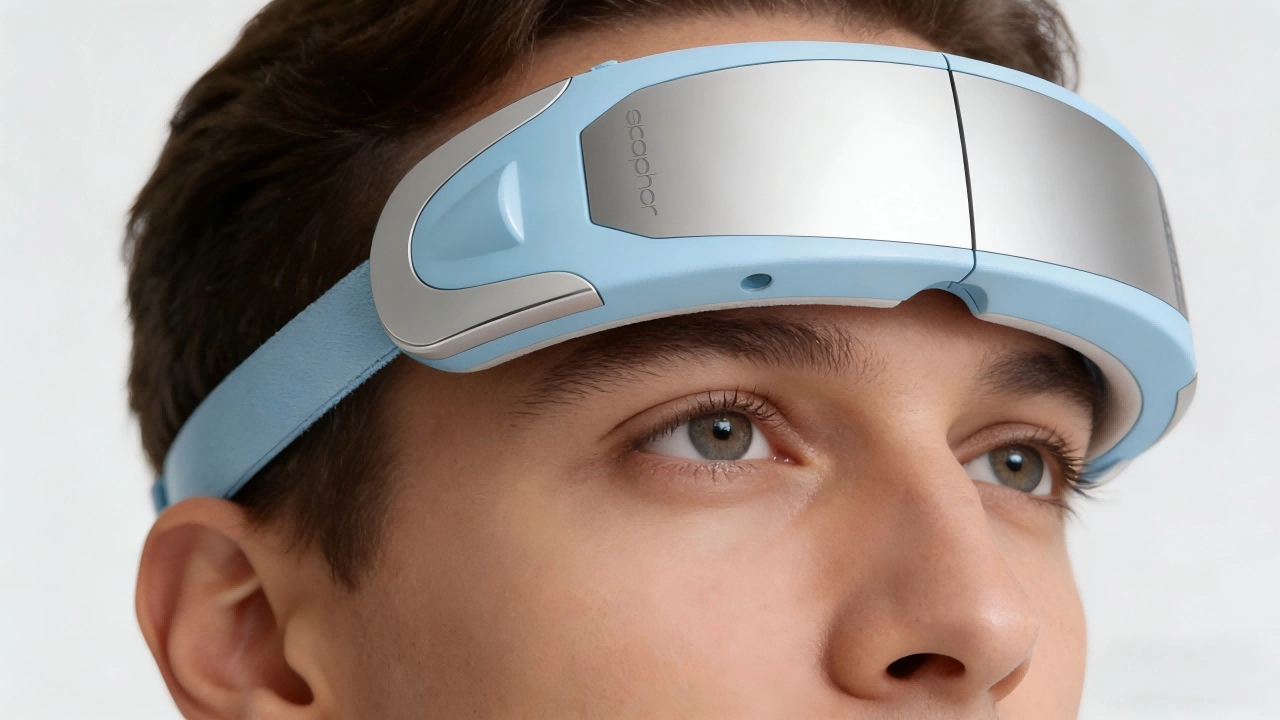
Eye Care Instruments: Why Skin-Contact Materials Matter More Than Specs
Eye Caring Instrument Design: Three Details That Matter Most
Prdoucts Categories
Prdoucts Categories
FAQ
About Company
Do you accept factory inspection?
We support factory inspection and audit, you need to make an appointment in advance and sign a confidentiality agreement (provide a demonstration of GMP workshop and quality control process).
About Skaphor
Do you offer OEM or ODM services?
Absolutely. We have a complete and mature OEM/ODM system and welcome global partners to customize products with your branding and requirements.
Are your eye therapy devices medically certified?
Yes, our products comply with international standards such as CE, FDA registration, and ISO certifications. We strictly follow quality management systems to ensure safety, performance, and reliability.
About Products
Can children/pregnant women use it?
Children over 6 years old can use it. Pregnant women are advised to consult a physician.
After-sales Support (For B2B Service)
How is the technical training implemented?
Online: Provide bilingual video tutorials and instruction manuals.
Offline: B-end customers can make an appointment with an engineer for on-site training. (travel expenses need to be borne.)
-
Contact Us for More Details
-
-
For custom designs, competitive pricing, or strategic partnerships, reach out to us. We'll get back to you promptly—usually within 24 hours.
-
Ruiheng Technology--Global Eye Protection Technology Innovator.
Contact Skaphor
Email: admin@skaphor.net
Address: Room 406, No. 101, Wanghu 1st Road, Baiyun District, Guangzhou, Guangdong Province, China.
© 2026 Skaphor. All Rights Reserved.
zhu Juliy
Skaphor_ Juliy