
Send My Projects Request
Eye Care Instruments Are Not for Treating Eye Diseases : Why We Focus on Daily Visual Support Instead
Tuesday, 02/10/2026
As awareness of eye health continues to grow, eye care instruments are becoming more visible in everyday life. Along with this growing attention, a common misunderstanding has emerged:
Are these devices meant to treat eye diseases?
The answer is no. This article explains why eye care instruments are designed for daily visual support, not medical treatment—and why this distinction matters.
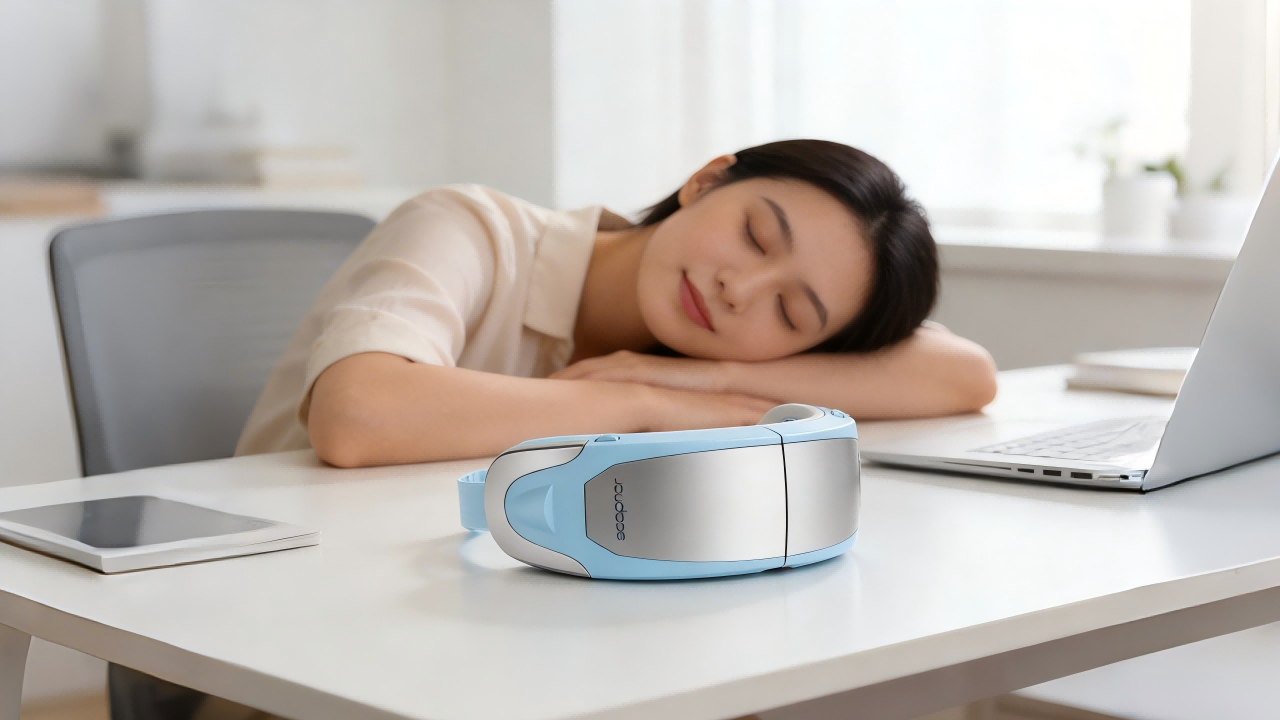
1. Why Eye Care Instruments Are Often Mistaken for Treatment Tools
The confusion usually comes from several factors:
- The use of terms like “instrument” or “treatment” in product descriptions
- Visual or technical similarities to medical equipment
- Natural concern when experiencing eye discomfort
When eyes feel tired or uncomfortable, it is easy to look for a solution that promises direct treatment.
2. The Actual Role of Eye Care Instruments
From a functional perspective, eye care instruments are not intended to address specific eye diseases. Instead, they focus on:
- Supporting visual comfort
- Managing daily visual load
- Assisting recovery after prolonged eye use
Their purpose is to help the visual system operate more comfortably under everyday conditions—not to replace diagnosis or therapy.
3. “Not for Treatment” Does Not Mean “Not Useful”
Viewing eye care instruments only through a treatment lens can obscure their real value.
In modern life, many visual discomforts arise not from disease, but from:
- Intensive screen use
- Poor visual habits
- Accumulated visual stress
In these situations, an eye caring instrument plays an important role by providing preventive and supportive care rather than corrective intervention.
4. Why Daily Visual Support Is Becoming Essential
Rather than reacting only when discomfort becomes severe, daily visual support emphasizes:
- Consistent use instead of one-time solutions
- Gentle assistance instead of strong intervention
- Long-term comfort instead of short-term relief
This approach reflects how the visual system actually responds to sustained daily demands.
5. Why Skaphor Stands by Daily Visual Support
From the Skaphor perspective, eye care is not about “treating problems,” but about managing visual health over time.
The focus is on:
- Helping the visual system tolerate modern workloads
- Supporting comfort throughout daily routines
- Making eye care sustainable and easy to integrate into life
That is why Skaphor’s eye care instruments are positioned as daily visual support tools, not medical treatment devices.
Understanding what eye care instruments are—and what they are not—helps set realistic expectations.
When these devices are recognized as part of daily visual support rather than disease treatment, eye care becomes more practical, balanced, and sustainable.
Product Categories
Recommended for you
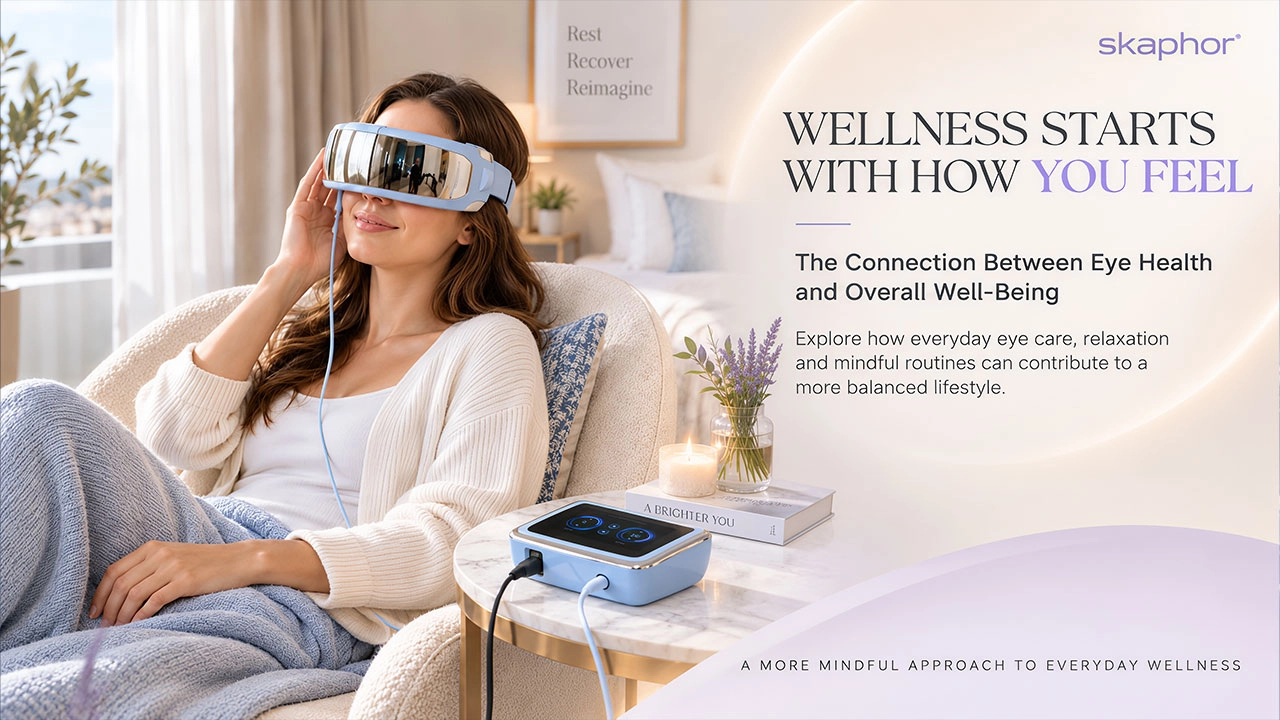
The Connection Between Eye Health and Overall Well-Being
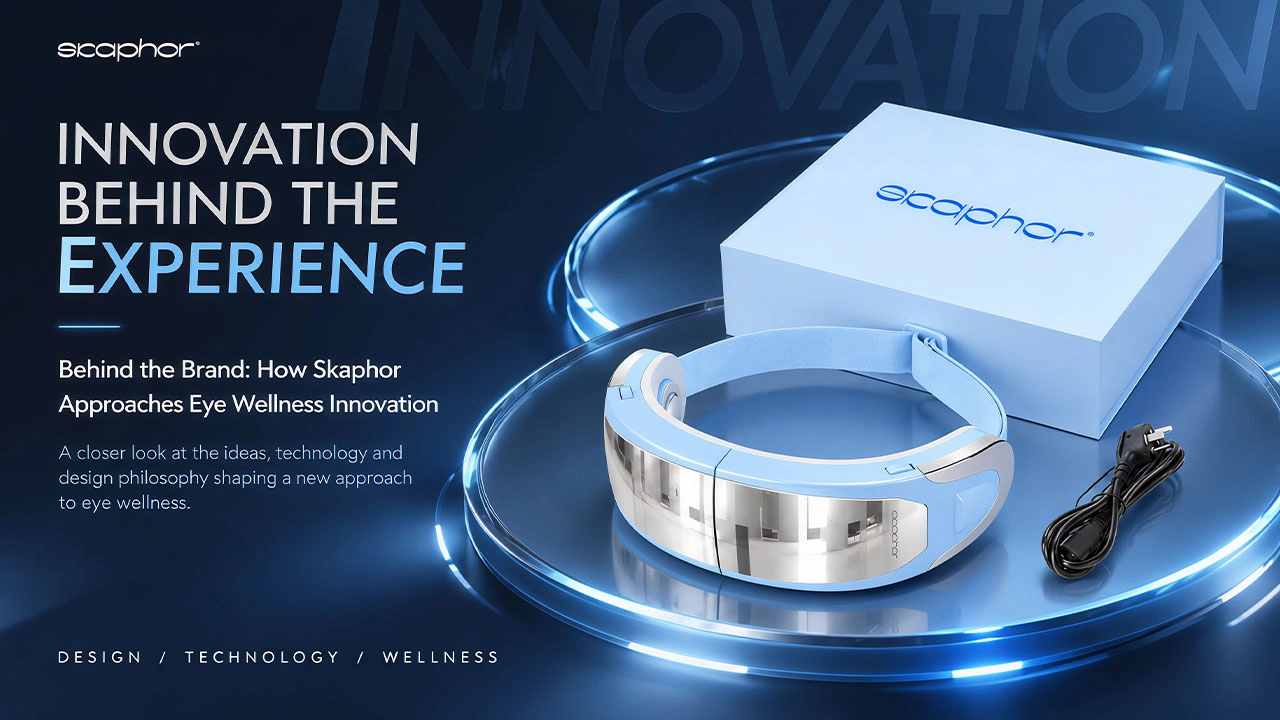
Behind the Brand: How Skaphor Approaches Eye Wellness Innovation
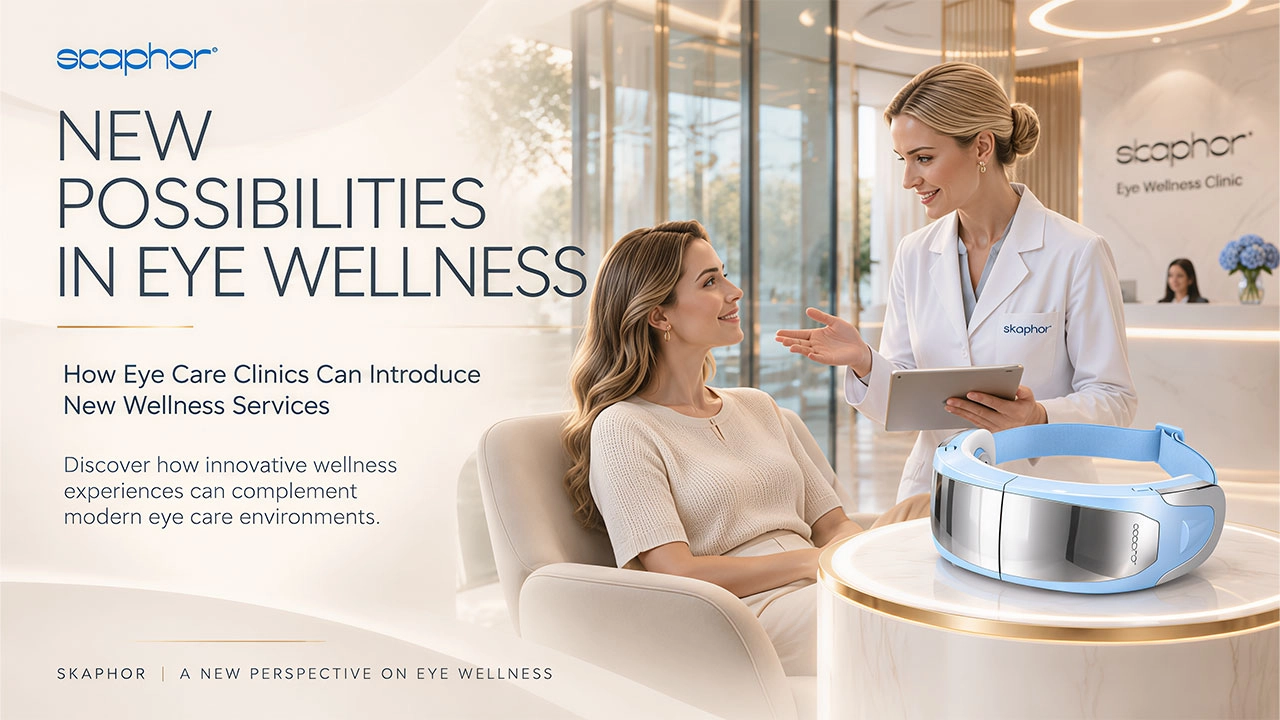
How Eye Care Clinics Can Introduce New Wellness Services
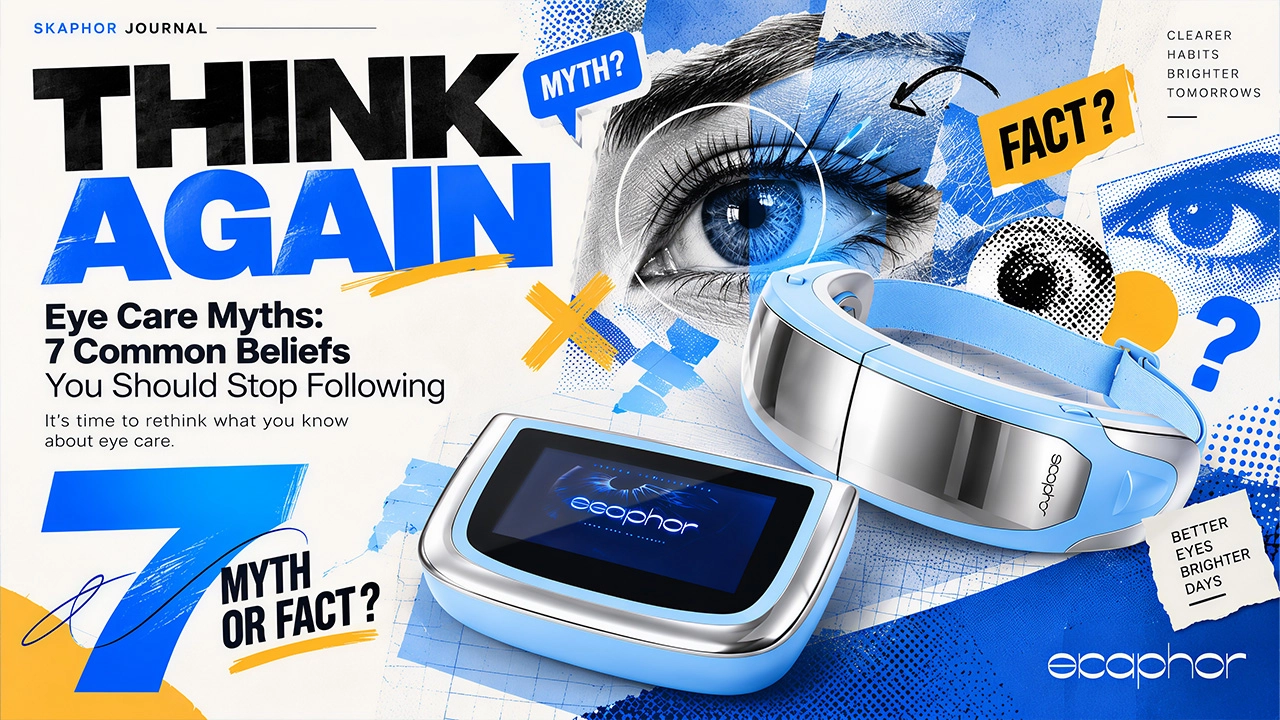
Eye Care Myths: 7 Common Beliefs You Should Stop Following
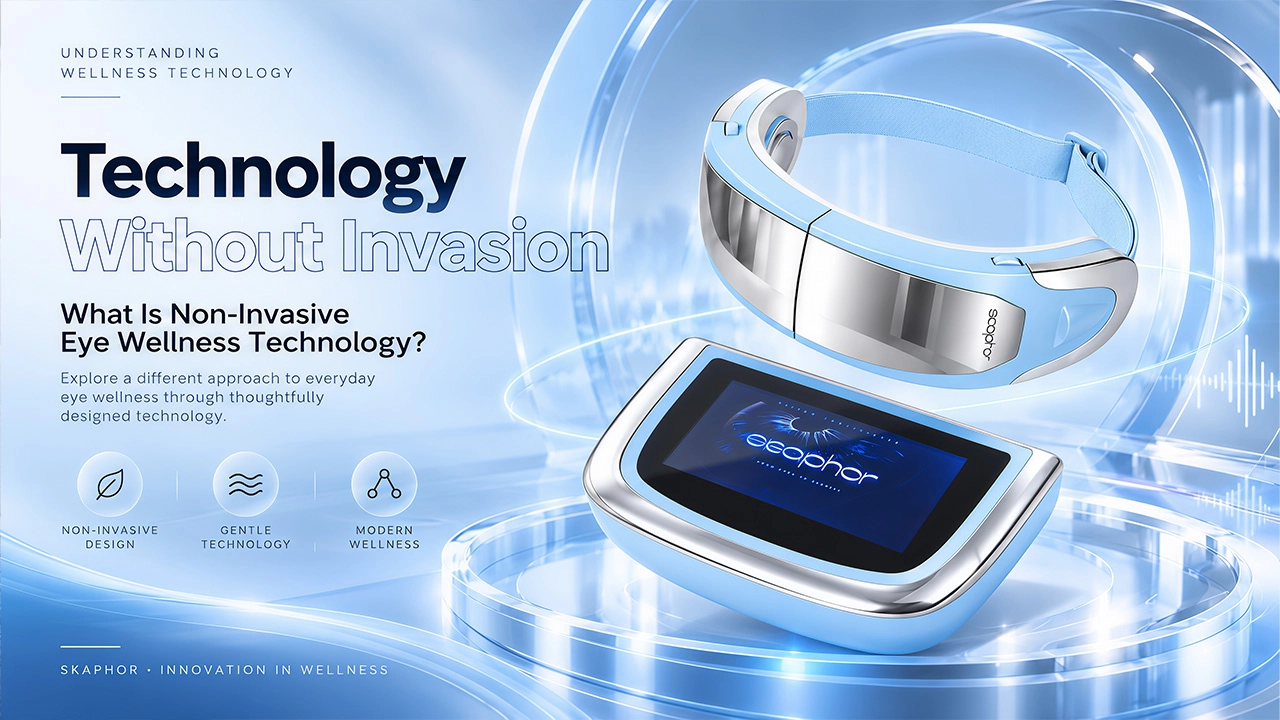
What Is Non-Invasive Eye Wellness Technology?
Product Categories
Product Categories
FAQ
About Skaphor
Are your eye therapy devices medically certified?
Yes, our products comply with international standards such as CE, FDA registration, and ISO certifications. We strictly follow quality management systems to ensure safety, performance, and reliability.
Where is Skaphor based and where do you ship?
We are based in Guangzhou, China, and our products are exported to over 30 countries worldwide, including the U.S., UK, Australia, South Korea, and many more.
Marketing Support
Do you provide sales kits?
Provide kits containing qualification documents, clinical data, product promotional materials, clinical cases, etc.
Logistics and Customs Clearance
Can the package be labeled in the customer's country?
Multi-language labeling is supported (compliance text and location drawings must be provided).
How to guarantee the breakage rate?
We promise that the defective rate will be ≥99.5%, otherwise, we will make up for the defective rate proportionally.
-
Contact Us for More Details
-
-
For custom designs, competitive pricing, or strategic partnerships, reach out to us. We'll get back to you promptly—usually within 24 hours.
-
Ruiheng Technology--Global Eye Protection Technology Innovator.
Contact Skaphor
Email: admin@skaphor.net
Address: Room 406, No. 101, Wanghu 1st Road, Baiyun District, Guangzhou, Guangdong Province, China.
© 2026 Skaphor. All Rights Reserved.
Skaphor
Skaphor