
Send My Projects Request
Seeing Clearly ≠ Seeing Comfortably: Why Visual Endurance Is Gaining Medical Attention
Saturday, 03/28/2026
For a long time, clear vision has been considered the primary indicator of eye health. If you can see clearly, your eyes are assumed to be “fine.”
However, both clinical observations and modern lifestyle changes are shifting this perspective. Increasingly, eye care professionals are paying attention to a new dimension: visual endurance.
In simple terms, seeing clearly does not necessarily mean you can see comfortably for long periods.
Symptoms such as eye fatigue, dryness, and reduced focus after prolonged screen use are becoming more common—even among individuals with normal vision.
This article explores why visual endurance is gaining importance, and how eye care instruments and vision therapy instruments are being discussed in this evolving field.
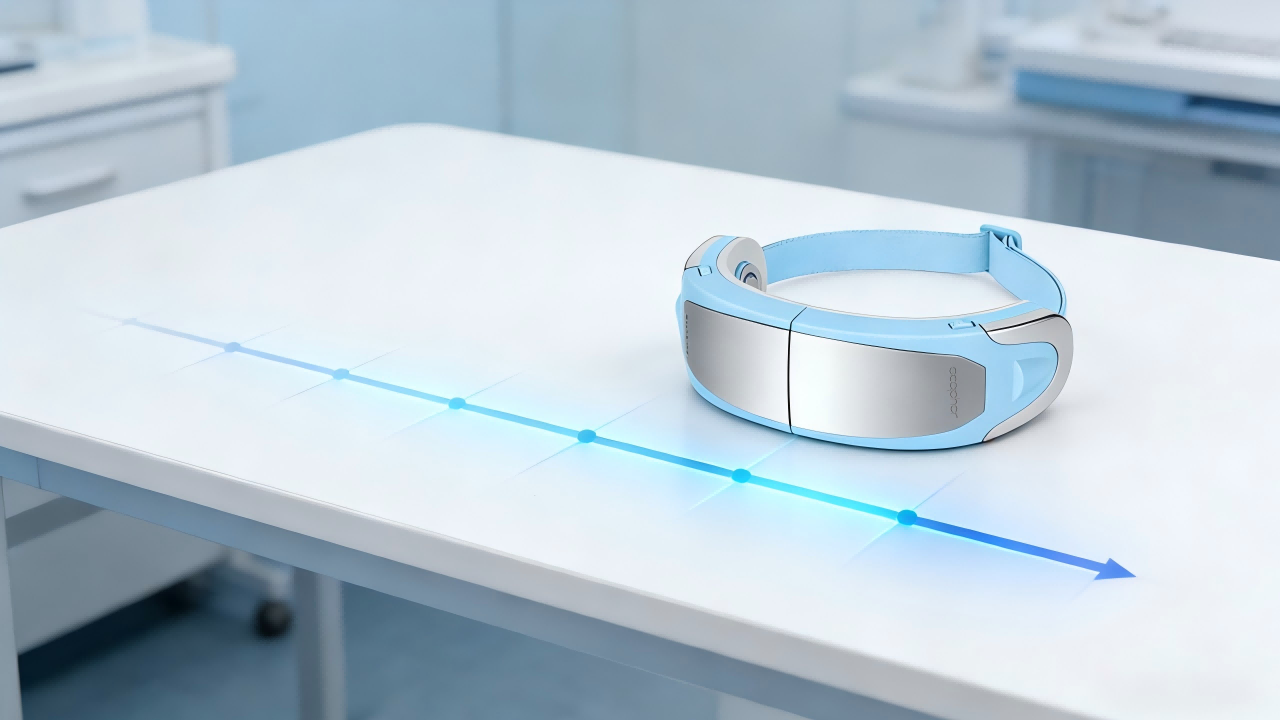
1. Why Visual Clarity Is No Longer Enough
Traditional vision assessment focuses on clarity—how well you can distinguish details at a distance (e.g., 20/20 vision).
But today’s visual environment has changed significantly:
- Prolonged screen exposure
- Frequent near-distance tasks
- Extended daily usage time
These factors increase overall visual load.
As a result, many people with normal visual acuity still experience:
- Eye dryness
- Temporary blurred vision
- Difficulty maintaining focus
- General visual discomfort
This has led to a broader understanding:
👉 Visual quality includes not only clarity, but also sustainability over time.
2. What Is Visual Endurance?
Visual endurance refers to the ability of the visual system to maintain stable performance during continuous use.
It involves coordination across multiple physiological components, including:
- Tear film stability (ocular surface)
- Ciliary muscle accommodation
- Retinal photoreceptor activity
- Neural signal transmission
When these systems become fatigued or imbalanced, users may experience:
- Reduced comfortable viewing time
- Slower recovery after eye use
- Decreased visual comfort
This explains why someone can “see clearly” but still struggle with prolonged visual tasks.
3. Common Causes of Reduced Visual Endurance
1. Prolonged Near Work
Extended focus on screens keeps the eye in a constant accommodative state, increasing muscle fatigue.
2. Reduced Blink Rate
Screen use often decreases blinking frequency, leading to tear film instability and dry eye symptoms.
3. Imbalanced Light Environment
Exposure to blue light, glare, or high contrast can increase visual strain.
4. Lack of Recovery Mechanisms
Without active visual relaxation or regulation, fatigue accumulates over time.
4. Why Doctors Are Paying More Attention
In ophthalmology and visual science, emerging observations suggest:
Many visual discomfort issues are linked to functional fatigue, rather than structural damage.
This means:
- Early-stage issues may not be detected through standard vision tests
- Patient-reported discomfort becomes increasingly important
As a result, professionals are placing more emphasis on:
- Comfort after prolonged use
- Duration of sustained visual performance
- Recovery speed
These factors are becoming important complements to traditional eye examinations.
5. The Role of Eye Care Instruments
With this shift, a category of devices is gaining attention:
eye care instruments
These devices are typically designed for non-invasive, daily-use scenarios.
Their general application directions include:
- Supporting visual relaxation
- Enhancing comfort after extended eye use
- Assisting in maintaining a balanced ocular environment
It is important to note:
These products are not intended for medical diagnosis or treatment, but rather for daily visual care and comfort support.
6. The Extended Use of Vision Therapy Instruments
In more specialized contexts,
vision therapy instruments
are used in research and structured visual training environments.
Their approaches may include:
- Providing controlled stimuli to support visual coordination
- Assisting in visual function training
- Supporting stability of visual performance
Some light-based stimulation approaches (such as low-level light research directions)
have been explored in relation to:
- Supporting cellular activity
- Improving localized functional conditions
These applications are typically considered within professional or guided contexts.
7. From Treatment to Management: A New Trend in Eye Care
Eye care is gradually shifting from reactive treatment to proactive management.
This transition includes:
- From single metrics (visual acuity) → multi-dimensional performance
- From passive treatment → active maintenance
- From short-term relief → long-term comfort
Visual endurance is becoming a key indicator in this evolving framework.
In today’s digital world, seeing clearly is no longer the only goal.
What matters more is:
Whether your eyes can maintain comfort and stability over time.
The concept of visual endurance offers a broader understanding of eye health.
And tools such as eye care instruments and vision therapy instruments are increasingly being considered as supportive elements in daily visual management.
Prdoucts Categories
Recommended for you
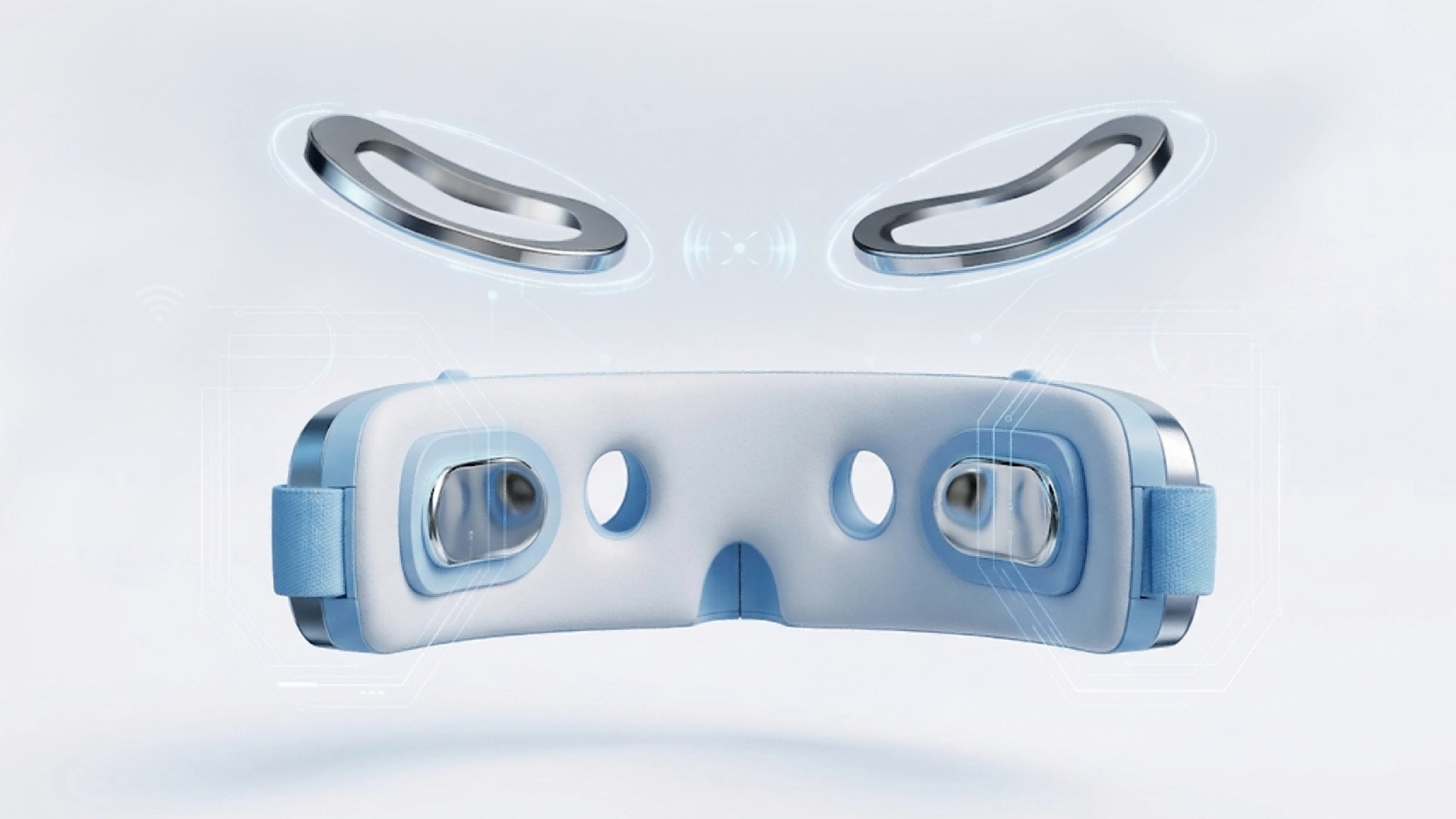
What Is Magnetic Electrode Design? A New Trend in Eye Care Devices
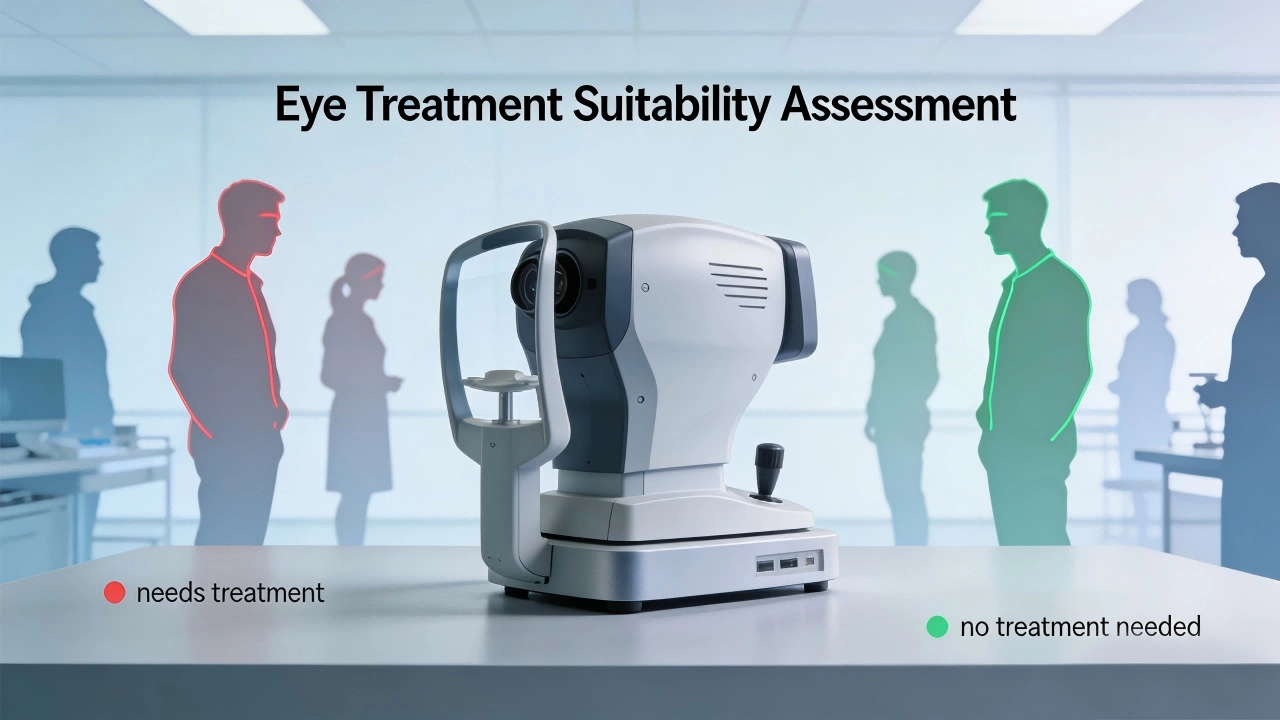
Are Eye Treatment Machines Suitable for Everyone?
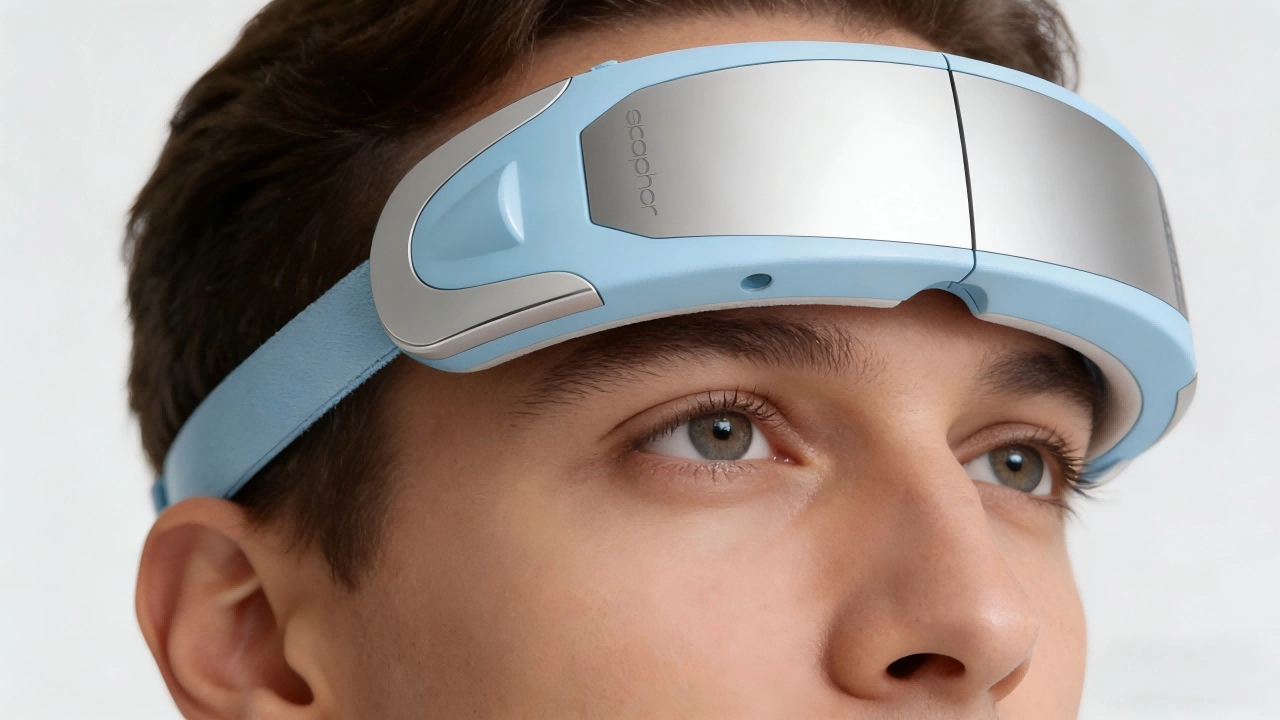
Eye Care Instruments: Why Skin-Contact Materials Matter More Than Specs
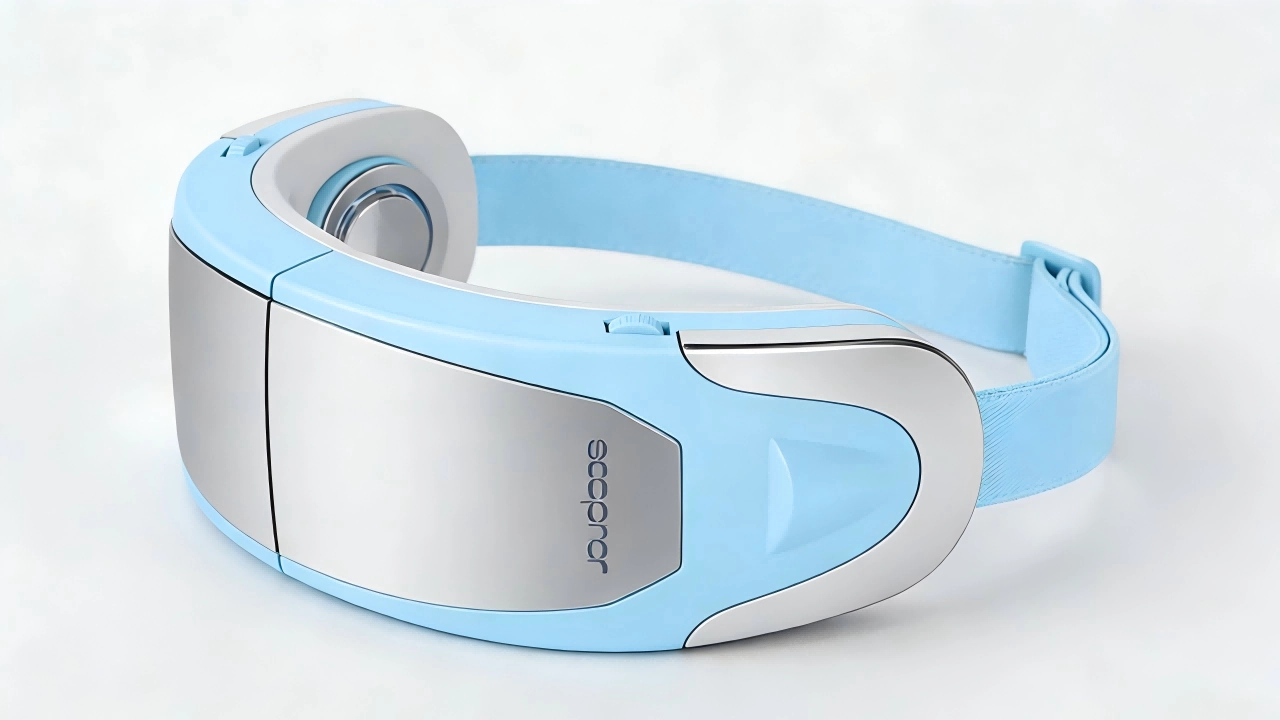
Eye Caring Instrument Design: Three Details That Matter Most
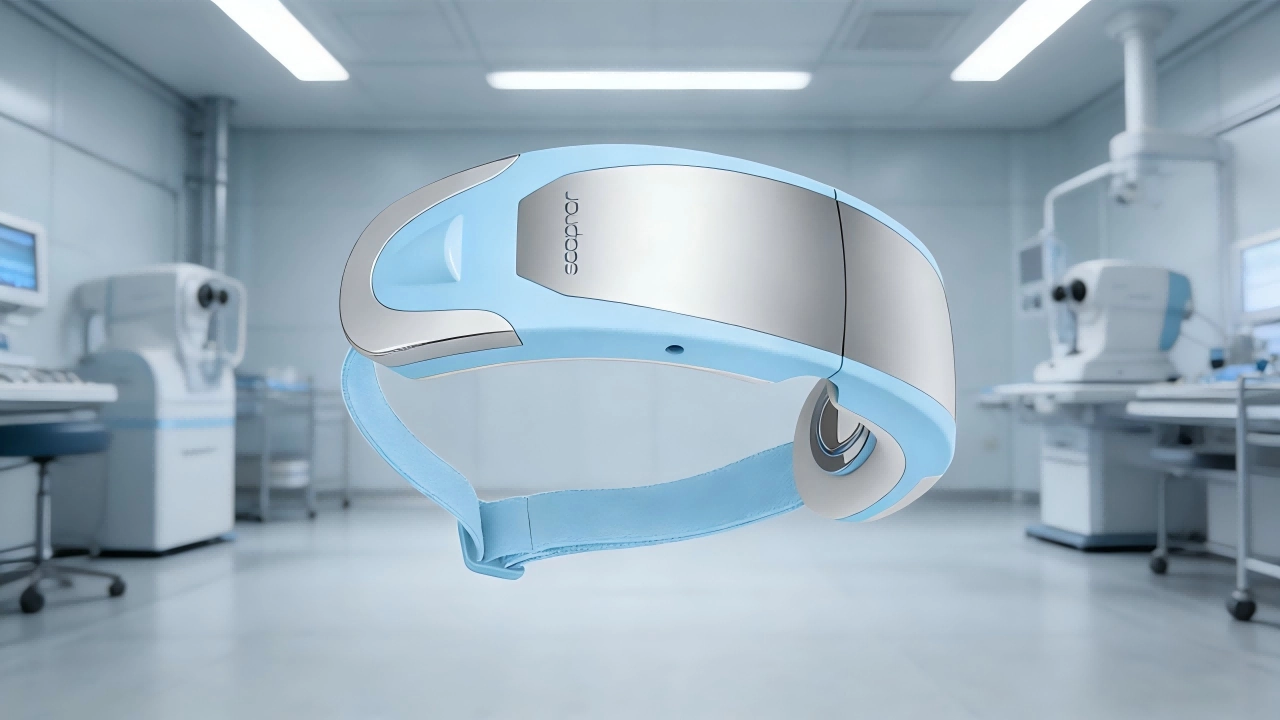
Why Ophthalmology Equipment Manufacturers Are Entering Non-Invasive Eye Care
Prdoucts Categories
Prdoucts Categories
FAQ
Technical Verification
What is the source of clinical data?
6-month double-blind trial report issued by the partner tertiary hospital (can be provided after signing the NDA).
About Products
How long does it take to see results?
Patients with dry eye symptoms can get significant relief by wearing this product for a standard course of treatment (20 minutes/times), and it is recommended to use it by the full course of treatment (clinical data shows that about 87% of users feedback significant improvement in visual clarity after 2 weeks of continuous use).
Customized Service (For OEM/ODM)
Does it support OEM labeling?
Yes, with a minimum order quantity of 500 units, we provide LOGO laser engraving/UI interface customization services.
After-sales Support (For B2B Service)
Do you provide after-sales spare parts inventory?
For VIP customers to keep three per thousand of the order quantity of spare machine inventory (free hosting for 1 year).
Marketing Support
Do you provide sales kits?
Provide kits containing qualification documents, clinical data, product promotional materials, clinical cases, etc.
-
Contact Us for More Details
-
-
For custom designs, competitive pricing, or strategic partnerships, reach out to us. We'll get back to you promptly—usually within 24 hours.
-
Ruiheng Technology--Global Eye Protection Technology Innovator.
Contact Skaphor
Email: admin@skaphor.net
Address: Room 406, No. 101, Wanghu 1st Road, Baiyun District, Guangzhou, Guangdong Province, China.
© 2026 Skaphor. All Rights Reserved.
zhu Juliy
Skaphor_ Juliy