
Send My Projects Request
Why Rest Alone Is Sometimes Not Enough for Modern Eye Fatigue
Thursday, 12/18/2025
For a long time, “getting more rest” was considered the most effective way to relieve tired eyes. However, in today’s screen-dominated environment, many people find that eye fatigue often returns even after resting.
This does not mean rest has lost its value. Instead, it reflects a shift in how modern eye fatigue develops. Visual discomfort today is no longer caused by surface strain alone.
This article explores why rest by itself may not always provide effective eye fatigue relief, and how modern visual habits place deeper demands on the visual system, making true visual recovery more complex than before.

1. Why Rest Used to Work Well
In traditional visual environments, eye fatigue was commonly linked to:
-
Prolonged near focusing
-
Temporary tension in the ciliary muscles
-
Reduced blinking and mild dryness
Under these conditions, simple actions—such as closing the eyes, looking into the distance, or taking short breaks—allowed the visual system to recover naturally.
This approach worked because visual load was intermittent, not continuous.
2. How Modern Eye Fatigue Has Changed
Today’s visual environment is fundamentally different:
-
Extended daily screen exposure
-
Predominantly artificial lighting
-
High visual information density
-
Frequent task switching and constant focus changes
As a result, fatigue is no longer limited to eye muscles or the ocular surface. The visual system now remains under persistent neural processing demand.
Many people therefore experience:
-
A sense of visual tightness or heaviness
-
Difficulty sustaining visual focus
-
Clear vision accompanied by discomfort
3. The Hidden Cost of Eye Fatigue: Neural Load
Vision is not just a mechanical process. It is a neural one:
Light input → retinal photoreception → neural signal transmission → brain processing
When this pathway remains overactive for long periods, fatigue can accumulate at the neural signaling level, affecting visual rhythm and stability.
In these cases, rest alone may ease surface symptoms but may not fully support visual recovery.
4. Why Eye Fatigue Often Returns Quickly After Rest
One of the most common challenges in modern eye fatigue relief is recurrence.
This often occurs when:
-
Neural signaling remains imbalanced
-
The visual system stays in a heightened state
-
No gentle regulatory input supports recovery
Without restoring visual rhythm, fatigue tends to return soon after visual tasks resume.
5. From “Rest” to “Support”: A Shift in Visual Recovery Thinking
Recent visual research increasingly focuses on supporting neural rhythm and signal stability, rather than relying on rest alone.
Non-invasive, light-based approaches are being explored to:
-
Provide stable and predictable visual input
-
Support neural signal regulation
-
Reduce residual discomfort after prolonged screen use
Skaphor’s light-based eye care approach reflects this direction by using controlled optical rhythms to interact gently with visual neural pathways.
6. A Balanced View of Eye Fatigue Relief
In modern visual environments, effective eye fatigue relief often involves multiple elements:
-
Healthy visual habits
-
Thoughtful lighting conditions
-
Long-term, rhythm-friendly visual support
The value of these approaches typically appears through continued use and overall comfort improvement, rather than immediate effects.
As the visual system gradually regains a more natural and organized rhythm, visual recovery becomes more stable and sustainable.
Rest remains important—but in modern visual life, it is no longer the only answer.
Understanding the neural nature of eye fatigue helps explain why visual discomfort can persist. By supporting visual rhythm and neural balance, modern eye care approaches offer a more complete path toward lasting visual recovery.
Prdoucts Categories
Recommended for you
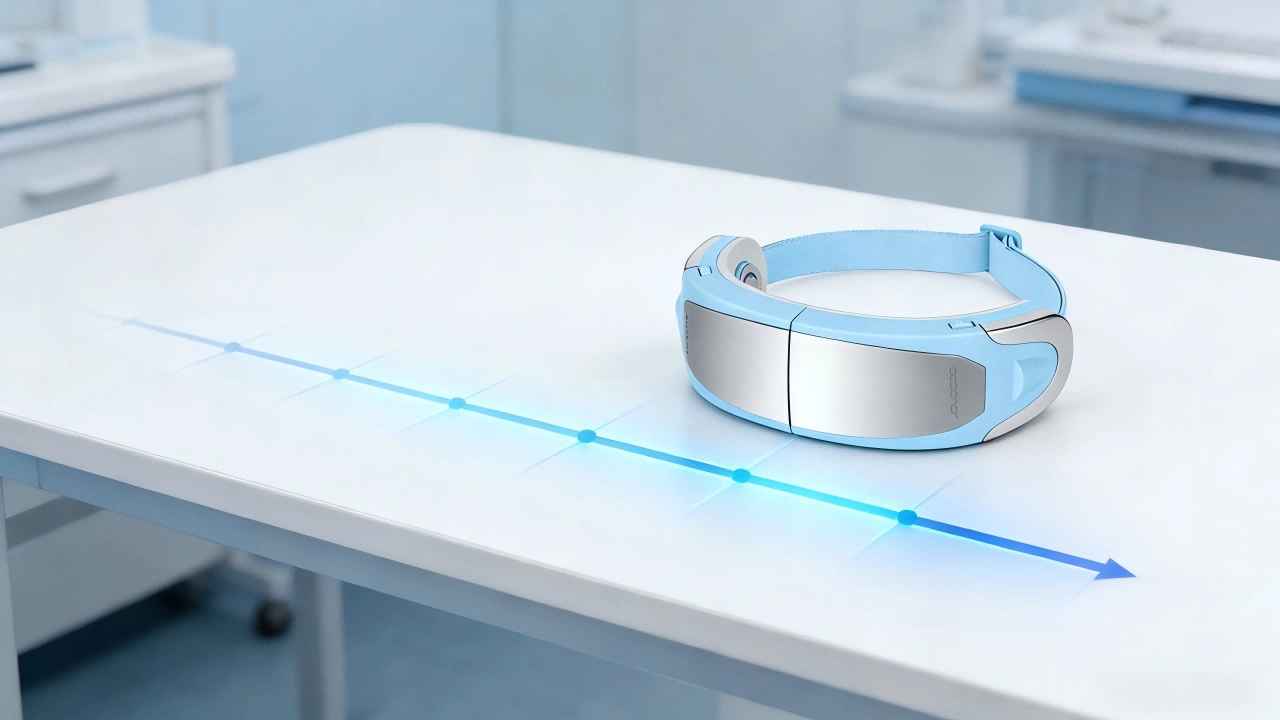
Seeing Clearly ≠ Seeing Comfortably: Why Visual Endurance Is Gaining Medical Attention
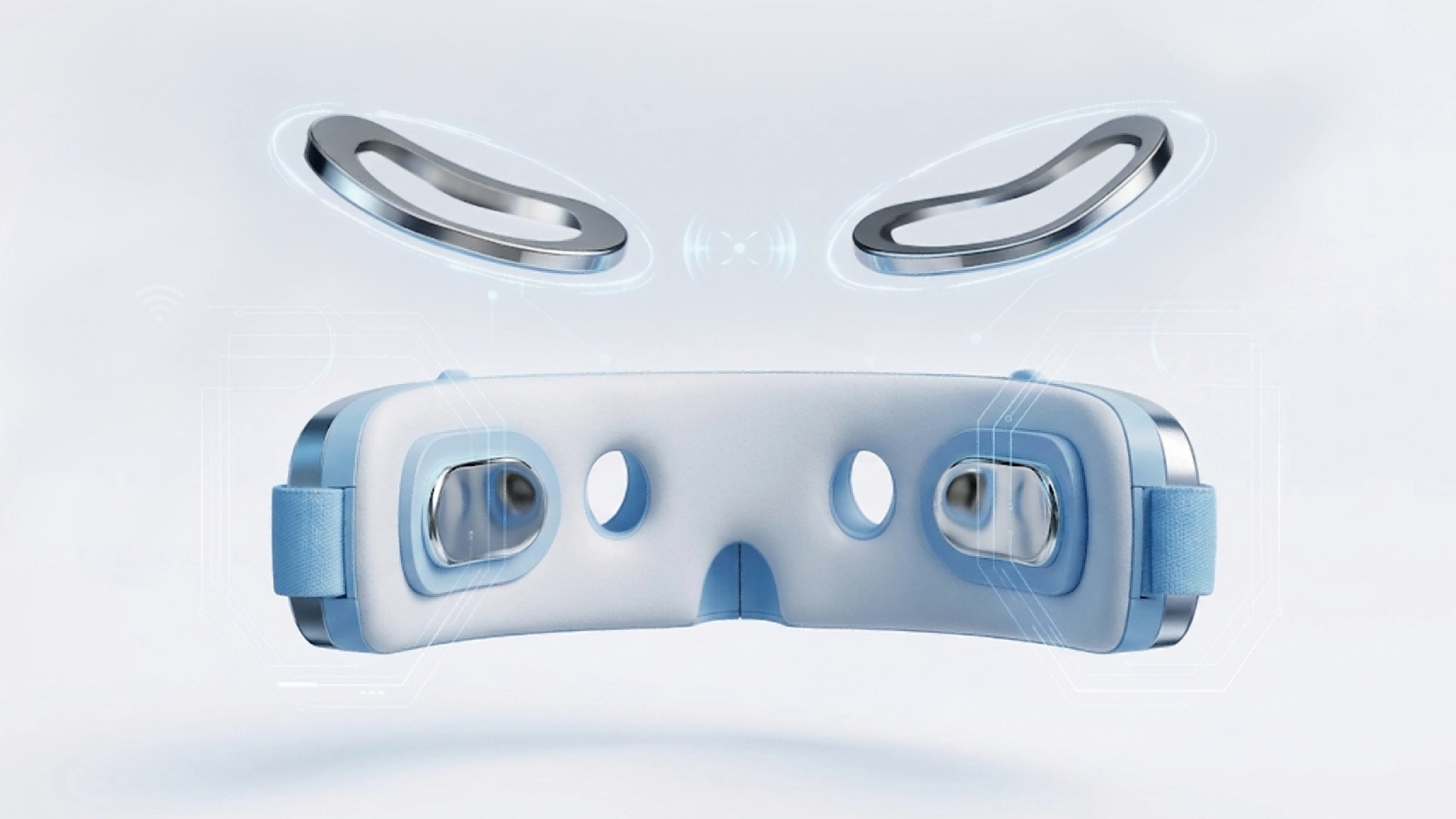
What Is Magnetic Electrode Design? A New Trend in Eye Care Devices
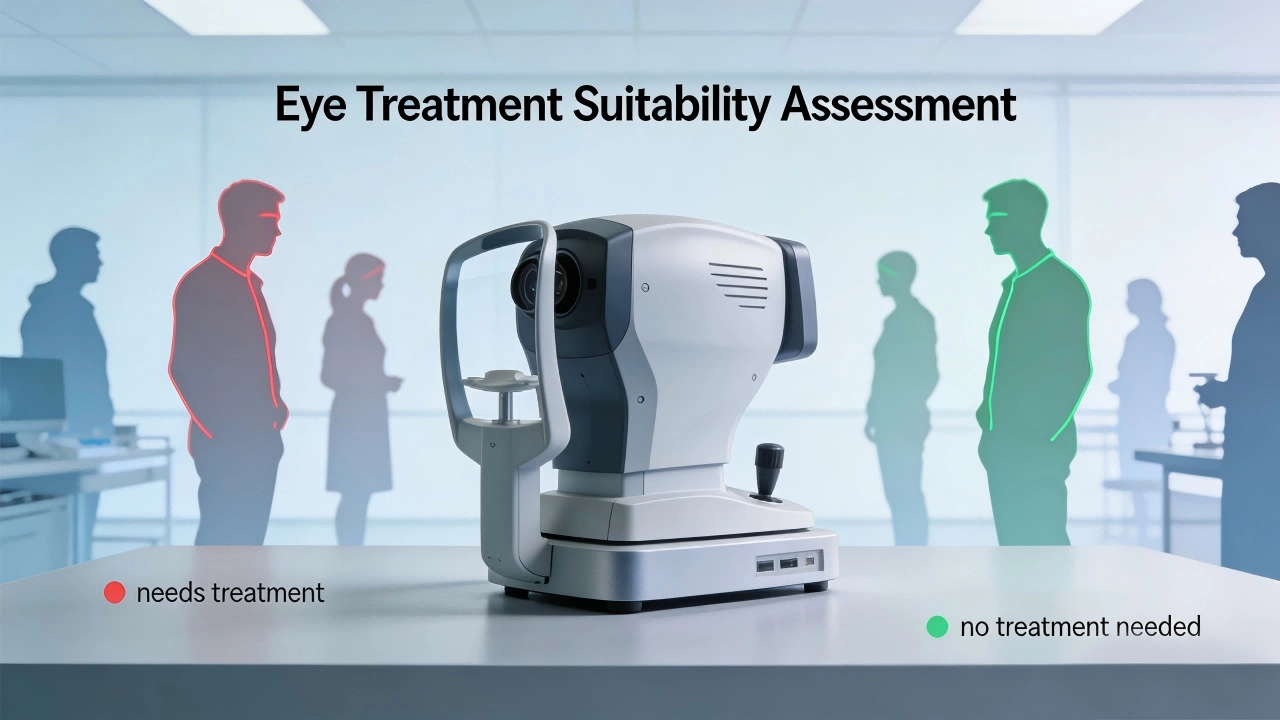
Are Eye Treatment Machines Suitable for Everyone?
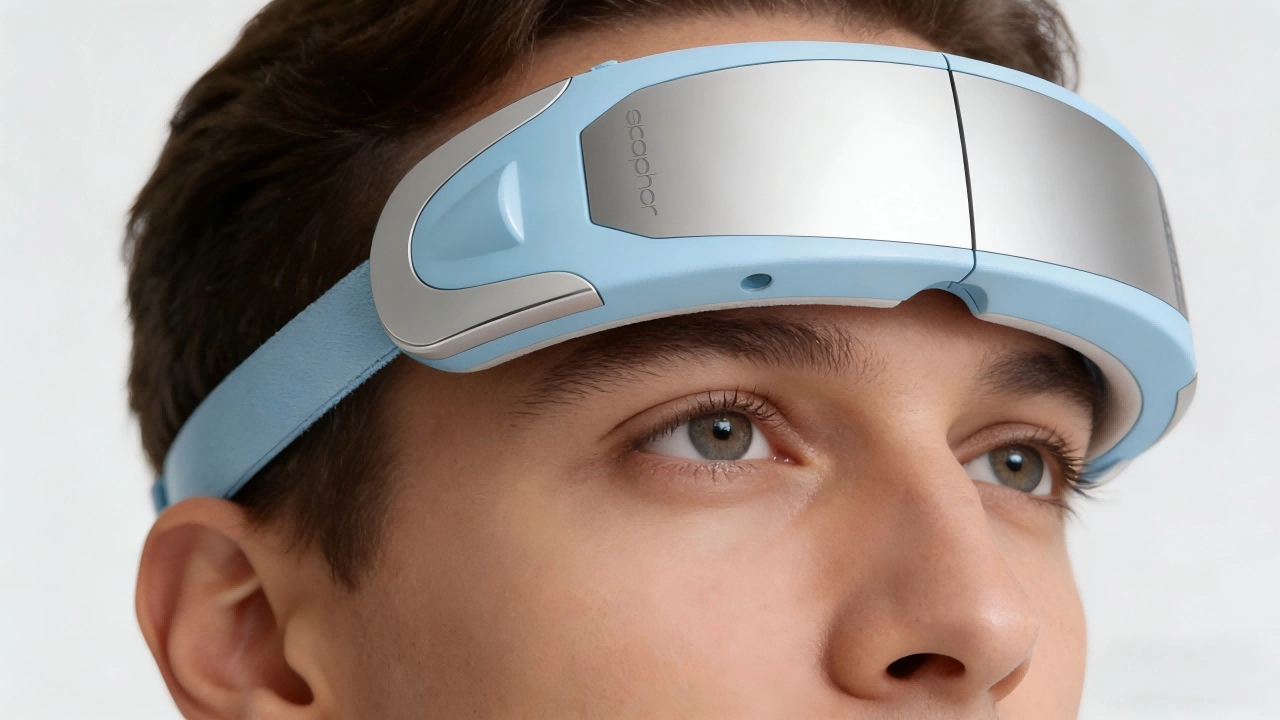
Eye Care Instruments: Why Skin-Contact Materials Matter More Than Specs
Eye Caring Instrument Design: Three Details That Matter Most
Prdoucts Categories
Prdoucts Categories
FAQ
About Bulk Order
Do you accept L/C payment?
Support TT/LC/AliPay/PayPal/Western Union, 30% deposit is required for the first order.
After-sales Support (For B2B Service)
How is the technical training implemented?
Online: Provide bilingual video tutorials and instruction manuals.
Offline: B-end customers can make an appointment with an engineer for on-site training. (travel expenses need to be borne.)
Logistics and Customs Clearance
Can the package be labeled in the customer's country?
Multi-language labeling is supported (compliance text and location drawings must be provided).
About Company
Can you provide me with the company's qualifications and patent certificates?
We can provide business license, Class II Medical Device Manufacturing Record Certificate, and a list of patents (in English and Chinese).
Technical Verification
How to ensure safety?
Built-in current/temperature triple protection system, passed GB9706.1-2020 medical electrical safety standards.
-
Contact Us for More Details
-
-
For custom designs, competitive pricing, or strategic partnerships, reach out to us. We'll get back to you promptly—usually within 24 hours.
-
Ruiheng Technology--Global Eye Protection Technology Innovator.
Contact Skaphor
Email: admin@skaphor.net
Address: Room 406, No. 101, Wanghu 1st Road, Baiyun District, Guangzhou, Guangdong Province, China.
© 2026 Skaphor. All Rights Reserved.
zhu Juliy
Skaphor_ Juliy