
Send My Projects Request
Visual Fatigue vs Eye Disease: How to Tell the Difference Early
Tuesday, 12/16/2025
In today’s screen-driven environment, symptoms such as eye soreness, blurred vision, dryness, or difficulty focusing have become increasingly common.
However, not all visual discomfort signals the same underlying issue. Some reflect visual fatigue, while others may indicate early vision changes associated with eye disease.
Understanding the difference at an early stage is essential for long-term visual stability.
This article explains how to distinguish visual fatigue from early eye disease by examining visual neural mechanisms, functional patterns, and daily visual rhythm changes.

1. What Is Visual Fatigue and Where Does It Begin?
Visual fatigue is not a single symptom, but a functional response of the visual system under sustained load.
In many cases, the source is not the eye surface itself, but the neural processing system behind vision.
Common contributing factors include:
-
Prolonged retinal photoreceptor activation
-
Continuous neural signaling without recovery intervals
-
Reduced rhythm regulation in the visual cortex
Typical signs of visual fatigue include:
-
Temporary blurred vision
-
A heavy or pressured eye sensation
-
Lingering discomfort after screen use
-
Reduced concentration that improves with rest
These symptoms are usually reversible, indicating that the visual system still retains adaptive capacity.
2. Early Eye Disease: Why Subtle Signals Are Often Missed
In contrast, early-stage eye disease does not always present with pain or acute symptoms.
Instead, it may appear as gradual and persistent changes in visual quality, such as:
-
Clarity that does not fully recover after rest
-
Increased light sensitivity or glare
-
Subtle instability in visual focus
-
Worsened vision in low-light or night conditions
These early vision changes are often linked to retinal function, optic nerve signaling, or internal ocular conditions, making them easy to misinterpret as simple fatigue.
3. Functional Fatigue vs Pathological Change: Three Key Differences
1. Relationship to Visual Load
-
Visual fatigue: Closely tied to screen time and reading intensity
-
Early eye disease: Symptoms persist even when the visual load is reduced
2. Rhythm-Based Recovery
-
Visual fatigue: Improves with sleep or environmental adjustment
-
Early eye disease: Limited or no improvement over time
3. Stability of Visual Quality
-
Visual fatigue: Fluctuating clarity that can return to baseline
-
Early eye disease: Gradual decline in clarity, contrast, or stability
At the core, these differences reflect whether the visual system can still self-regulate its neural rhythm.
4. Why Visual Rhythm Matters in Early Identification
Vision operates on rhythm.
When optical input, neural signaling, and brain processing remain synchronized, the visual system maintains comfort and stability.
Disruption may occur due to:
-
Prolonged high-intensity screen exposure
-
Narrow-spectrum indoor lighting
-
Lack of transition periods after visual load
When rhythm disruption becomes frequent, visual fatigue may occur more often and, without proper support, can evolve into more complex visual challenges.
5. Supporting the Visual System Through Gentle Optical Pathways
Before clear pathological signs appear, effective visual management focuses on restoring order rather than forcing relaxation.
Light-based eye care devices follow this principle by:
-
Delivering stable, controllable optical input
-
Avoiding mechanical pressure or vibration
-
Supporting visual neural signaling balance over time
Such approaches emphasize long-term visual state support rather than short-term stimulation, making them especially relevant for individuals with sustained screen exposure.
Not every visual discomfort signals disease—but persistent early vision changes should never be ignored.
Distinguishing visual fatigue from early eye disease means understanding whether the visual system remains adaptable.
When visual care shifts from reactive relief to rhythm-based support, the foundation for long-term clarity and comfort becomes stronger.
Prdoucts Categories
Recommended for you
Seeing Clearly ≠ Seeing Comfortably: Why Visual Endurance Is Gaining Medical Attention
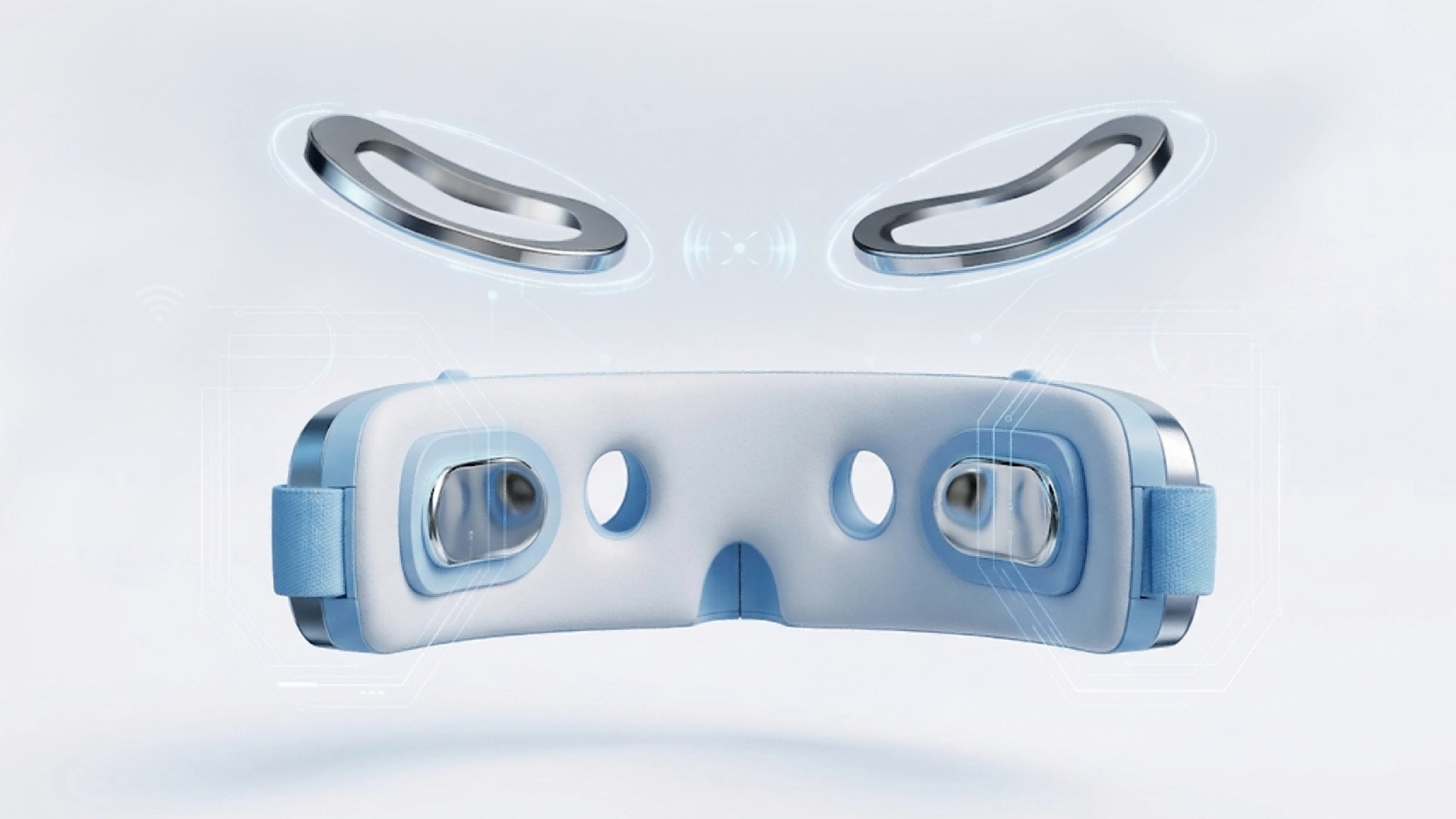
What Is Magnetic Electrode Design? A New Trend in Eye Care Devices
Are Eye Treatment Machines Suitable for Everyone?
Eye Care Instruments: Why Skin-Contact Materials Matter More Than Specs
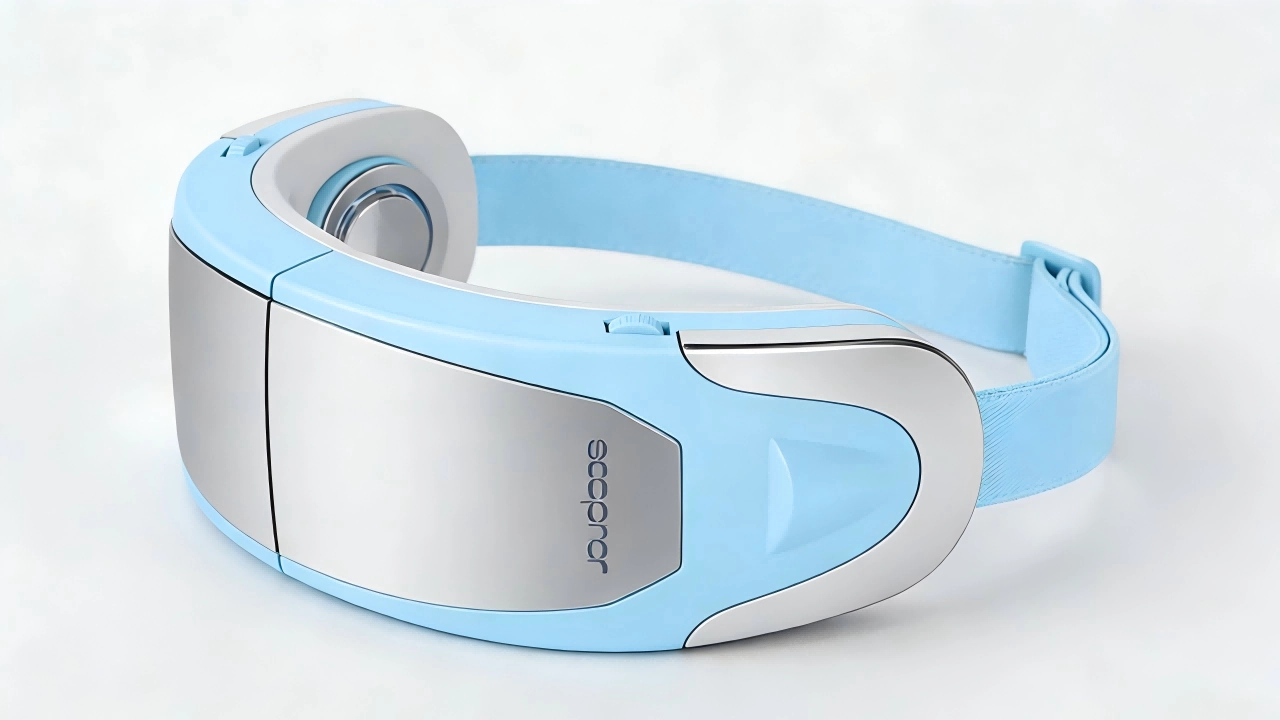
Eye Caring Instrument Design: Three Details That Matter Most
Prdoucts Categories
Prdoucts Categories
FAQ
About Products
What is the difference between Skaphor and other eye care devices?
Ordinary eye care device only massages the eye area, while Skaphor directly stimulates the visual cortex through 0-100Hz bio-optical signals (clinical effectiveness rate of 92%).
Do I need to take medication?
Pure physical therapy. The electrode part is used with the aid of wet sanitary pads.
Logistics and Customs Clearance
Does it support cross-border logistics?
We provide CIF service, and we have exported to Japan and Korea/EU/Middle East/Asia and other markets.
Marketing Support
Do you provide sales kits?
Provide kits containing qualification documents, clinical data, product promotional materials, clinical cases, etc.
About Company
Do you accept factory inspection?
We support factory inspection and audit, you need to make an appointment in advance and sign a confidentiality agreement (provide a demonstration of GMP workshop and quality control process).
-
Contact Us for More Details
-
-
For custom designs, competitive pricing, or strategic partnerships, reach out to us. We'll get back to you promptly—usually within 24 hours.
-
Ruiheng Technology--Global Eye Protection Technology Innovator.
Contact Skaphor
Email: admin@skaphor.net
Address: Room 406, No. 101, Wanghu 1st Road, Baiyun District, Guangzhou, Guangdong Province, China.
© 2026 Skaphor. All Rights Reserved.
zhu Juliy
Skaphor_ Juliy