
Send My Projects Request
Ocular Metabolism Explained: Why Blood Flow and Nerve Activity Matter
Thursday, 12/18/2025
Understanding Visual Energy Balance in Modern Eye Care
When discussing eye health, attention is often focused on visual clarity or surface comfort, while the underlying metabolic processes of the eye receive far less consideration. In reality, the eye is one of the most metabolically active organs in the human body, relying heavily on the coordinated function of neural activity and blood flow.
This article explores ocular metabolism and explains why both nerve activity and vascular support are essential. It also examines how neurovascular coupling influences visual fatigue and recovery in today’s screen-intensive environment.
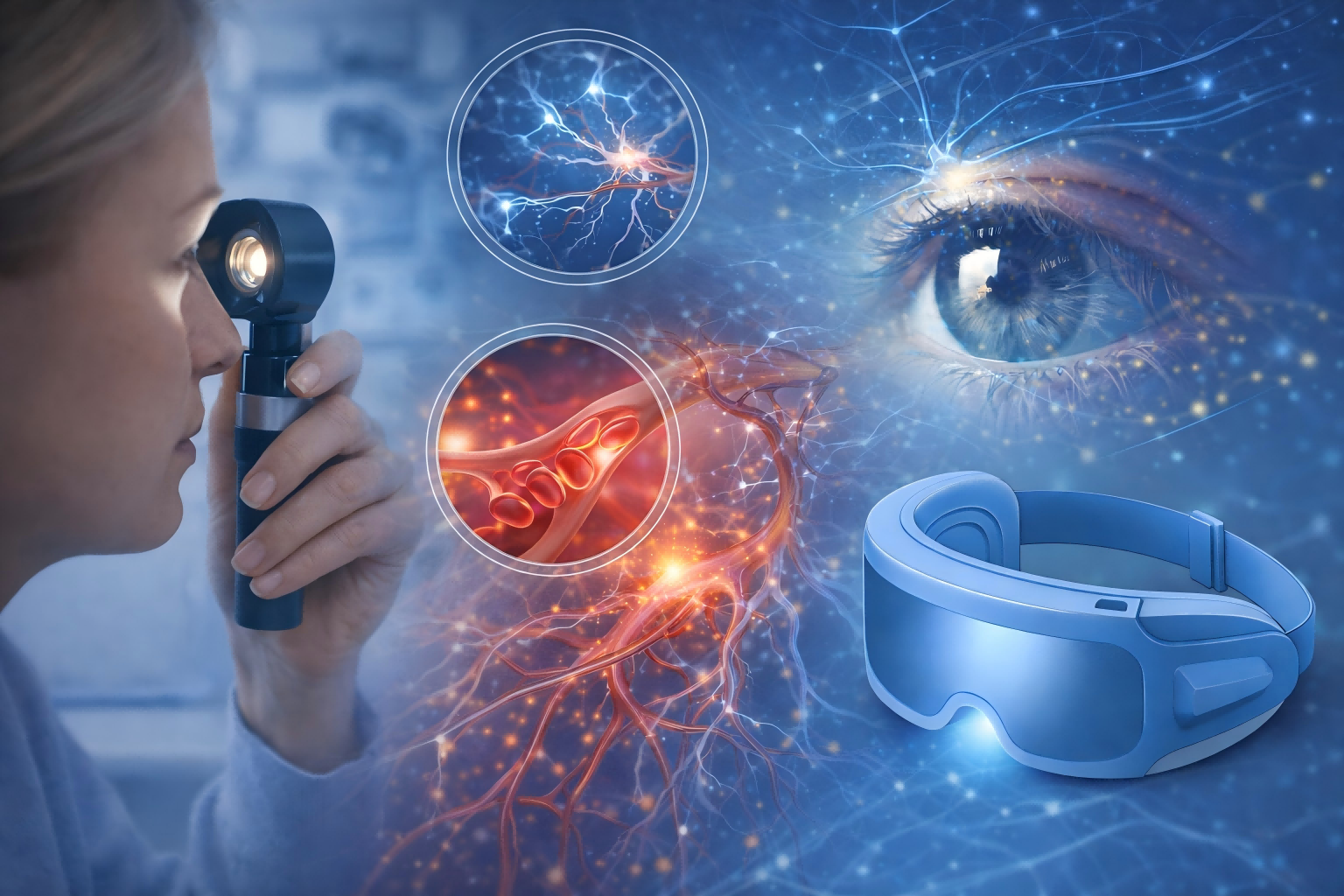
1. What Is Ocular Metabolism and Why Does It Matter?
Ocular metabolism refers to the continuous demand for energy, oxygen, and nutrients required to maintain visual function.
Compared with many other organs, the eye—particularly the retina—has several distinctive characteristics:
-
Highly active neural signaling
-
Constant energy consumption
-
High sensitivity to oxygen and metabolic imbalance
During prolonged screen use or sustained visual tasks, metabolic demand within the visual system increases significantly.
2. Neural Activity: The Energy-Consuming Side of Vision
Vision is not a passive process. It involves continuous neural computation.
During visual processing:
-
Light signals are converted into electrical impulses
-
Retinal neurons fire continuously
-
Visual information is transmitted and integrated by the brain
These processes make the visual pathway a high-energy neural system. When neural activity remains elevated for extended periods without adequate regulation, metabolic stress can accumulate.
3. Blood Flow: The Support System for Visual Metabolism
Blood flow plays a critical supporting role by:
-
Delivering oxygen
-
Supplying glucose and other metabolic substrates
-
Removing metabolic byproducts
Under healthy conditions, blood flow adjusts dynamically in response to neural demand. This adaptive mechanism is known as neurovascular coupling.
As neural activity increases, local blood flow rises to meet metabolic needs; when activity decreases, blood flow correspondingly declines.
4. What Happens When Neural Activity and Blood Flow Fall Out of Sync?
In modern visual environments, sustained stimulation can create a subtle but important imbalance:
neural activity remains elevated, while vascular adjustment may lag behind.
This mismatch may manifest as:
-
Persistent visual fatigue
-
Slow recovery after prolonged screen use
-
Clear vision accompanied by discomfort or visual strain
From a metabolic perspective, these symptoms reflect reduced efficiency in ocular metabolism, rather than a single structural issue.
5. Metabolic Challenges in Modern Visual Environments
Screen-dominated visual settings share several features:
-
High information density
-
Frequent focal shifts
-
Narrow spectral light exposure
-
Extended visual engagement
Together, these factors place sustained metabolic demands on the visual system and increase reliance on effective neurovascular coupling. This helps explain why rest alone may not fully support deeper metabolic recovery.
6. Understanding Light-Based Eye Care From a Metabolic Perspective
Recent visual research has increasingly explored non-invasive, light-based approaches to support neural rhythm regulation and visual system stability.
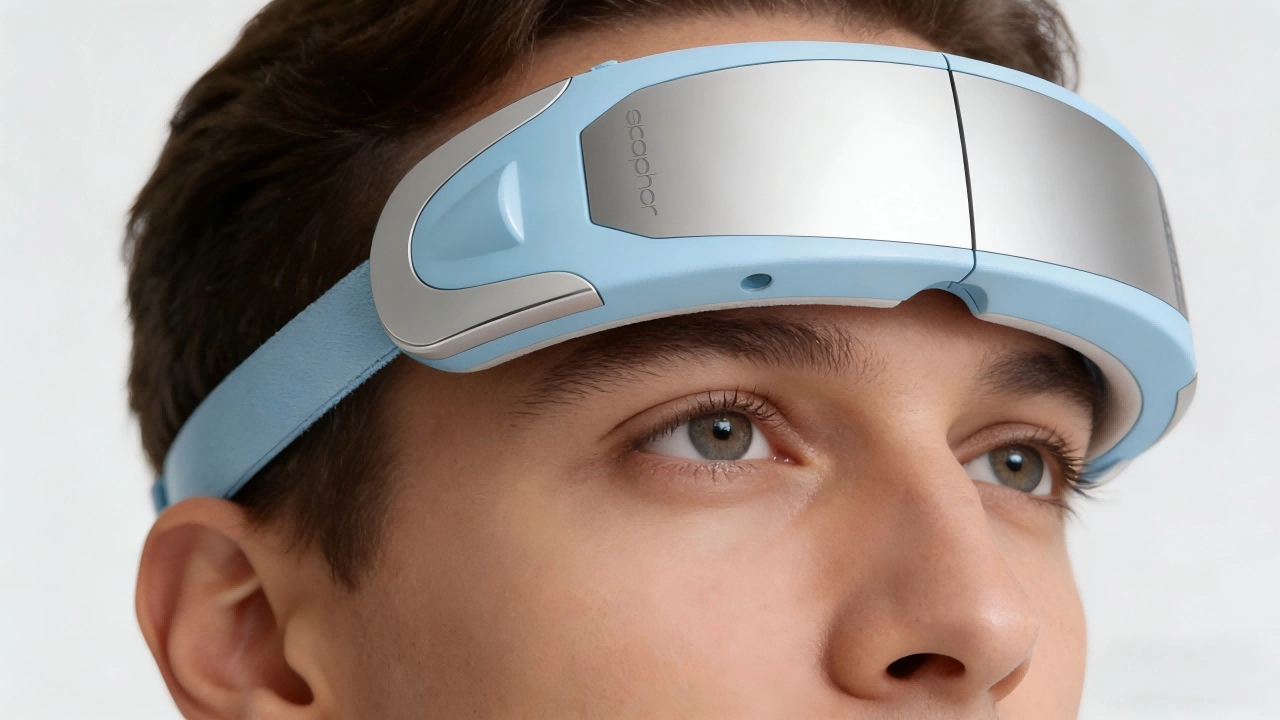
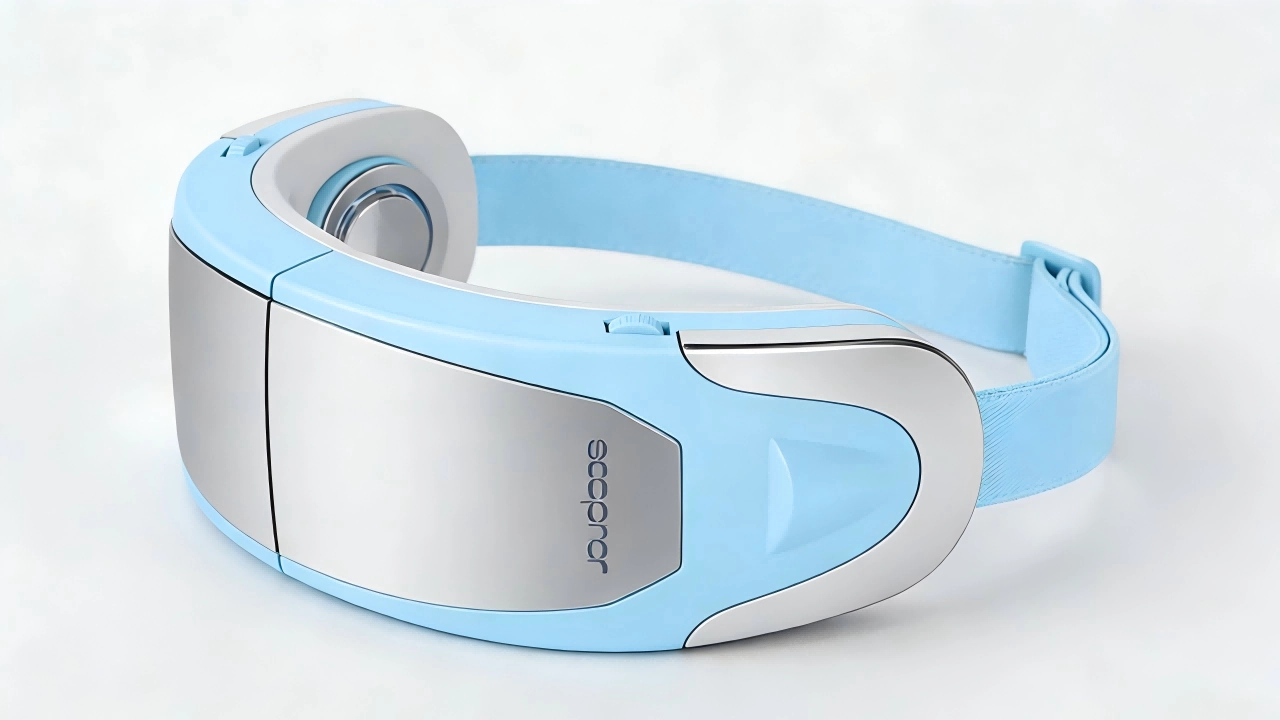
Light-based eye care devices, such as those represented by Skaphor, are designed to:
-
Provide stable, controllable optical input
-
Interact gently with visual neural activity
-
Support a more orderly metabolic state after prolonged visual load
Rather than acting directly on blood flow, this approach may influence metabolic balance indirectly by helping regulate neural activity—thereby supporting healthier neurovascular coupling.
7. A Practical View of Ocular Metabolism and Visual Recovery
From the perspective of ocular metabolism, sustainable visual recovery often depends on:
-
Balanced neural activity
-
Responsive vascular support
-
Stable and predictable visual input
When these elements work together, the visual system is better equipped to maintain efficient metabolism and long-term comfort.
Healthy visual function relies on both neural activity and blood flow working in coordination. Understanding ocular metabolism provides valuable insight into the nature of modern visual fatigue.
In an era of continuous visual demand, supporting metabolic balance through rhythm-friendly, light-based approaches may offer a more sustainable path toward long-term visual comfort.
Prdoucts Categories
Recommended for you
Seeing Clearly ≠ Seeing Comfortably: Why Visual Endurance Is Gaining Medical Attention
What Is Magnetic Electrode Design? A New Trend in Eye Care Devices
Are Eye Treatment Machines Suitable for Everyone?
Eye Care Instruments: Why Skin-Contact Materials Matter More Than Specs
Eye Caring Instrument Design: Three Details That Matter Most
Prdoucts Categories
Prdoucts Categories
FAQ
Marketing Support
Can I be authorized to use medical endorsement?
Signed distributors can use the “Zhongshan Ophthalmic Center Technical Cooperation Unit” logo (subject to audit).
Technical Verification
How to ensure safety?
Built-in current/temperature triple protection system, passed GB9706.1-2020 medical electrical safety standards.
Customized Service (For OEM/ODM)
How long does it take to customize?
60 days for standard customization (including mold development + prototype confirmation); expedited solutions need to be evaluated.
Logistics and Customs Clearance
Is there any exclusive logistics program for large orders?
More than 500 units, we can provide dedicated logistics (including export customs clearance/destination country customs clearance).
About Skaphor
What support do you offer after purchase?
We provide full technical support, user manuals, and responsive after-sales service. Warranty policies and remote assistance are available to ensure your satisfaction.
-
Contact Us for More Details
-
-
For custom designs, competitive pricing, or strategic partnerships, reach out to us. We'll get back to you promptly—usually within 24 hours.
-
Ruiheng Technology--Global Eye Protection Technology Innovator.
Contact Skaphor
Email: admin@skaphor.net
Address: Room 406, No. 101, Wanghu 1st Road, Baiyun District, Guangzhou, Guangdong Province, China.
© 2026 Skaphor. All Rights Reserved.
zhu Juliy
Skaphor_ Juliy