
Send My Projects Request
Eye Treatment Machine ≠ Medical Treatment Understanding the True Role and Boundaries of Modern Eye Care Devices
Wednesday, 01/14/2026
As eye care technology continues to evolve, the term eye treatment machine appears more frequently in consumer and professional discussions. At the same time, confusion has grown. Many users instinctively associate eye treatment machines with medical therapy and expect them to diagnose or treat eye diseases.
In reality, modern eye treatment machines are not the same as medical treatment tools. This article explains the functional boundaries of contemporary eye care devices and clarifies how non-medical eye treatment devices are intended to support daily visual wellness—without crossing into medical intervention.
1. Why the Term “Eye Treatment Machine” Is Often Misunderstood
The word treatment is commonly interpreted as medical therapy. However, within the context of eye care technology, an eye treatment machine usually refers to a device designed to support, regulate, or relieve visual load—not to treat disease.
This linguistic overlap is one of the main reasons consumers misunderstand the role of modern eye care devices.
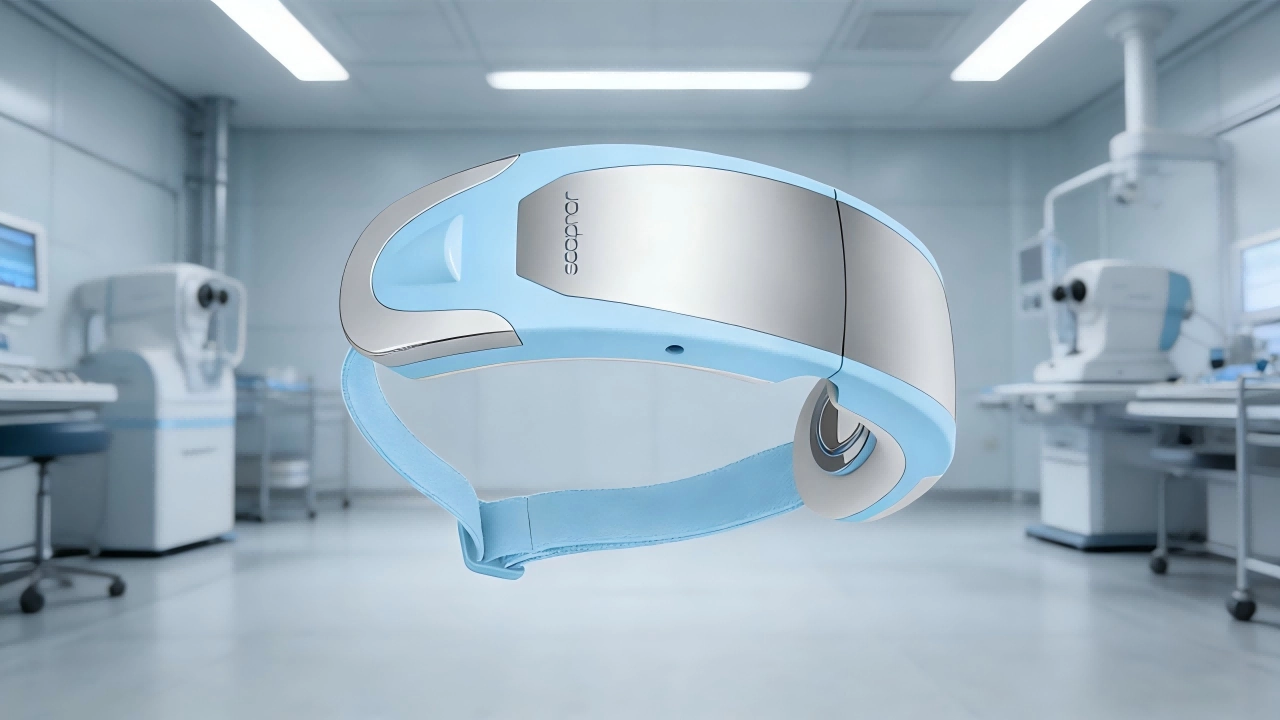
2. Eye Care Devices vs Medical Equipment: What Is the Difference?
To understand the boundary clearly, it is important to distinguish between these two categories.
Medical eye equipment typically involves:
- Disease-specific indications
- Clinical diagnostic or therapeutic intent
- Medical protocols and supervision
- Use by licensed healthcare professionals
By contrast, a non-medical eye treatment device focuses on:
- Supporting daily visual comfort
- Managing visual workload
- Promoting functional balance of the visual system
This distinction defines the core difference between an eye care device vs medical equipment.
3. The Role of Non-Invasive Eye Devices
Most modern eye treatment machines fall under the category of non-invasive eye devices.
Common characteristics include:
- No penetration or alteration of eye structures
- No diagnostic or therapeutic medical claims
- No disease-targeted intervention
- Suitability for regular, daily use
For these reasons, such devices are more accurately described as vision wellness devices, rather than medical treatment tools.
4. Why Eye Care Devices Should Not Be Viewed as Medical Treatments
Treating eye care devices as medical therapies often leads to unrealistic expectations, such as:
- Expecting them to cure eye diseases
- Using them as substitutes for professional eye care
- Overlooking individual differences and usage limits
This is why professionals consistently emphasize that eye treatment machines are designed to support visual wellness—not to replace medical diagnosis or treatment.
5. What Is the Real Purpose of an Eye Treatment Machine?
When used appropriately, modern eye treatment machines are best suited to:
- Help relieve visual load from intensive daily use
- Support visual rhythm and recovery
- Improve tolerance to prolonged screen exposure
- Serve as part of a broader daily eye care routine
This is the true value of an eye treatment machine for daily care.
6. The Boundary-Driven Approach Represented by Skaphor
Skaphor’s design philosophy is built on a clear boundary:
Eye care is not medical treatment.
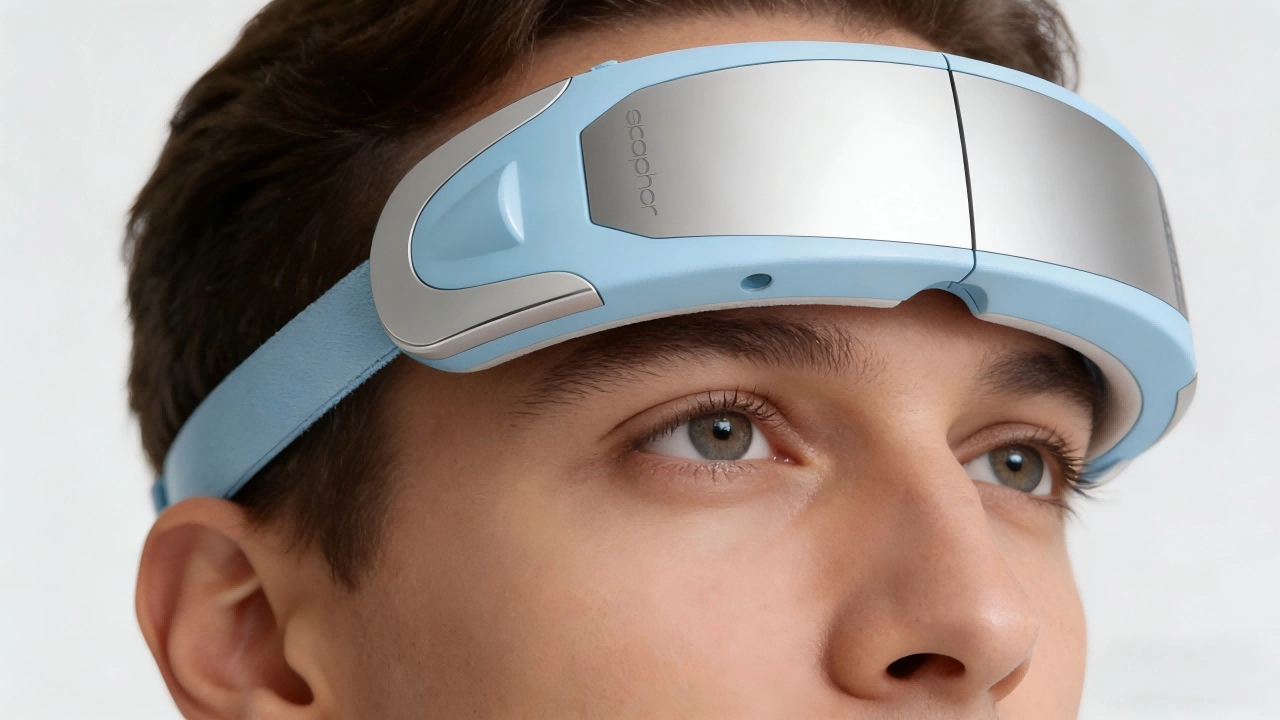
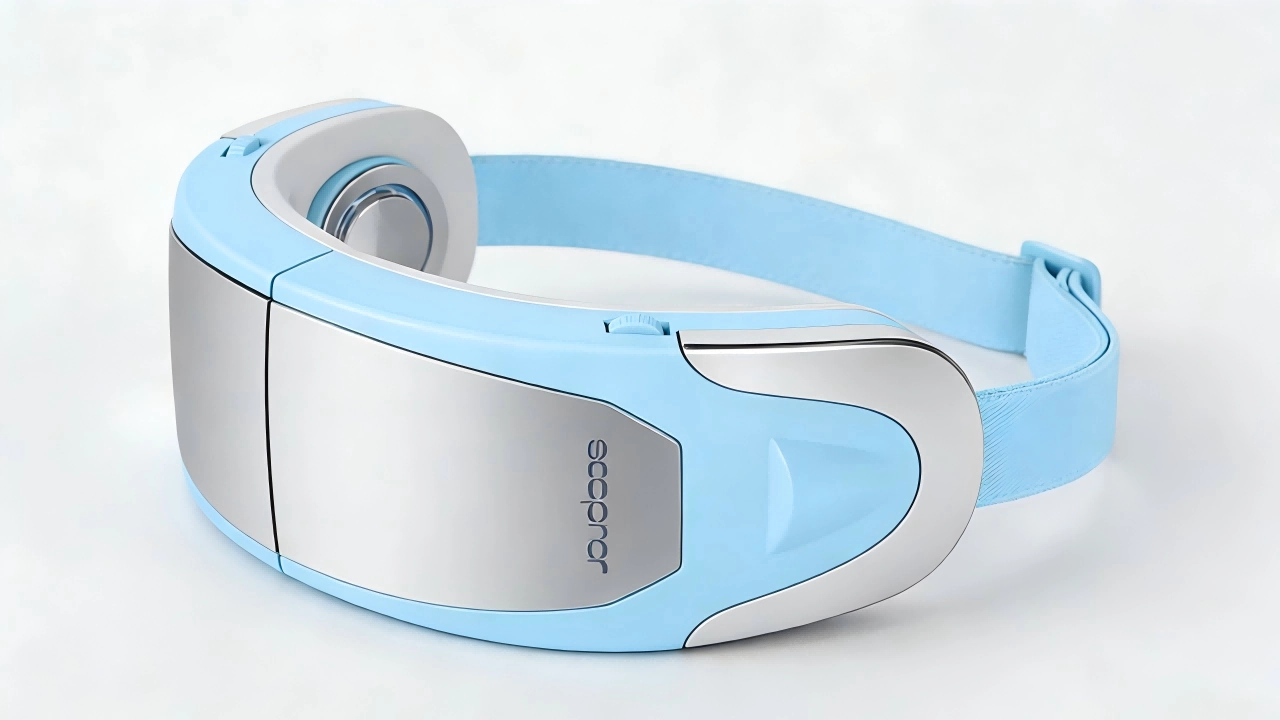
As a vision wellness device, Skaphor focuses on:
- Supporting stable visual function
- Helping manage modern visual demands
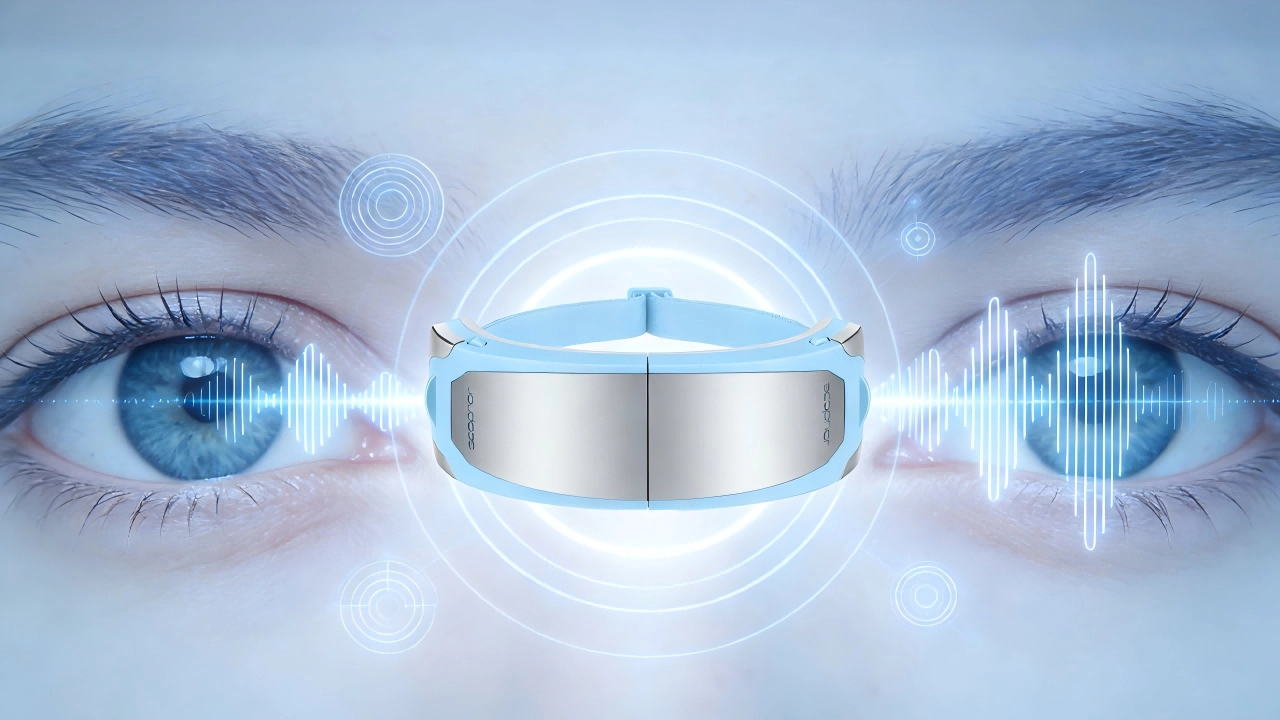
- Providing gentle, controlled, non-invasive visual support
It does not claim to treat or diagnose eye disease, and it is intended to operate strictly within non-medical boundaries.
7. Is an Eye Treatment Machine a Medical Device?
When asking “is an eye treatment machine a medical device?”, the answer depends on key criteria:
- Does it make medical claims?
- Is it intended for diagnosis or treatment of disease?
- Does it involve invasive procedures?
For most daily eye care devices, the answer is no.
Understanding the boundary between eye treatment machines and medical treatment is essential for responsible use.
Modern eye care devices are designed to support visual wellness, not to function as medical therapies. When used within their proper scope, they can play a valuable role in daily eye care—without creating confusion or unrealistic expectations.
Prdoucts Categories
Recommended for you
Eye Care Instruments: Why Skin-Contact Materials Matter More Than Specs
Eye Caring Instrument Design: Three Details That Matter Most
Why Ophthalmology Equipment Manufacturers Are Entering Non-Invasive Eye Care
How Eye Care Instruments Support Vision Training—Without Replacing It
Eye Massage to Improve Eyesight: Common Myths About Eye Fatigue Relief
Prdoucts Categories
Prdoucts Categories
FAQ
About Company
Do you have any overseas market access certificates?
We have obtained CE (MDD), FCC, ROHS, and EMC certificates and can assist in target market registration.
Do you accept factory inspection?
We support factory inspection and audit, you need to make an appointment in advance and sign a confidentiality agreement (provide a demonstration of GMP workshop and quality control process).
Technical Verification
What is the source of clinical data?
6-month double-blind trial report issued by the partner tertiary hospital (can be provided after signing the NDA).
About Skaphor
Where is Skaphor based and where do you ship?
We are based in Guangzhou, China, and our products are exported to over 30 countries worldwide, including the U.S., UK, Australia, South Korea, and many more.
About Products
What is the difference between Skaphor and other eye care devices?
Ordinary eye care device only massages the eye area, while Skaphor directly stimulates the visual cortex through 0-100Hz bio-optical signals (clinical effectiveness rate of 92%).
-
Contact Us for More Details
-
-
For custom designs, competitive pricing, or strategic partnerships, reach out to us. We'll get back to you promptly—usually within 24 hours.
-
Ruiheng Technology--Global Eye Protection Technology Innovator.
Contact Skaphor
Email: admin@skaphor.net
Address: Room 406, No. 101, Wanghu 1st Road, Baiyun District, Guangzhou, Guangdong Province, China.
© 2026 Skaphor. All Rights Reserved.
zhu Juliy
Skaphor_ Juliy