
Send My Projects Request
Why Are More Optometrists Focusing on Vision Training Devices—Not Just Eye Exams?
Friday, 01/9/2026
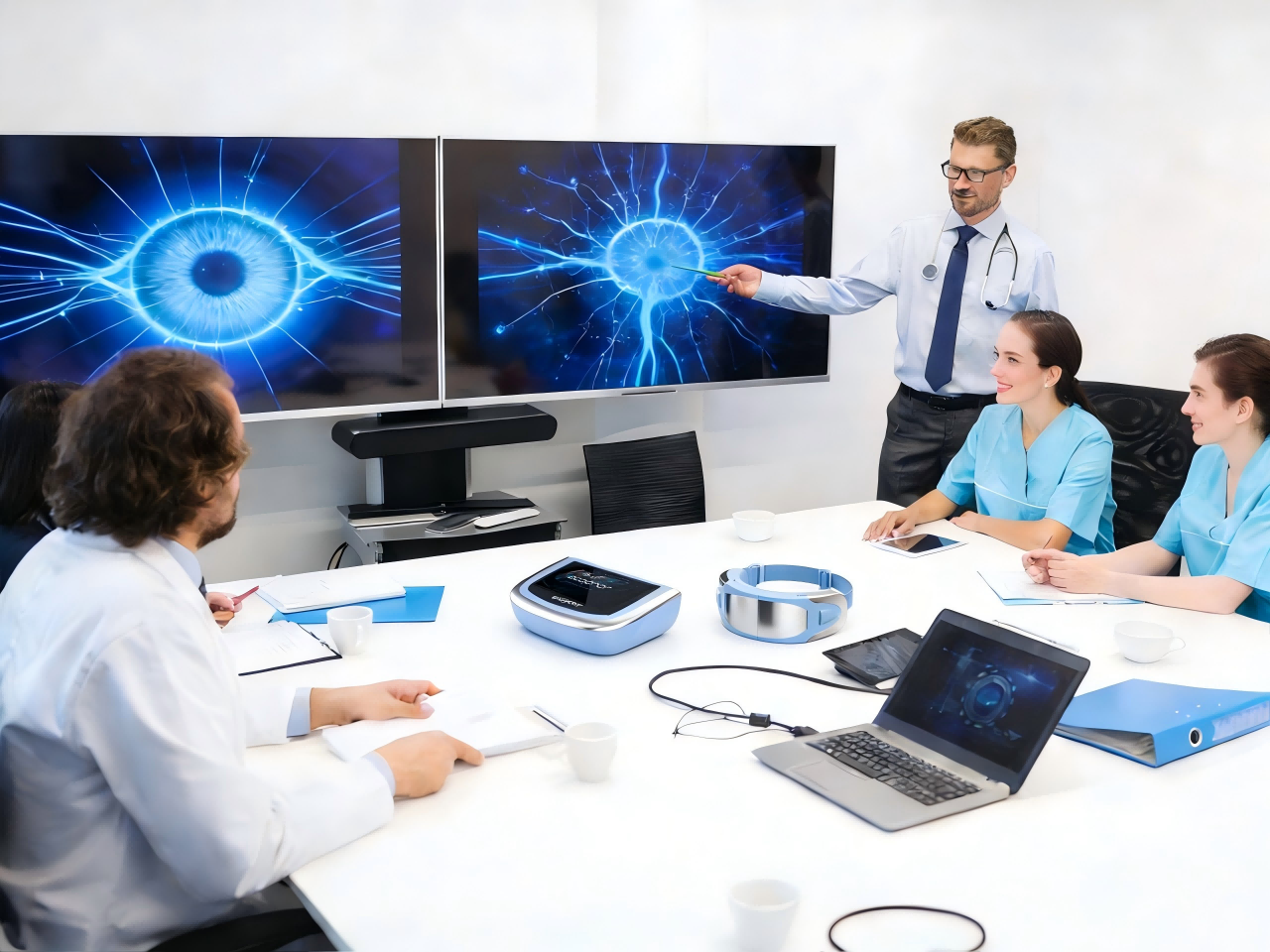
Traditionally, optometric practice has centered on examination, diagnosis, and correction. Eye exams, refraction, and structural assessments have long been the foundation of visual care. However, in recent years, a noticeable shift has emerged: more optometrists are paying attention to vision training devices, rather than relying solely on standard examinations.
This change reflects a deeper understanding of vision as a functional system. In this article, we explore why the role of the optometrist device is evolving, and how vision therapy instruments are becoming an important complement to conventional eye exams.
1. The Traditional Focus of Optometry: Assessment and Measurement
For decades, optometric tools have been designed to answer key questions such as:
- How clear is vision?
- Is refractive correction accurate?
- Are ocular structures healthy?
These tools are essential for detecting disease and establishing baseline visual status. However, they primarily describe what vision looks like at a single moment, not how the visual system performs over time.
2. When Normal Exam Results Do Not Explain Visual Complaints
In everyday practice, many optometrists encounter patients whose exams appear normal, yet who report:
- Visual fatigue
- Difficulty sustaining focus
- Slow recovery after visual tasks
These cases highlight a growing gap between static examination results and real-world visual experience. As a result, optometrists are increasingly interested in tools that address visual function, not just visual acuity.
3. Vision Is Being Reframed as a Functional System
Modern vision science recognizes that vision is an ongoing process involving:
- Sensory input
- Neural processing
- Binocular coordination
- Adaptation and rhythm
This shift has led to greater use of vision training devices and visual therapy equipment that support how the visual system operates during continuous use, rather than focusing solely on measurement outcomes.
4. Vision Training Devices vs. Eye Exams: Understanding the Difference
The distinction between examinations and training tools is fundamental:
- Eye exams assess current visual status
- Vision training devices support functional performance over time
This contrast reflects the broader concept of visual training vs eye exam—evaluation versus functional support. Both serve important roles, but they answer different clinical questions.
5. Why Non-Invasive Vision Therapy Is Gaining Attention
Among emerging approaches, non-invasive vision therapy has become particularly relevant.
Optometrists value non-invasive tools because they:
- Are suitable for repeated use
- Can be integrated into daily visual routines
- Present lower barriers to adoption
- Are applicable to a wide range of users, including adults
This explains the increasing interest in vision therapy instruments for adults, especially in screen-intensive environments.
6. How Optometrists View the Value of Vision Training Devices
For many practitioners, vision training devices are not replacements for exams, but extensions of them.
Using optometry tools for visual function, optometrists can better understand:
- How visual load accumulates
- How neural demand changes during use
- How visual recovery and adaptation occur
This allows clinical insight to move beyond isolated measurements toward a more dynamic understanding of vision.
7. The Industry Direction Represented by Skaphor
The approach represented by Skaphor aligns closely with this evolving perspective.
As an optometrist-recommended vision device, Skaphor does not aim to replace examinations. Instead, it offers a way to support visual function, neural rhythm, and system stability—factors increasingly recognized as essential in modern visual care.
This reflects the expanding role of vision therapy instruments within contemporary optometric practice.
The growing interest in vision training devices signals a broader shift in optometry—from asking “Is vision clear?” to “How well does the visual system function over time?”
Rather than replacing traditional exams, these tools complement them by addressing functional performance and long-term visual resilience. As vision care continues to evolve, the integration of training-oriented devices marks an important step toward more comprehensive visual management.
Prdoucts Categories
Recommended for you
Eye Care Instruments: Why Skin-Contact Materials Matter More Than Specs
Eye Caring Instrument Design: Three Details That Matter Most
Why Ophthalmology Equipment Manufacturers Are Entering Non-Invasive Eye Care

How Eye Care Instruments Support Vision Training—Without Replacing It

Eye Massage to Improve Eyesight: Common Myths About Eye Fatigue Relief
Prdoucts Categories
Prdoucts Categories
FAQ
About Bulk Order
Do you accept L/C payment?
Support TT/LC/AliPay/PayPal/Western Union, 30% deposit is required for the first order.
Marketing Support
Is there any joint promotion subsidy?
Annual purchases of more than 10,000 units can apply for a 50% rebate on advertising costs.
Technical Verification
How to ensure safety?
Built-in current/temperature triple protection system, passed GB9706.1-2020 medical electrical safety standards.
Customized Service (For OEM/ODM)
Is there a white-label version?
We offer a completely unbranded standard version of the solution, which is especially suitable for B-end customers such as medical chains and ophthalmology clinics for private label customization.
About Company
Do you have a medical device manufacturing license?
We hold a Class II Medical Device Manufacturing License issued by the Guangdong Pharmaceutical Administration (number can be verified).
-
Contact Us for More Details
-
-
For custom designs, competitive pricing, or strategic partnerships, reach out to us. We'll get back to you promptly—usually within 24 hours.
-
Ruiheng Technology--Global Eye Protection Technology Innovator.
Contact Skaphor
Email: admin@skaphor.net
Address: Room 406, No. 101, Wanghu 1st Road, Baiyun District, Guangzhou, Guangdong Province, China.
© 2026 Skaphor. All Rights Reserved.
zhu Juliy
Skaphor_ Juliy