
Send My Projects Request
Your Eyes Aren’t Diseased—So Why Do They Still Feel Tired?
Wednesday, 01/7/2026
Many people share the same frustrating experience: eye exams come back normal, there is no diagnosis of dry eye or obvious disease, yet the eyes still feel tired, tight, heavy, or uncomfortable—sometimes even affecting concentration.
This pattern is often dismissed as simple overuse. However, from a visual science perspective, such symptoms are frequently linked to functional vision problems, rather than structural eye disease.
In this article, we explore why eye fatigue without disease is more common than many realize—and why it deserves greater attention.

1. Why Do Eyes Feel Tired Even When Exams Are Normal?
In both clinical settings and everyday life, it is very common to hear: “Everything looks normal, but my eyes still feel exhausted.”
People with this experience typically show:
- Normal vision test results
- No clear signs of dry eye
- No inflammation or structural abnormalities
- Persistent fatigue, tightness, or visual discomfort
This is a classic example of eye fatigue without disease.
2. What Are Functional Vision Problems?
Functional vision problems do not mean that the eyes are damaged. Instead, they reflect how efficiently the visual system operates during use.
Vision is not a single action—it is a continuous process:
- Light enters the eyes
- The retina converts light into neural signals
- Signals travel through visual pathways
- The brain performs visual integration
When coordination, neural processing, or visual rhythm becomes imbalanced, discomfort can occur—even when standard eye exams appear normal.
3. Eye Discomfort Without Dry Eye Is More Common Than You Think
Many people assume that eye discomfort automatically equals dry eye. In reality, eye discomfort without dry eye is extremely common.
Typical signs include:
- Tight or pressured sensations
- Rapid fatigue during visual tasks
- Increased sensitivity to screens or light
- Limited relief after rest
These are recognized visual fatigue symptoms, not surface-level eye disease.
4. Common Eye Strain Causes in Functional Vision Issues
From a functional perspective, common eye strain causes include:
- Prolonged near-focus tasks
- Artificial lighting with strong contrast
- High-density digital content
- Frequent visual task switching
- Disrupted visual recovery rhythms
These factors increase neural workload without necessarily causing physical eye damage.
5. Why Does This Fatigue Often Become Chronic?
When functional vision problems are not identified early, they may evolve into chronic eye tiredness.
This often involves:
- Recurrent fatigue
- Slower recovery
- Reduced tolerance to visual tasks
- Diminishing benefits from rest alone
At this stage, the issue is no longer just “tired eyes,” but a visual system under persistent load.
6. Functional Vision Problems Are Not Eye Diseases
It is important to distinguish functional vision problems from eye disease.
These issues are about:
- How the visual system is used
- How neural processing is sustained
- Whether visual rhythm and recovery are supported
This explains a common question:
“Why do eyes feel tired even when the eye exam is normal?”
The answer often lies in function, not pathology.
7. From Diagnosis to System Understanding
When we move beyond the question of “Is there a disease?” and instead ask “How is the visual system functioning?”, many unexplained symptoms begin to make sense.
The distinction between functional vision vs eye disease highlights a broader shift in how visual health is understood today—especially in screen-intensive environments.
Eyes that feel tired without a clear diagnosis are not imaginary or insignificant. They often reflect eye discomfort without diagnosis, rooted in functional vision problems.
Recognizing this difference is a crucial step toward more informed, system-level eye care.
When attention shifts from detecting disease to understanding how vision actually works, meaningful improvement becomes possible.
Prdoucts Categories
Recommended for you
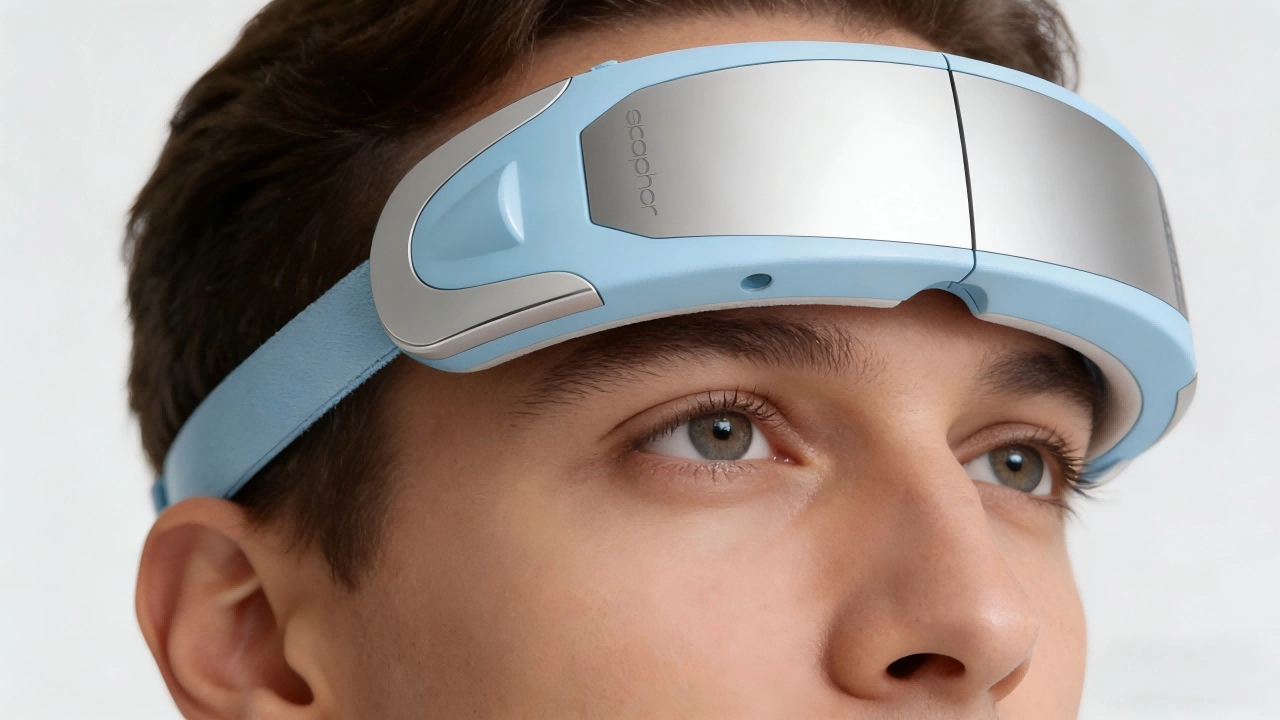
Eye Care Instruments: Why Skin-Contact Materials Matter More Than Specs
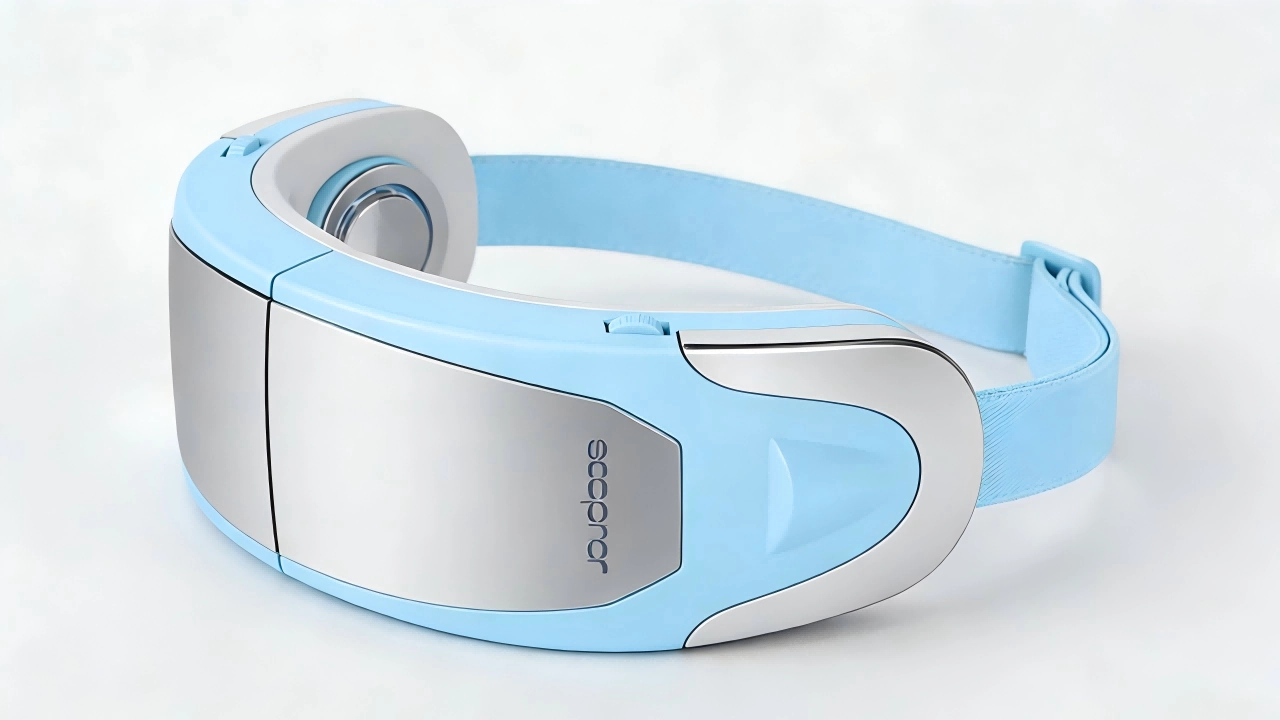
Eye Caring Instrument Design: Three Details That Matter Most
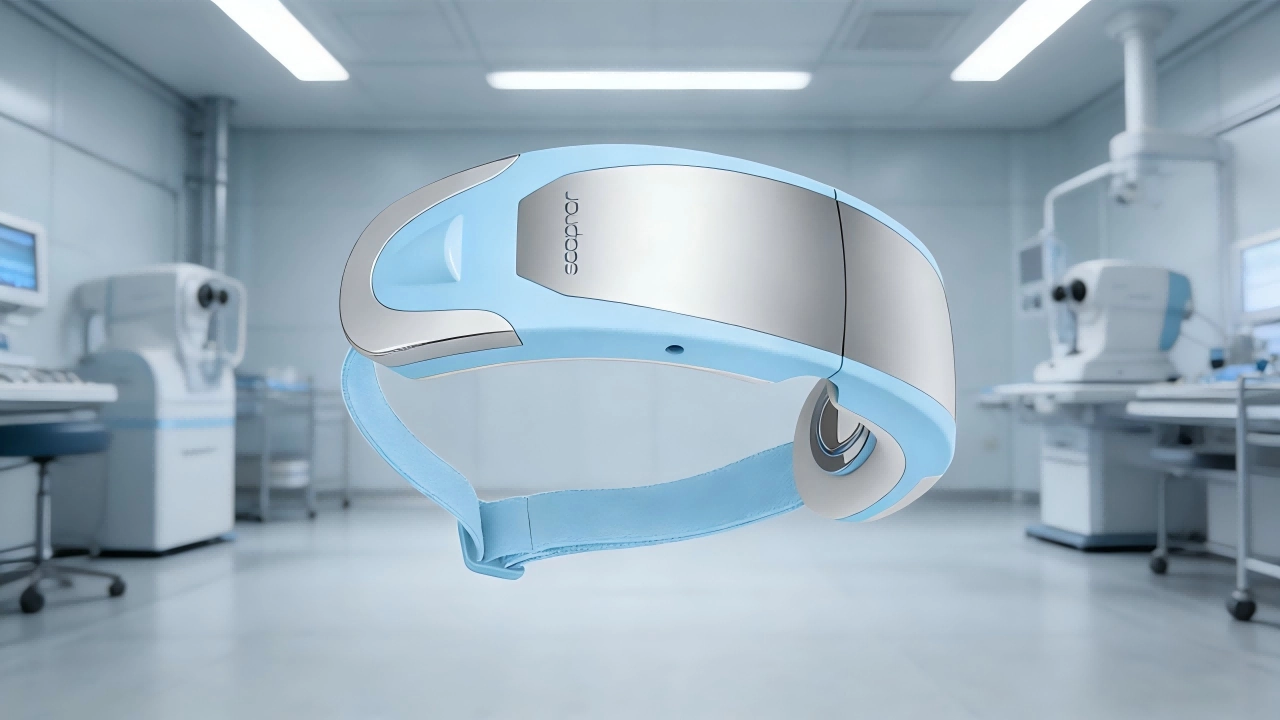
Why Ophthalmology Equipment Manufacturers Are Entering Non-Invasive Eye Care
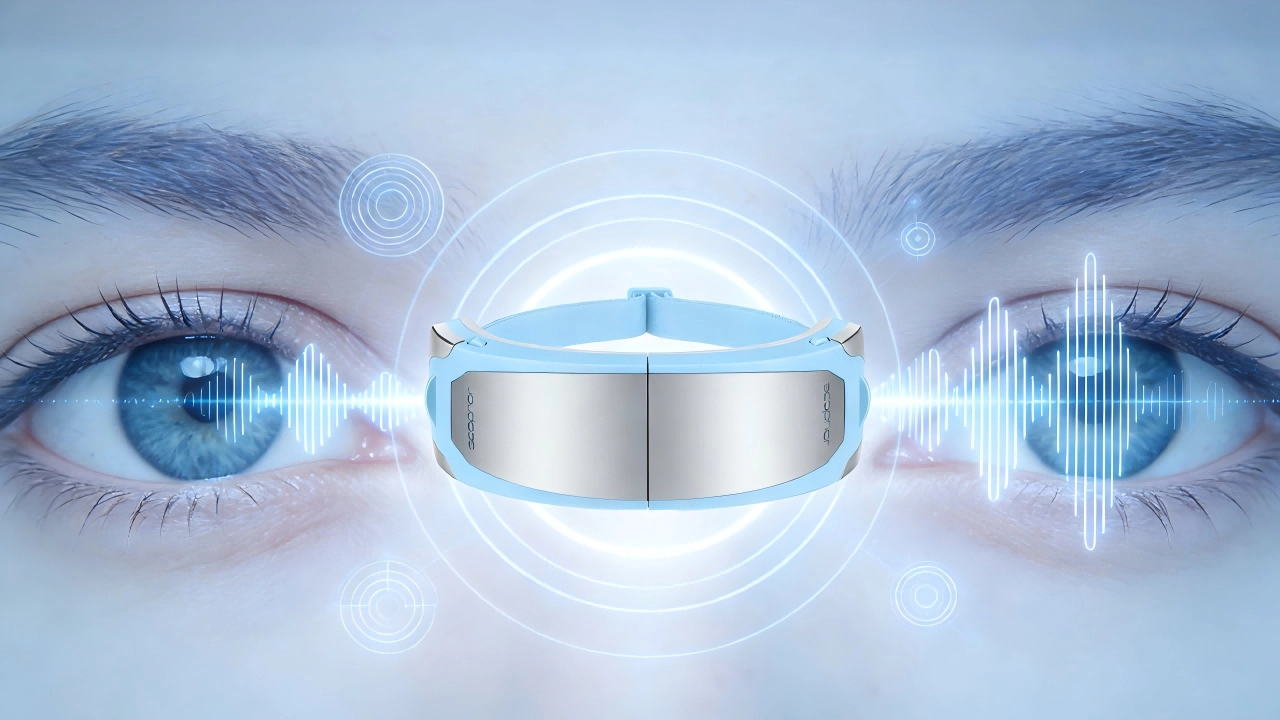
How Eye Care Instruments Support Vision Training—Without Replacing It

Eye Massage to Improve Eyesight: Common Myths About Eye Fatigue Relief
Prdoucts Categories
Prdoucts Categories
FAQ
Marketing Support
Is there any joint promotion subsidy?
Annual purchases of more than 10,000 units can apply for a 50% rebate on advertising costs.
Logistics and Customs Clearance
Does it support cross-border logistics?
We provide CIF service, and we have exported to Japan and Korea/EU/Middle East/Asia and other markets.
Technical Verification
What is the source of clinical data?
6-month double-blind trial report issued by the partner tertiary hospital (can be provided after signing the NDA).
About Products
What is the difference between Skaphor and other eye care devices?
Ordinary eye care device only massages the eye area, while Skaphor directly stimulates the visual cortex through 0-100Hz bio-optical signals (clinical effectiveness rate of 92%).
About Bulk Order
Do you accept L/C payment?
Support TT/LC/AliPay/PayPal/Western Union, 30% deposit is required for the first order.
-
Contact Us for More Details
-
-
For custom designs, competitive pricing, or strategic partnerships, reach out to us. We'll get back to you promptly—usually within 24 hours.
-
Ruiheng Technology--Global Eye Protection Technology Innovator.
Contact Skaphor
Email: admin@skaphor.net
Address: Room 406, No. 101, Wanghu 1st Road, Baiyun District, Guangzhou, Guangdong Province, China.
© 2026 Skaphor. All Rights Reserved.
zhu Juliy
Skaphor_ Juliy