
Send My Projects Request
can eyesight improve?
Wednesday, 01/7/2026
This guide answers key questions for eye care professionals on purchasing equipment, covering budgeting, supplier selection, equipment types, and maintenance considerations.
Comprehensive Guide to Purchasing Eye Care Equipment: Addressing Common Questions
As an eye care professional, selecting the right equipment is crucial for providing optimal patient care. This guide addresses common questions to assist you in making informed purchasing decisions.
1. What are the essential pieces of equipment for an eye care practice?
Essential equipment includes:
- Exam Chair and Instrument Stand: For patient comfort and equipment organization.
- Slit Lamp: For detailed examination of the eye's anterior segment.
- Tonometer: To measure intraocular pressure.
- Phoropter: For refraction assessments.
- Visual Acuity System: To determine clarity of vision.
- Binocular Indirect Ophthalmoscope: For retinal examination.
- Autorefractor: To automate refraction measurements.
- Pachymeter: For corneal thickness measurement.
- Visual Field Perimeter: To assess peripheral vision.
- Optical Coherence Tomographer (OCT): For detailed retinal imaging.
These tools are fundamental for comprehensive eye examinations.
2. How should I budget for purchasing eye care equipment?
When budgeting, consider:
- Initial Costs: Prices vary based on equipment type and brand. For example, slit lamps range from $3,000 to $15,000, while OCT systems can cost between $30,000 and $100,000.
- Additional Expenses: Include accessories, spare parts, consumables, maintenance, and user training. It's advisable to allocate 3-6% of the purchase price annually for maintenance.
- Financing Options: Explore leasing or refurbished equipment to reduce initial expenditures. Ensure refurbished units are inspected and recalibrated.
3. How do I select a reliable supplier for eye care equipment?
To choose a trustworthy supplier:
- Research: Identify suppliers offering the required equipment and request up-to-date catalogs or price lists.
- Evaluate: Assess product quality, warranty terms, and after-sales support.
- References: Seek feedback from other professionals who have used the supplier's products.
- Demonstrations: Request product demonstrations to evaluate functionality and ease of use.
4. What factors should I consider when choosing specific eye care equipment?
Key considerations include:
- Accuracy and Calibration: Ensure devices meet ISO or FDA standards and have regular calibration requirements.
- User Interface: Opt for intuitive controls to minimize training time.
- EHR Integration: Check compatibility with existing electronic health record systems.
- Patient Throughput: Consider devices with fast acquisition times for efficient patient flow.
- Portability: For outreach programs, select handheld or compact models.
- Software Updates: Verify if firmware upgrades are included or require additional fees.
5. How do I ensure proper maintenance and support for my equipment?
To maintain equipment effectively:
- Service Agreements: Review warranty length, preventive maintenance schedules, and costs beyond the first year.
- Training: Ensure staff are trained in equipment use and basic troubleshooting.
- Support: Confirm the availability of technical support and access to service manuals.
6. What are the current trends in eye care equipment?
Current trends include:
- Digitalization: Integration of AI-powered retinal scanners and portable slit lamps for remote diagnostics.
- EHR Integration: Streamlined workflows through electronic health record system compatibility.
- Market Growth: The global ophthalmic equipment market is projected to reach $64.7 billion by 2028, driven by aging populations and rising diabetes-related eye disorders.
7. How can I maximize the value of my equipment investment?
To optimize your investment:
- Prioritize Needs: Focus on essential equipment first, upgrading as the practice grows.
- Evaluate ROI: Conduct a return on investment analysis to ensure equipment contributes positively to practice revenue.
- Stay Informed: Keep abreast of technological advancements to make timely upgrades.
8. What are the advantages of choosing Skaphor for eye care equipment?
Skaphor offers:
- Quality Assurance: Products meet international standards for accuracy and reliability.
- Comprehensive Support: Provides extensive training and after-sales service.
- Innovative Solutions: Offers cutting-edge technology to enhance diagnostic capabilities.
By considering these factors, you can make informed decisions that enhance your practice's efficiency and patient care.
Note: The information provided is based on current industry standards and may vary based on specific equipment models and suppliers.
Prdoucts Categories
Recommended for you
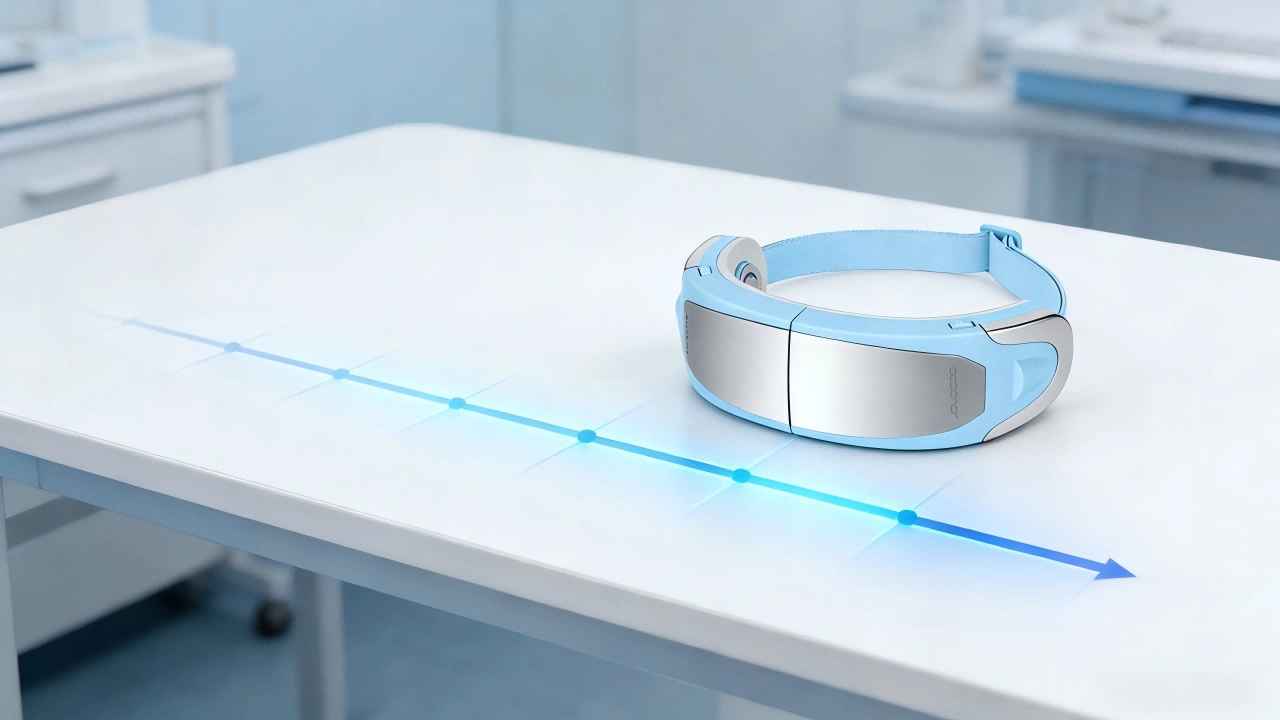
Seeing Clearly ≠ Seeing Comfortably: Why Visual Endurance Is Gaining Medical Attention
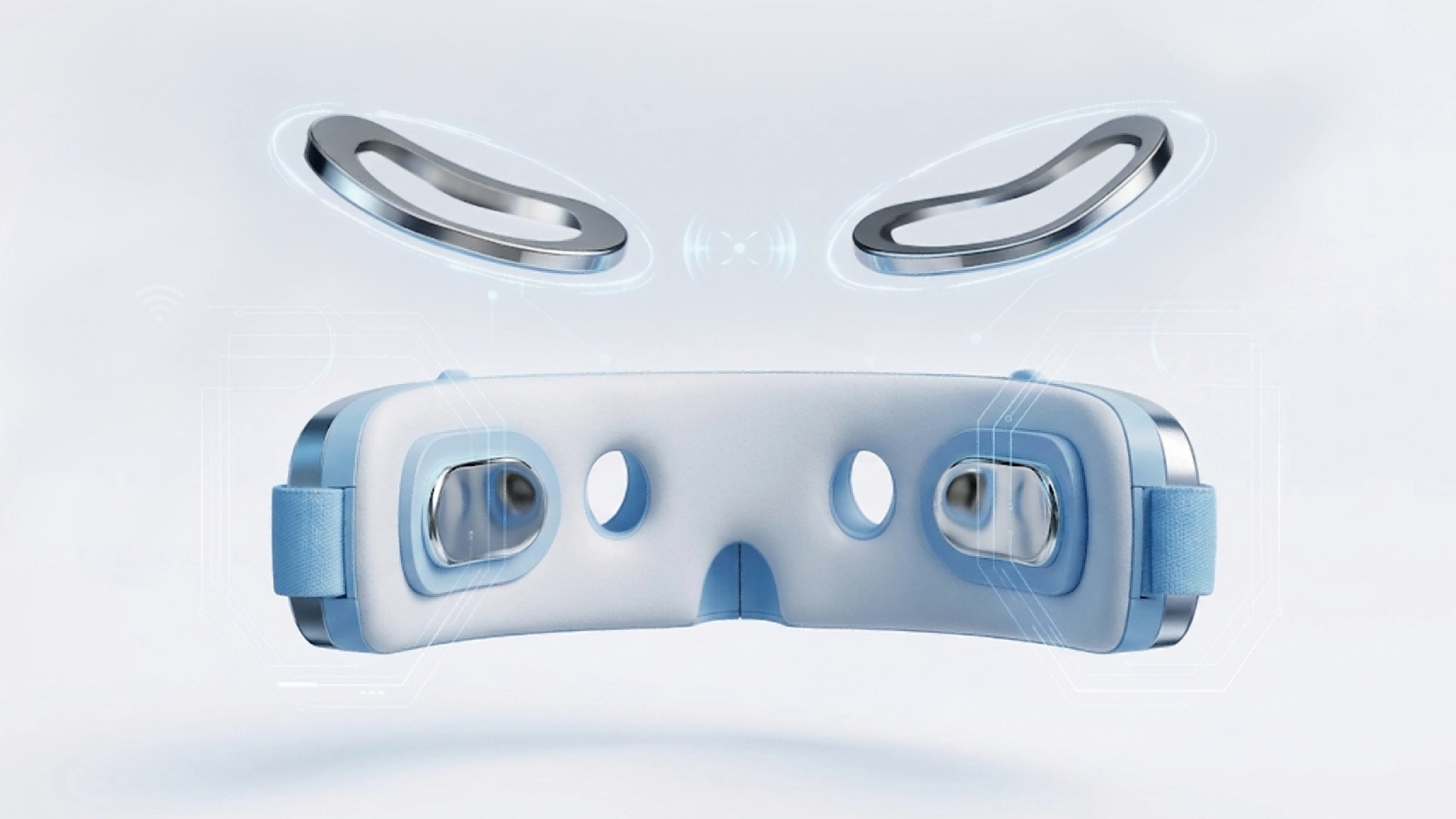
What Is Magnetic Electrode Design? A New Trend in Eye Care Devices
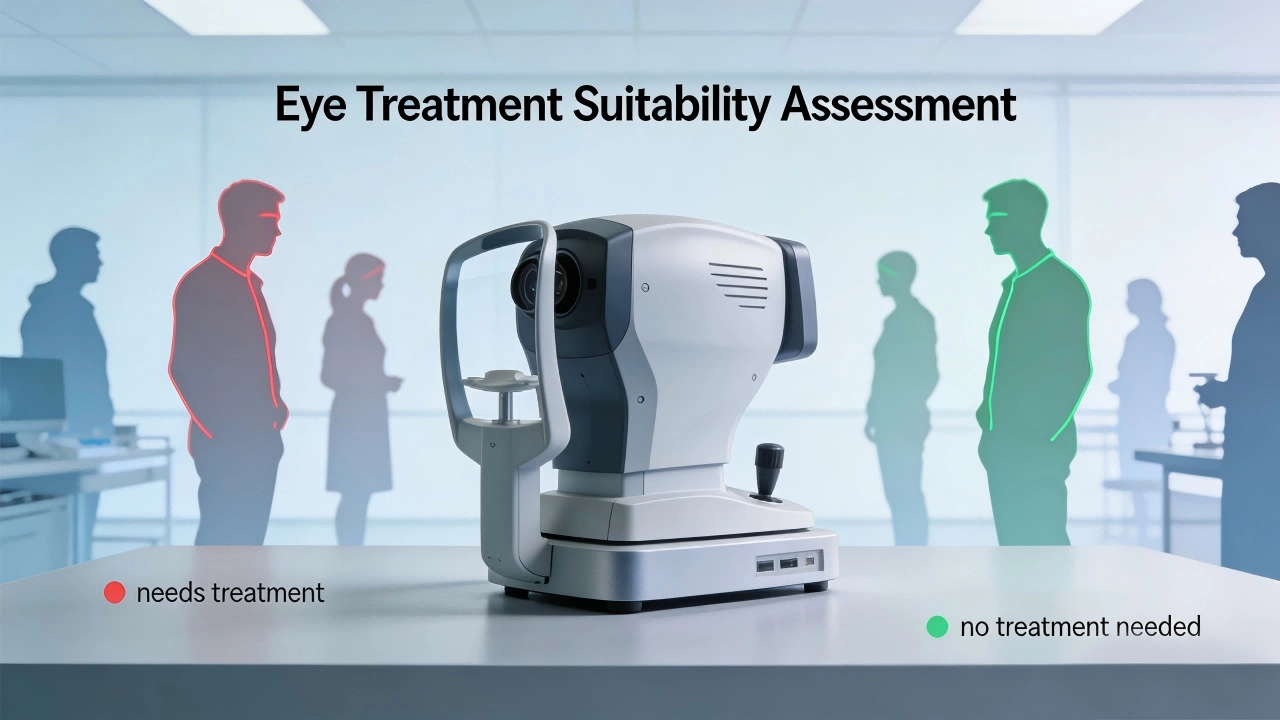
Are Eye Treatment Machines Suitable for Everyone?
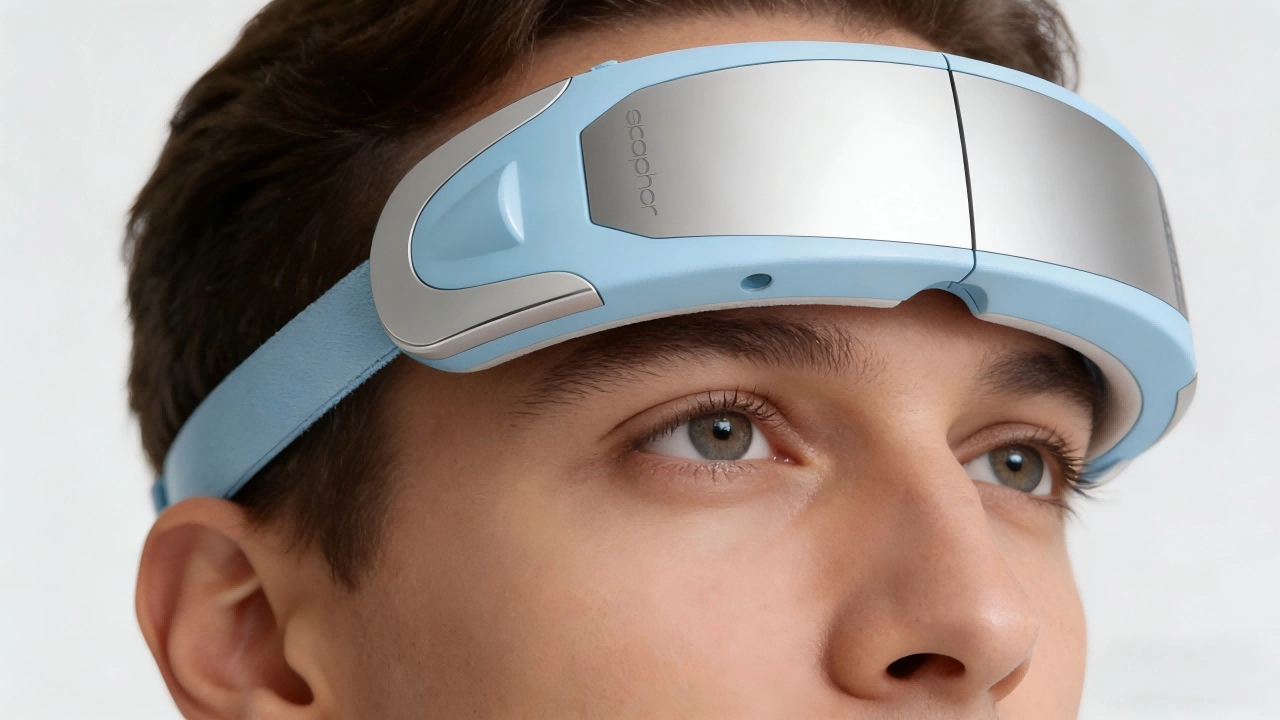
Eye Care Instruments: Why Skin-Contact Materials Matter More Than Specs
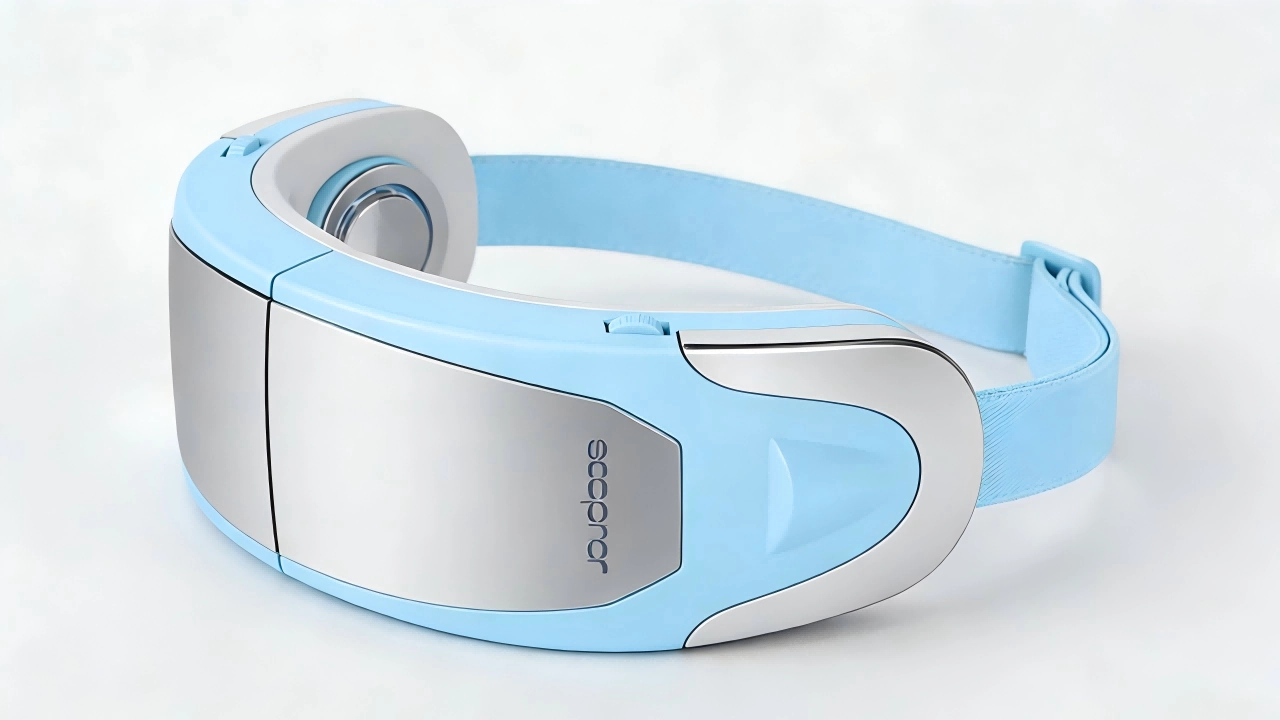
Eye Caring Instrument Design: Three Details That Matter Most
Prdoucts Categories
Prdoucts Categories
FAQ
About Skaphor
Are your eye therapy devices medically certified?
Yes, our products comply with international standards such as CE, FDA registration, and ISO certifications. We strictly follow quality management systems to ensure safety, performance, and reliability.
Logistics and Customs Clearance
Can the package be labeled in the customer's country?
Multi-language labeling is supported (compliance text and location drawings must be provided).
How long is the delivery cycle?
20 days delivery after placing order (including quality inspection).
After-sales Support (For B2B Service)
Do you provide after-sales spare parts inventory?
For VIP customers to keep three per thousand of the order quantity of spare machine inventory (free hosting for 1 year).
About Company
Do you accept factory inspection?
We support factory inspection and audit, you need to make an appointment in advance and sign a confidentiality agreement (provide a demonstration of GMP workshop and quality control process).
-
Contact Us for More Details
-
-
For custom designs, competitive pricing, or strategic partnerships, reach out to us. We'll get back to you promptly—usually within 24 hours.
-
Ruiheng Technology--Global Eye Protection Technology Innovator.
Contact Skaphor
Email: admin@skaphor.net
Address: Room 406, No. 101, Wanghu 1st Road, Baiyun District, Guangzhou, Guangdong Province, China.
© 2026 Skaphor. All Rights Reserved.
zhu Juliy
Skaphor_ Juliy