
Send My Projects Request
how to improve vision?
Tuesday, 01/6/2026
Explore essential factors to consider when purchasing eye care equipment, including budgeting, supplier selection, equipment evaluation, and post-purchase support, to ensure optimal investment and patient care.
Comprehensive Guide to Purchasing Eye Care Equipment: Key Considerations and Expert Insights
When it comes to enhancing vision and improving eyesight, selecting the right eye care equipment is crucial. This guide addresses common questions and provides expert insights to assist eye care professionals in making informed purchasing decisions.
1. What are the essential pieces of eye care equipment for a comprehensive practice?
A well-equipped eye care practice should include:
- Exam Chair and Instrument Stand: For patient comfort and equipment organization.
- Slit Lamp: For detailed examination of the anterior segment of the eye.
- Tonometer: To measure intraocular pressure, aiding in glaucoma detection.
- Phoropter: For determining refractive errors and prescribing corrective lenses.
- Visual Acuity System: To assess the sharpness of vision.
- Binocular Indirect Ophthalmoscope: For comprehensive retinal examination.
- Autorefractor: To automate the measurement of refractive errors.
- Pachymeter: To measure corneal thickness, important in glaucoma management.
- Visual Field Perimeter: To assess the full field of vision.
- Optical Coherence Tomographer (OCT): For detailed imaging of retinal structures.
These tools are fundamental in providing comprehensive eye care services.
2. How should I budget for purchasing eye care equipment?
Budgeting for eye care equipment involves:
- Initial Purchase Price: Consider the cost of the equipment, including any applicable taxes and shipping fees.
- Additional Costs: Account for accessories, spare parts, consumables, maintenance, and user training.
- Ongoing Expenses: Plan for annual maintenance costs, typically 3-6% of the purchase price.
It's advisable to order enough consumables and spare parts for at least one year to ensure uninterrupted service.
3. What factors should I consider when selecting a supplier for eye care equipment?
When choosing a supplier, consider:
- Reputation and Reliability: Research the supplier's history and customer feedback.
- Product Quality and Certification: Ensure equipment meets industry standards and certifications.
- After-Sales Support: Evaluate the availability of maintenance services, training, and warranty terms.
- Cost and Financing Options: Compare prices and inquire about financing or leasing options.
Engaging with multiple suppliers and requesting demonstrations can aid in making an informed decision.
4. How do I assess the quality and suitability of eye care equipment?
To evaluate equipment:
- Technical Specifications: Review accuracy, calibration standards, and compatibility with existing systems.
- User Interface: Ensure the equipment is user-friendly and integrates seamlessly with your practice's workflow.
- Patient Comfort: Consider how the equipment affects patient experience during examinations.
- Maintenance Requirements: Understand the maintenance needs and availability of service technicians.
Prioritizing equipment that enhances diagnostic capabilities and patient care is essential.
5. What are the advantages of purchasing refurbished eye care equipment?
Purchasing refurbished equipment offers:
- Cost Savings: Reduced initial investment compared to new equipment.
- Environmental Benefits: Contributing to sustainability by reusing equipment.
However, it's crucial to verify the equipment's condition, calibration status, and remaining warranty. Ensure the supplier provides a comprehensive service agreement and support.
6. How can I ensure the equipment integrates well with my existing systems?
To ensure compatibility:
- Check Integration Capabilities: Confirm that the new equipment can integrate with your existing Electronic Health Record (EHR) system.
- Assess Space and Infrastructure: Evaluate whether your practice has the necessary space and infrastructure to accommodate the new equipment.
- Plan for Training: Ensure that staff receive adequate training on the new equipment to maintain workflow efficiency.
Proper planning and assessment can facilitate a smooth integration process.
7. What are the current market trends in eye care equipment?
Current trends include:
- Digitalization: The adoption of digital tools and AI-powered devices for diagnostics.
- Portability: Development of portable and handheld devices for remote diagnostics.
- Integration: Seamless integration of equipment with EHR systems to streamline workflows.
Staying informed about these trends can help in selecting equipment that aligns with future advancements.
8. How can I finance the purchase of eye care equipment?
Financing options include:
- Leasing: Allows for lower upfront costs and potential tax benefits.
- Loans: Traditional bank loans with fixed repayment terms.
- Manufacturer Financing: Some manufacturers offer financing plans with favorable terms.
It's advisable to consult with a financial advisor to determine the best financing option for your practice.
Conclusion: Why Choose Skaphor for Your Eye Care Equipment Needs?
Skaphor stands out as a leading provider of high-quality eye care equipment, offering:
- Comprehensive Product Range: A wide selection of equipment to meet diverse practice needs.
- Competitive Pricing: Affordable options without compromising on quality.
- Exceptional Customer Support: Dedicated assistance throughout the purchasing process and beyond.
Choosing Skaphor ensures that your practice is equipped with reliable and advanced tools to provide optimal patient care.
By considering these factors and leveraging expert insights, eye care professionals can make informed decisions when purchasing equipment, leading to enhanced practice efficiency and improved patient outcomes.
Prdoucts Categories
Recommended for you
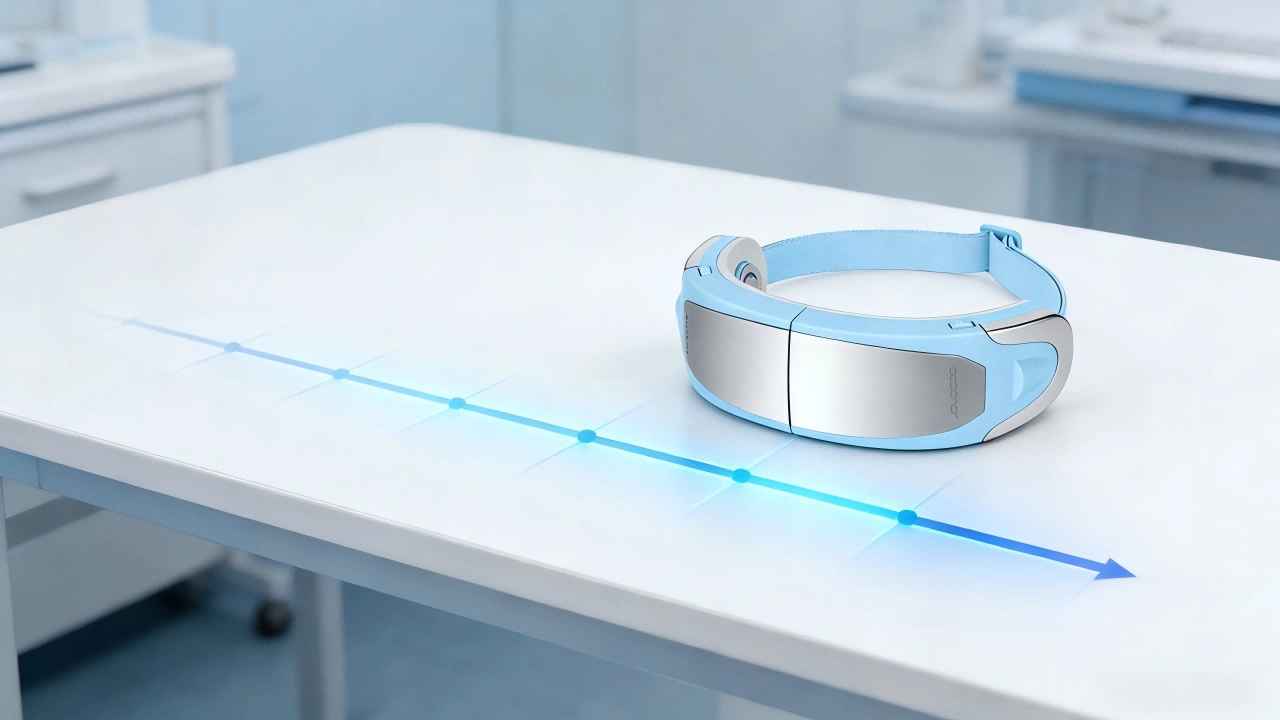
Seeing Clearly ≠ Seeing Comfortably: Why Visual Endurance Is Gaining Medical Attention
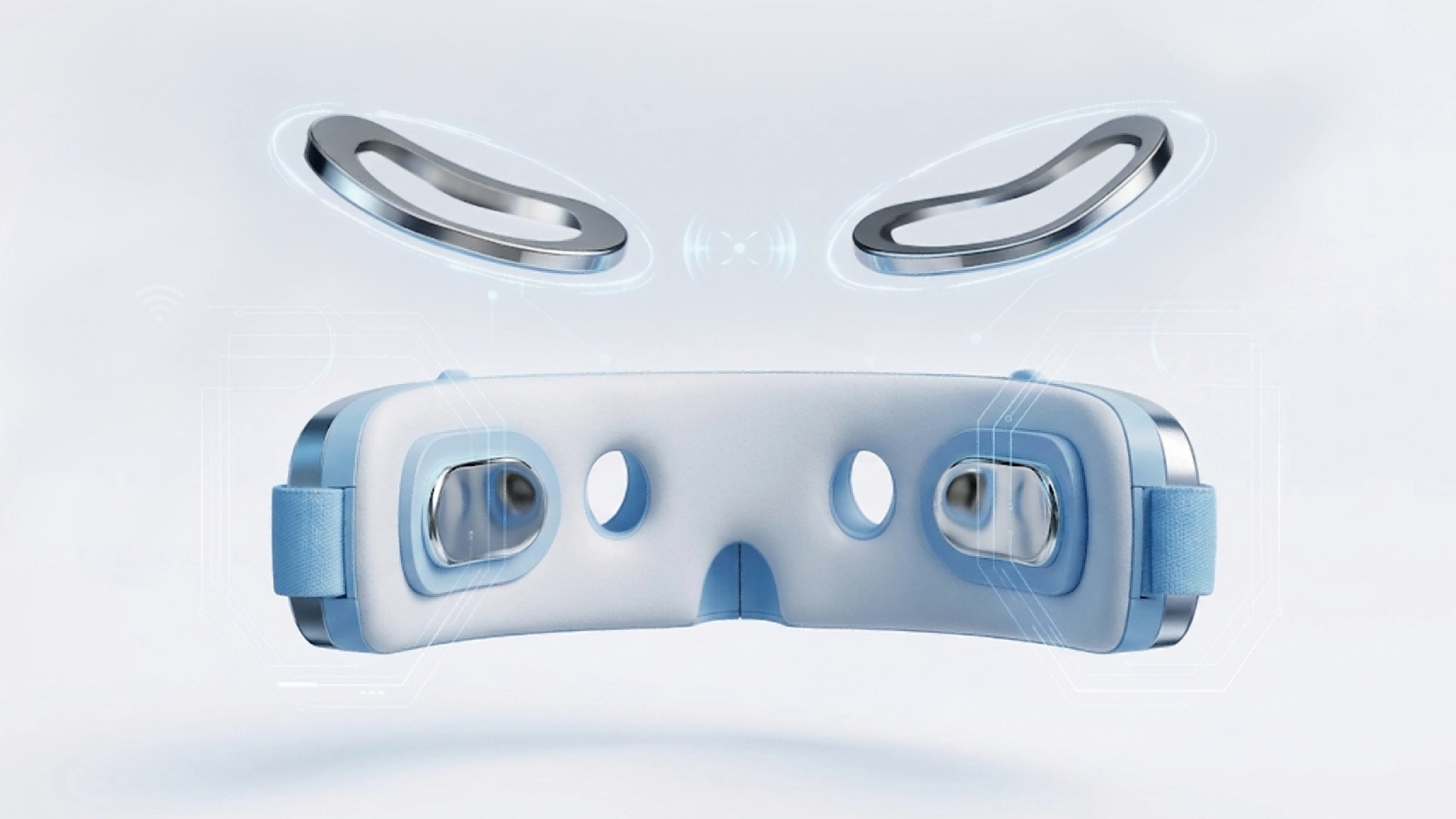
What Is Magnetic Electrode Design? A New Trend in Eye Care Devices
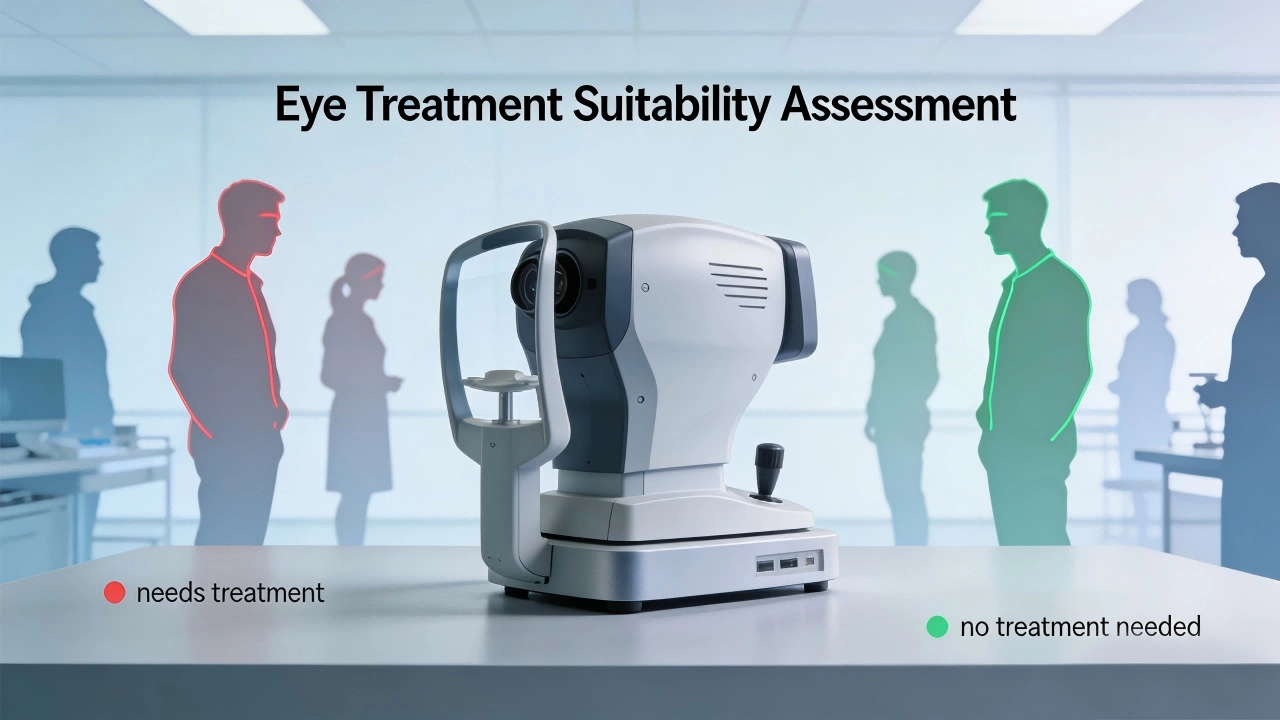
Are Eye Treatment Machines Suitable for Everyone?
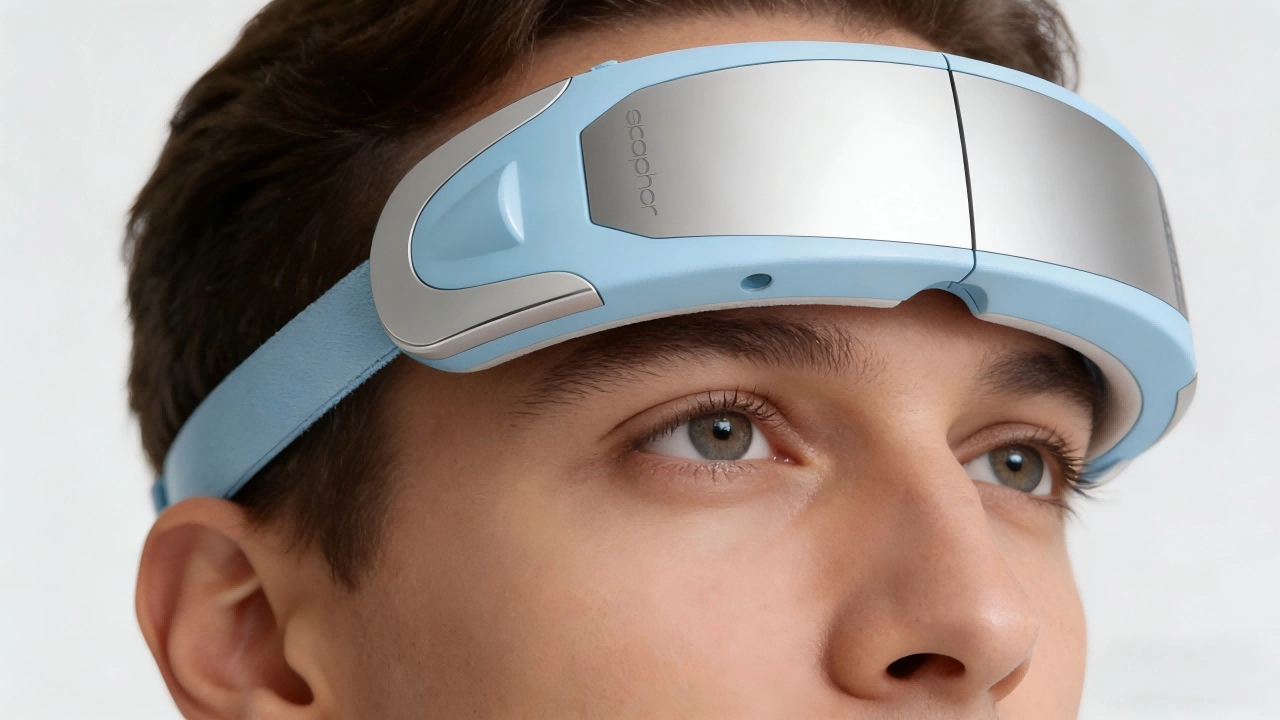
Eye Care Instruments: Why Skin-Contact Materials Matter More Than Specs
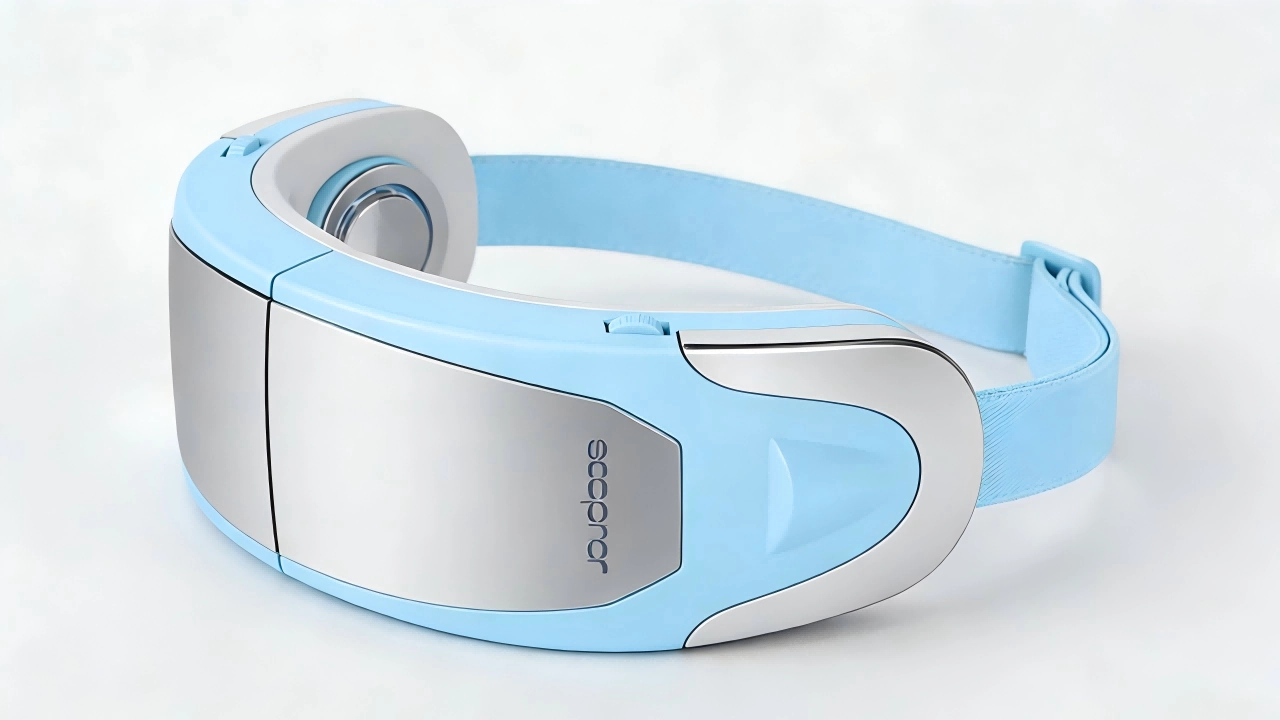
Eye Caring Instrument Design: Three Details That Matter Most
Prdoucts Categories
Prdoucts Categories
FAQ
About Products
What is the difference between Skaphor and other eye care devices?
Ordinary eye care device only massages the eye area, while Skaphor directly stimulates the visual cortex through 0-100Hz bio-optical signals (clinical effectiveness rate of 92%).
About Company
Do you accept factory inspection?
We support factory inspection and audit, you need to make an appointment in advance and sign a confidentiality agreement (provide a demonstration of GMP workshop and quality control process).
Logistics and Customs Clearance
How to guarantee the breakage rate?
We promise that the defective rate will be ≥99.5%, otherwise, we will make up for the defective rate proportionally.
Customized Service (For OEM/ODM)
What is the minimum order quantity for ODM?
Hardware customization starts at 1000 units, and software UI customization starts at 100 units.
Is there a white-label version?
We offer a completely unbranded standard version of the solution, which is especially suitable for B-end customers such as medical chains and ophthalmology clinics for private label customization.
-
Contact Us for More Details
-
-
For custom designs, competitive pricing, or strategic partnerships, reach out to us. We'll get back to you promptly—usually within 24 hours.
-
Ruiheng Technology--Global Eye Protection Technology Innovator.
Contact Skaphor
Email: admin@skaphor.net
Address: Room 406, No. 101, Wanghu 1st Road, Baiyun District, Guangzhou, Guangdong Province, China.
© 2026 Skaphor. All Rights Reserved.
zhu Juliy
Skaphor_ Juliy