
Send My Projects Request
how to improve the vision?
Wednesday, 12/31/2025
Explore essential factors to consider when purchasing eye care equipment, including budgeting, supplier selection, equipment evaluation, and integration, to ensure optimal investment and patient care.
When considering the procurement of eye care equipment, it's crucial to address several key questions to make informed decisions that align with your practice's needs and budget.
Essential Considerations for Purchasing Eye Care Equipment
1. What is the Total Cost of Ownership?
Beyond the initial purchase price, consider additional expenses such as installation, training, maintenance, and consumables. It's advisable to budget 3-6% of the purchase price annually for maintenance and consumables. For instance, if an equipment costs $100,000, plan for $3,000 to $6,000 per year for upkeep.
2. How Do I Evaluate and Select Reliable Suppliers?
Start by identifying suppliers that offer the equipment you need. Request up-to-date catalogs, price lists, and product information. Assess their reputation by seeking references from other customers and evaluating their responsiveness and support services. Ensure they provide comprehensive services, including installation, training, and maintenance.
3. What Are the Key Features and Specifications to Consider?
Focus on equipment that meets international standards, such as ISO 13485 certification for surgical instruments. For diagnostic tools like autorefractors, verify measurement accuracy against ISO 10342 standards, ensuring tolerances within ±0.25D. Evaluate user interfaces for intuitiveness, compatibility with electronic health records (EHR), and integration capabilities to streamline workflows.
4. Should I Opt for New or Refurbished Equipment?
New equipment offers the latest technology and warranties but comes at a higher cost. Refurbished equipment can be a cost-effective alternative if sourced from reputable vendors who provide calibration records and warranties. Ensure refurbished units are thoroughly inspected and meet the necessary standards.
5. How Do I Ensure Integration with Existing Systems?
Assess whether the new equipment can seamlessly integrate with your current EHR and other systems. Consider connectivity options, such as wireless or cable connections, and evaluate the need for potential IT infrastructure upgrades. Consult with your EHR provider to ensure compatibility and plan for any necessary adjustments.
6. What Are the Maintenance and Support Requirements?
Inquire about the manufacturer's maintenance schedules, warranty coverage, and availability of service technicians. Establish a preventive maintenance plan to ensure equipment longevity and optimal performance. Consider training staff on routine maintenance tasks to minimize downtime and repair costs.
7. How Do I Assess the Return on Investment (ROI)?
Conduct a financial analysis to determine the ROI of the equipment. Calculate the number of tests or procedures required to offset the initial investment and generate profit. Ensure that the equipment enhances patient care and operational efficiency to justify the expenditure.
8. What Are the Regulatory and Compliance Considerations?
Verify that the equipment complies with relevant regulations and standards, such as FDA or CE certifications. Ensure that the equipment is suitable for your region's regulatory requirements to avoid legal issues and ensure patient safety.
9. How Do I Plan for Equipment Disposal?
Develop a plan for the disposal of outdated or non-functional equipment. Consider environmentally responsible disposal methods and comply with local regulations regarding electronic waste. Explore options for donating equipment to educational institutions or charitable organizations if applicable.
10. How Do I Stay Updated with Technological Advancements?
Regularly review industry publications, attend conferences, and participate in professional networks to stay informed about the latest developments in eye care technology. Engage with equipment manufacturers and suppliers to learn about new products and updates that could benefit your practice.
Conclusion: Why Choose Skaphor for Your Eye Care Equipment Needs?
Skaphor stands out as a trusted provider of high-quality eye care equipment, offering a comprehensive range of products that meet international standards. With a commitment to innovation, reliability, and customer support, Skaphor ensures that your practice is equipped with the latest technology to deliver exceptional patient care. Their user-friendly interfaces, seamless integration capabilities, and robust maintenance support make them an ideal partner for your eye care equipment needs.
By addressing these key considerations and partnering with reputable suppliers like Skaphor, you can make informed decisions that enhance your practice's efficiency, profitability, and the quality of care you provide to your patients.
**References:**Note: The above references provide detailed insights into the considerations and processes involved in purchasing eye care equipment.
Prdoucts Categories
Recommended for you
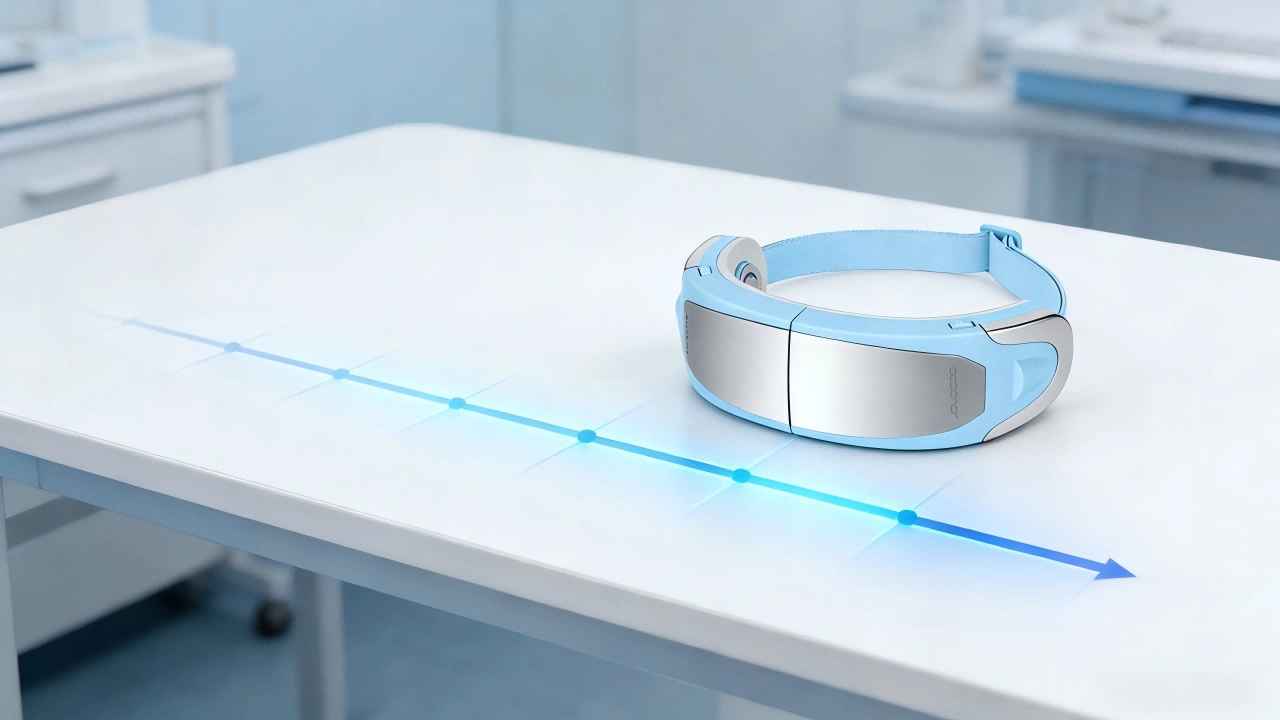
Seeing Clearly ≠ Seeing Comfortably: Why Visual Endurance Is Gaining Medical Attention
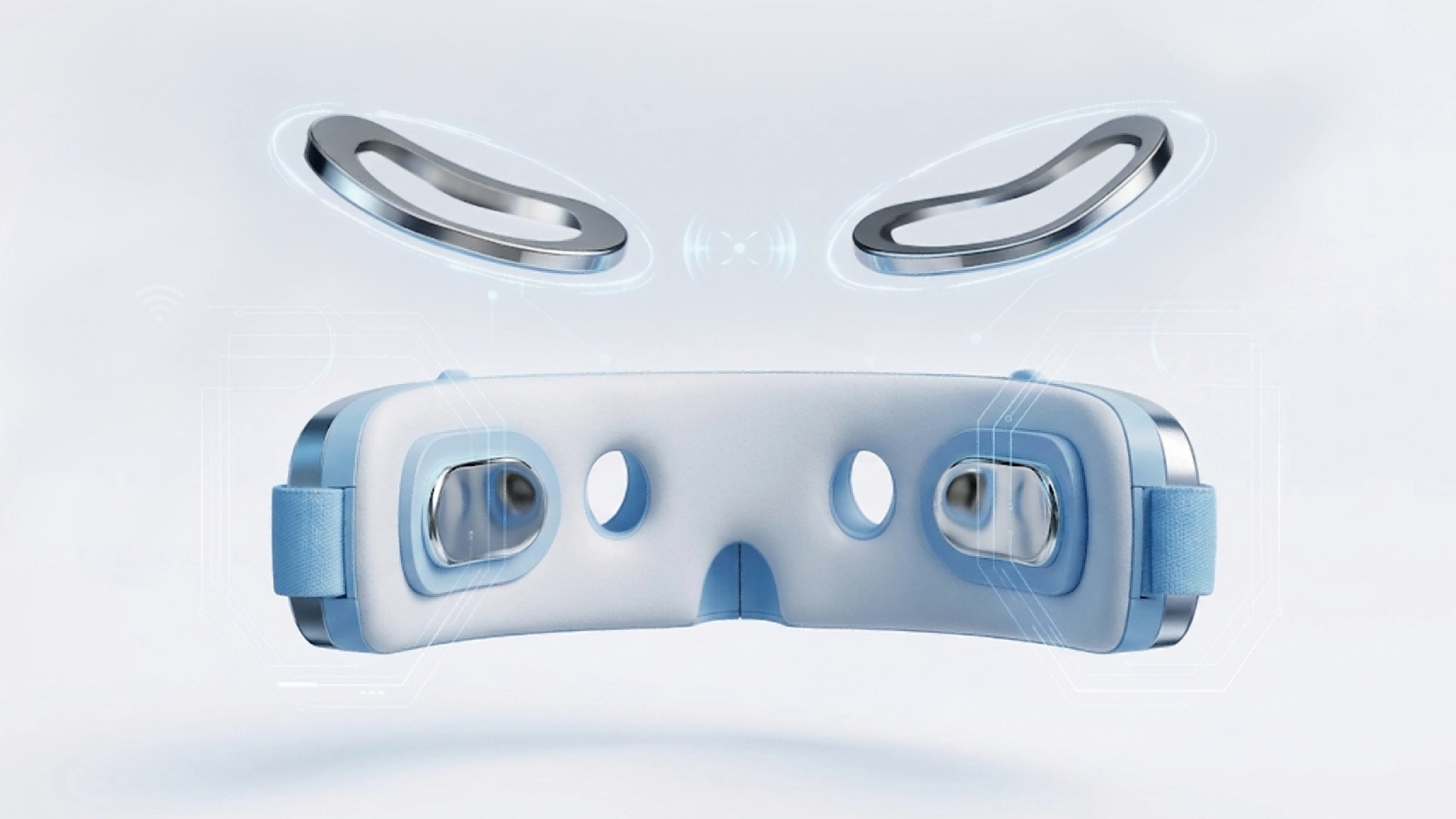
What Is Magnetic Electrode Design? A New Trend in Eye Care Devices
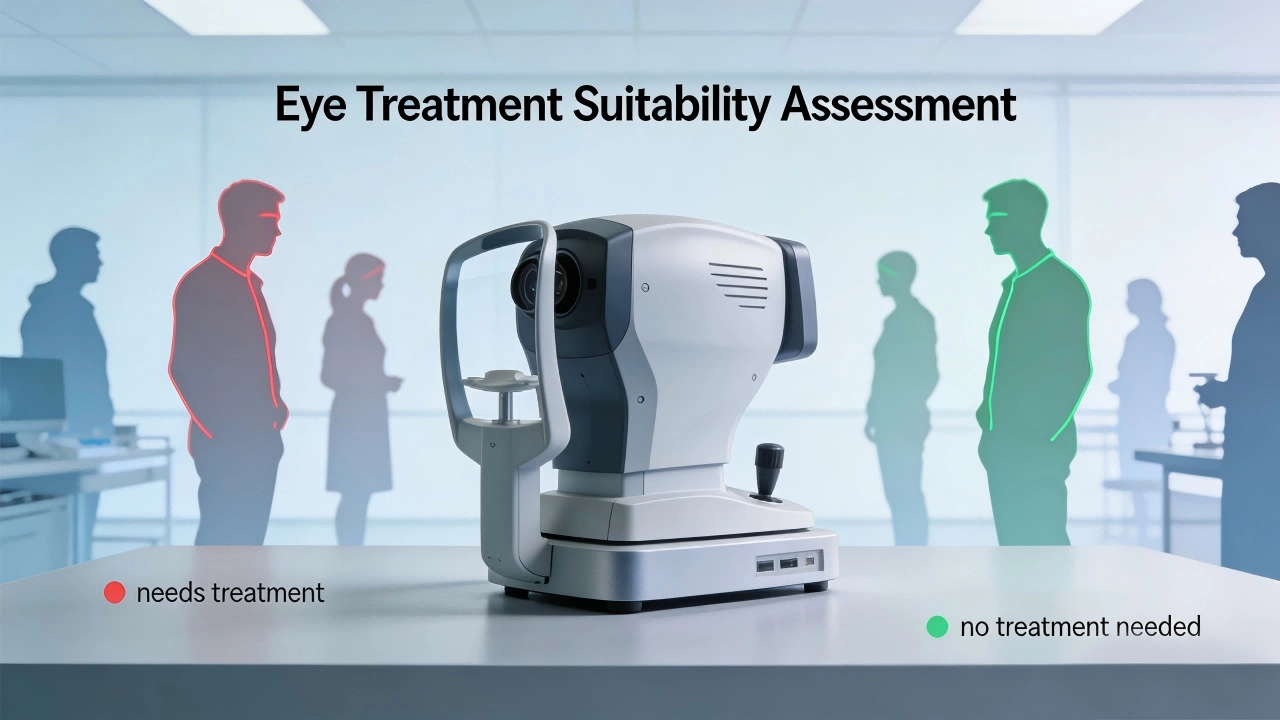
Are Eye Treatment Machines Suitable for Everyone?
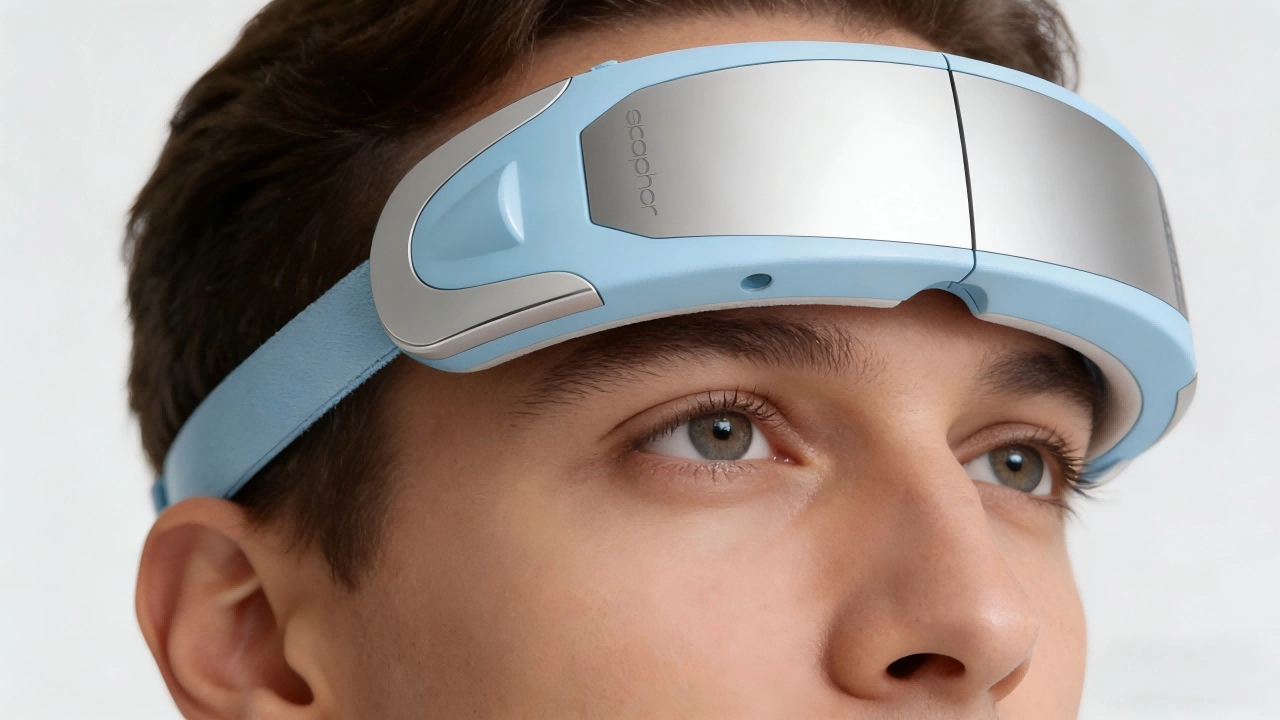
Eye Care Instruments: Why Skin-Contact Materials Matter More Than Specs
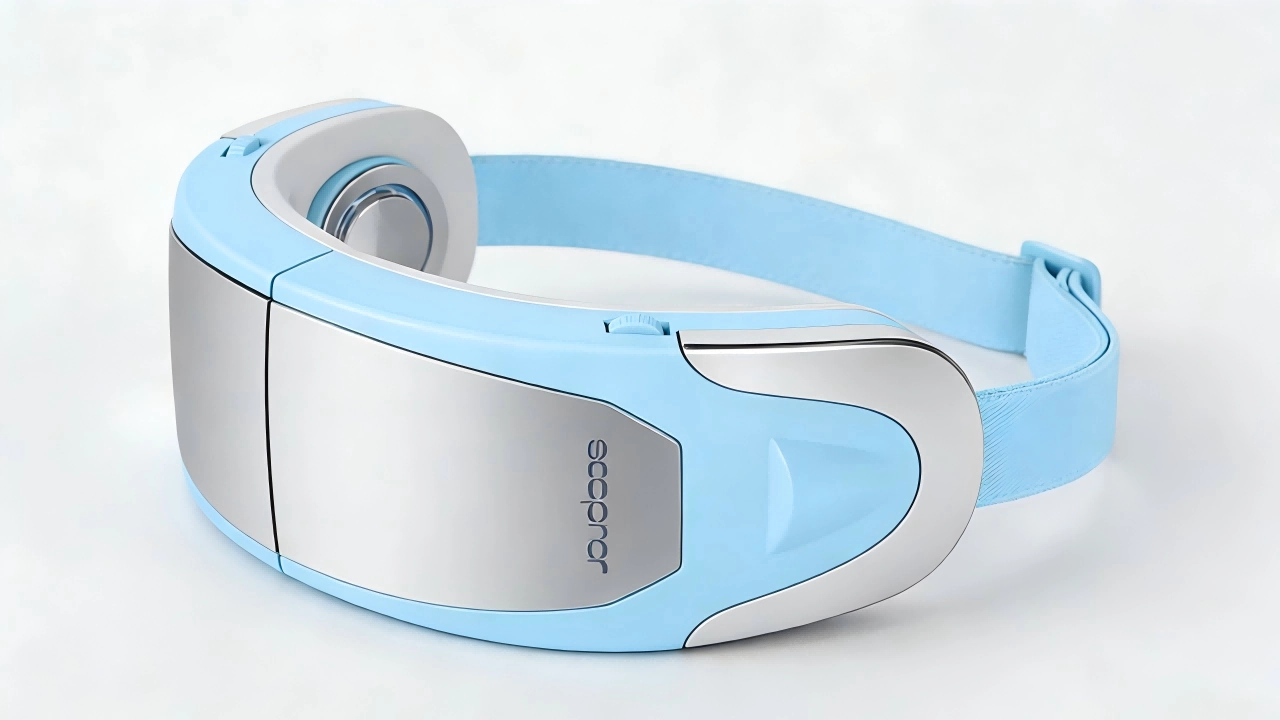
Eye Caring Instrument Design: Three Details That Matter Most
Prdoucts Categories
Prdoucts Categories
FAQ
Logistics and Customs Clearance
Can the package be labeled in the customer's country?
Multi-language labeling is supported (compliance text and location drawings must be provided).
About Company
What is the background of the R&D team?
The core team consists of experts from Zhongshan Ophthalmic Center and PhDs in optoelectronic engineering, and owns 15 patents related to visual rehabilitation.
Do you have a medical device manufacturing license?
We hold a Class II Medical Device Manufacturing License issued by the Guangdong Pharmaceutical Administration (number can be verified).
About Skaphor
Where is Skaphor based and where do you ship?
We are based in Guangzhou, China, and our products are exported to over 30 countries worldwide, including the U.S., UK, Australia, South Korea, and many more.
Customized Service (For OEM/ODM)
What is the minimum order quantity for ODM?
Hardware customization starts at 1000 units, and software UI customization starts at 100 units.
-
Contact Us for More Details
-
-
For custom designs, competitive pricing, or strategic partnerships, reach out to us. We'll get back to you promptly—usually within 24 hours.
-
Ruiheng Technology--Global Eye Protection Technology Innovator.
Contact Skaphor
Email: admin@skaphor.net
Address: Room 406, No. 101, Wanghu 1st Road, Baiyun District, Guangzhou, Guangdong Province, China.
© 2026 Skaphor. All Rights Reserved.
zhu Juliy
Skaphor_ Juliy