
Send My Projects Request
Age-Related Macular Degeneration: How to Recognize Early Signs of Vision Decline | Vision Revive & Eye Health Guide
Tuesday, 10/21/2025
Age-related macular degeneration (AMD) is one of the leading causes of vision loss in older adults. It affects the macula — the central part of the retina responsible for detailed and color vision — gradually reducing the ability to read, recognize faces, or see clearly in daily life.
This article explains how to identify early warning signs of AMD, what risk factors accelerate its progression, and how modern vision revive technologies like Micropulse Photoreceptive Repair Technology and microcurrent for eyes can support retinal and optic nerve health.
1. What Is Macular Degeneration?
-
The macula is located in the center of the retina and is responsible for sharp, detailed, and color vision.
-
When macular cells become damaged or degenerate, symptoms such as blurriness, distortion, or dark spots appear.
-
There are two main types of AMD:
-
Dry AMD: The most common form, accounting for about 90% of cases. It progresses slowly.
-
Wet AMD: Caused by abnormal blood vessel growth beneath the retina and tends to progress rapidly.
-
2. Early Warning Signs of Macular Degeneration
-
Blurry or distorted central vision — text appears wavy or faded when reading.
-
Color fading or reduced contrast — bright colors appear dull or washed out.
-
Dark or empty spots in central vision — a gray or black patch in the middle of the visual field.
-
Visual fluctuation or night vision difficulty — slower adaptation to changes in light.
👉 If you experience these symptoms, schedule an eye examination with optical coherence tomography (OCT) to assess retinal health.

3. Common Risk Factors for AMD
-
Aging: Risk increases significantly after age 50.
-
Smoking & vascular disease: Accelerates retinal microcirculation damage.
-
Blue light exposure: Long-term screen use increases oxidative stress on visual photoreceptors.
-
Genetic predisposition: A family history of AMD increases susceptibility.
-
Nutrient deficiency: Low levels of lutein, zeaxanthin, vitamin C, and vitamin E reduce the macula’s antioxidant capacity.
4. Daily Prevention & Early Intervention Strategies
1. Nutritional Support
-
Eat foods rich in lutein, zeaxanthin, and omega-3 fatty acids — such as spinach, salmon, and eggs.
-
Consider antioxidant supplements that promote optic nerve regeneration and visual cell repair.
2. Control Light Exposure
-
Use blue-light–filtering glasses and avoid intense nighttime light.
-
Maintain soft, even lighting when reading or working to protect visual photoreceptors.
3. Improve Ocular Circulation
-
Gentle eye massage for eyesight can stimulate microcirculation in the macular region.
-
Follow the 20-20-20 rule — every 20 minutes, look at something 20 feet away for 20 seconds.
4. Leverage Optical & Neural Technologies
-
The Skaphor Vision Revival Device, powered by Micropulse Photoreceptive Repair Technology, provides non-invasive microcurrent for eyes that supports retinal metabolism and optic nerve activation.
-
This gentle microcurrent eyes therapy helps regulate neural pathways, reduce inflammation, and enhance visual responsiveness for aging eyes.
5. Regular Checkups
-
Schedule yearly retinal and OCT exams — twice a year if early signs appear.
-
Early detection and proactive care can significantly slow progression.
5. Can Macular Degeneration Be Reversed?
While AMD cannot be fully cured, its progression can be slowed and visual function improved with the right approach:
-
Dry AMD: Nutritional therapy and light-based visual training can stabilize vision.
-
Wet AMD: Requires medical treatment but can be supported with optical rehabilitation technologies.
Microcurrent eyes therapy and optic nerve stimulation help restore neural adaptability, improve contrast sensitivity, and support long-term eye comfort and clarity.
Macular degeneration is a manageable condition — not an irreversible fate.
By recognizing early symptoms, adjusting lifestyle habits, and integrating advanced visual care technologies like the Skaphor Vision Revival Device, individuals can protect and preserve their vision naturally.
Through the science of Micropulse Photoreceptive Repair Technology, visual vitality can be safely maintained, even as the eyes age.
Prdoucts Categories
Recommended for you
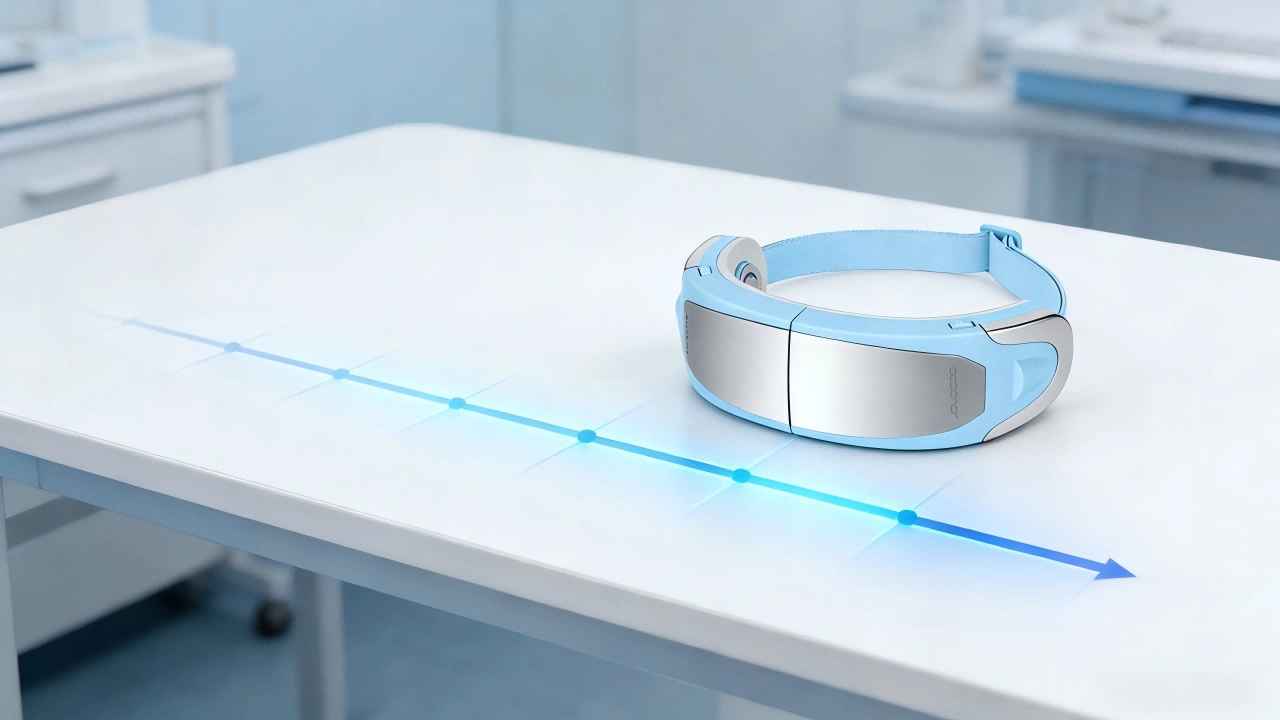
Seeing Clearly ≠ Seeing Comfortably: Why Visual Endurance Is Gaining Medical Attention
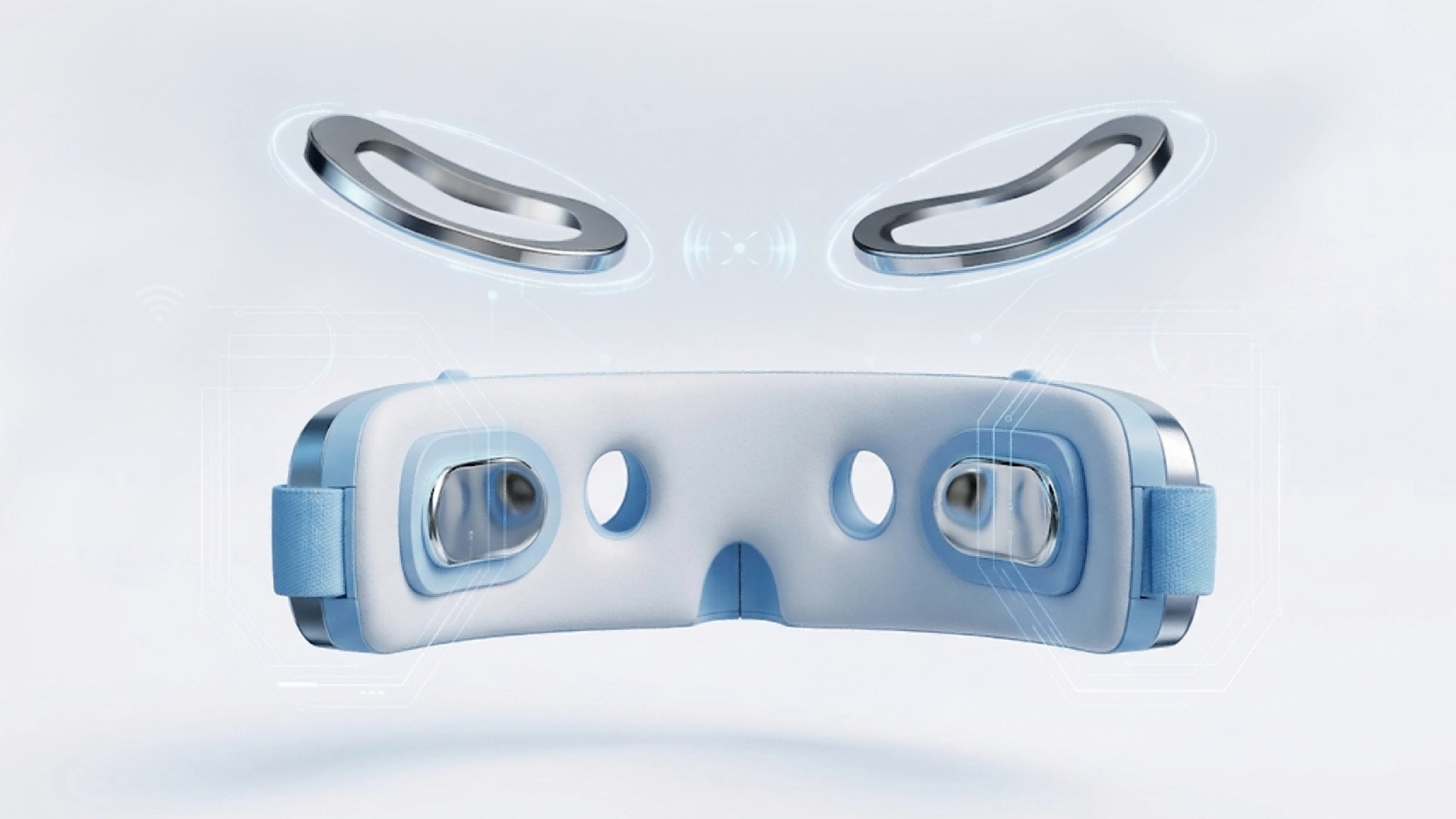
What Is Magnetic Electrode Design? A New Trend in Eye Care Devices
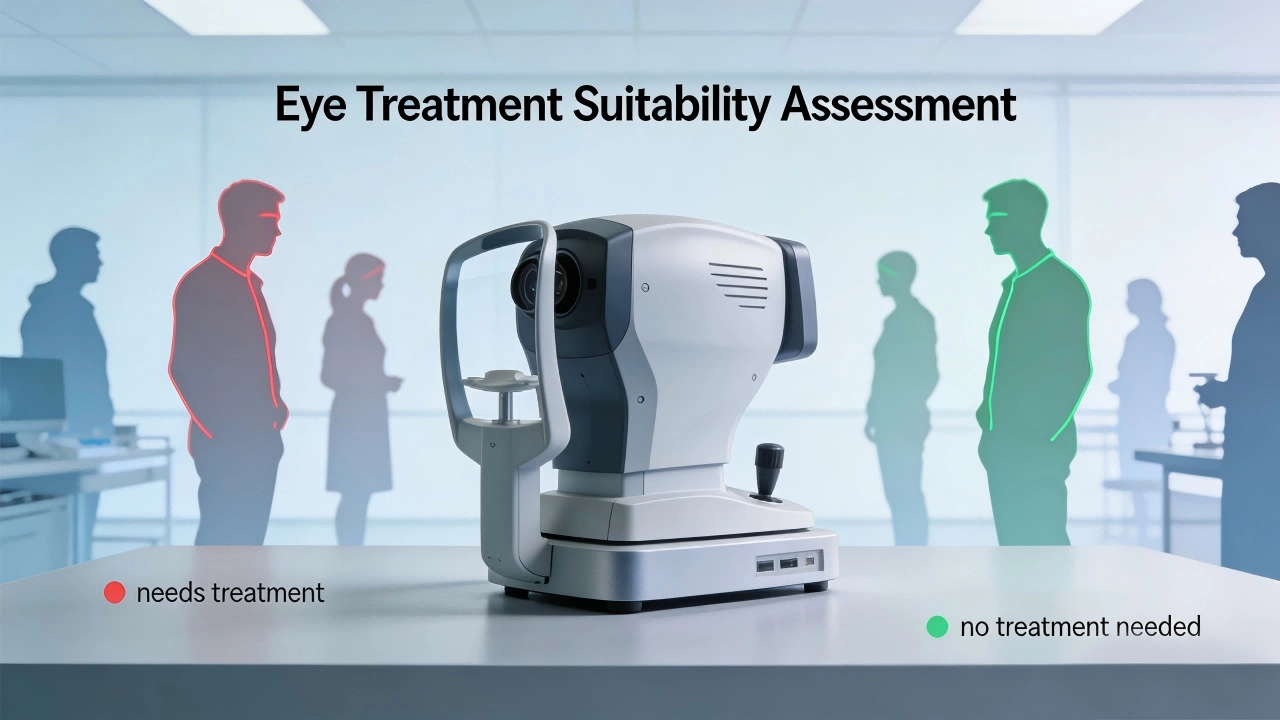
Are Eye Treatment Machines Suitable for Everyone?
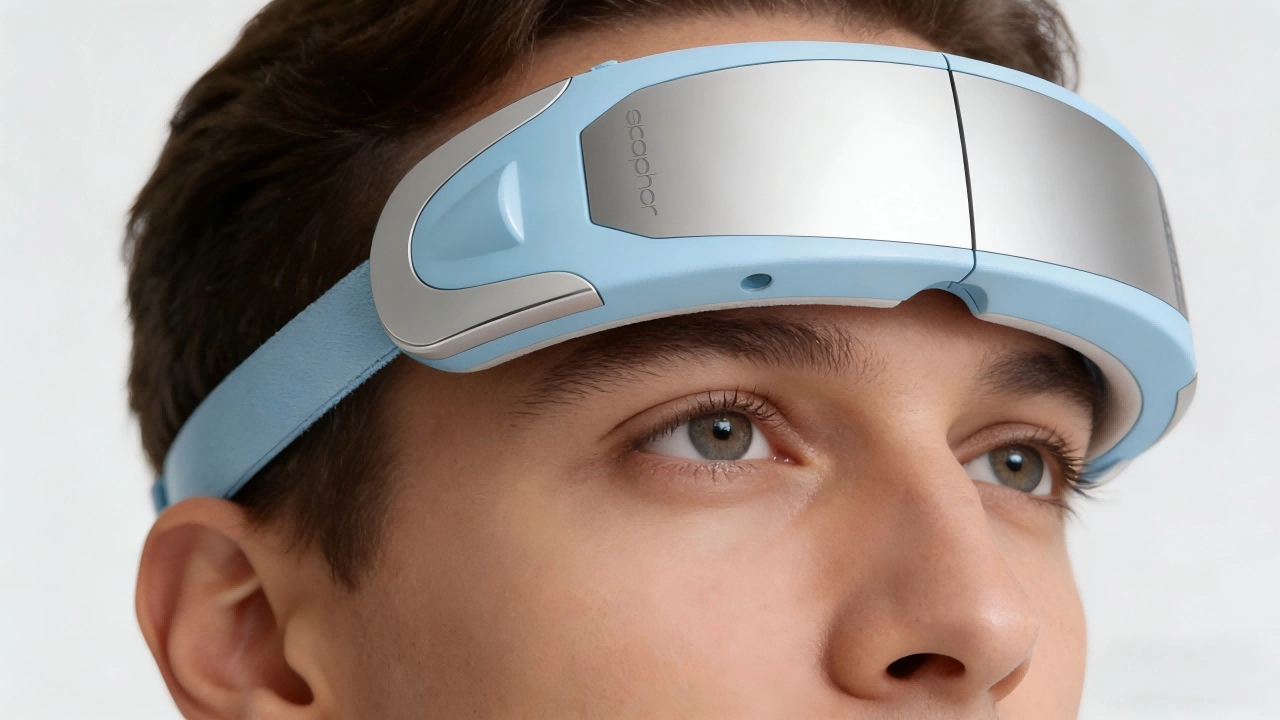
Eye Care Instruments: Why Skin-Contact Materials Matter More Than Specs
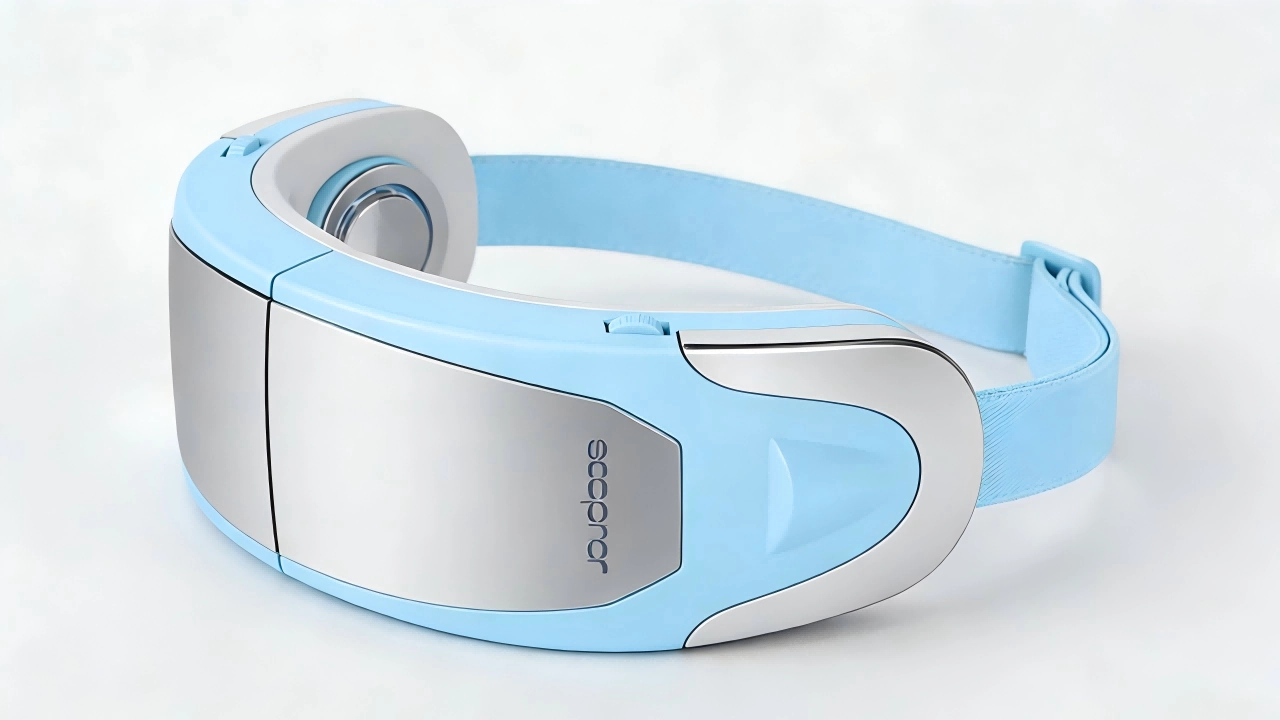
Eye Caring Instrument Design: Three Details That Matter Most
Prdoucts Categories
Prdoucts Categories
FAQ
About Products
What is the difference between Skaphor and other eye care devices?
Ordinary eye care device only massages the eye area, while Skaphor directly stimulates the visual cortex through 0-100Hz bio-optical signals (clinical effectiveness rate of 92%).
Do I need to take medication?
Pure physical therapy. The electrode part is used with the aid of wet sanitary pads.
Customized Service (For OEM/ODM)
What is the minimum order quantity for ODM?
Hardware customization starts at 1000 units, and software UI customization starts at 100 units.
Logistics and Customs Clearance
Is there any exclusive logistics program for large orders?
More than 500 units, we can provide dedicated logistics (including export customs clearance/destination country customs clearance).
Technical Verification
How to ensure safety?
Built-in current/temperature triple protection system, passed GB9706.1-2020 medical electrical safety standards.
-
Contact Us for More Details
-
-
For custom designs, competitive pricing, or strategic partnerships, reach out to us. We'll get back to you promptly—usually within 24 hours.
-
Ruiheng Technology--Global Eye Protection Technology Innovator.
Contact Skaphor
Email: admin@skaphor.net
Address: Room 406, No. 101, Wanghu 1st Road, Baiyun District, Guangzhou, Guangdong Province, China.
© 2026 Skaphor. All Rights Reserved.
zhu Juliy
Skaphor_ Juliy