
Send My Projects Request
Clear Vision, Hidden Danger: The Silent Threat of Early-Stage Glaucoma
Wednesday, 07/9/2025
Is it dangerous to see clearly in the early stages of glaucoma? Don't let “senseless blindness” get to you!
Most people think that if they can still see clearly, their eyes must be healthy. But in the case of glaucoma, this assumption can be dangerously misleading. Often called the “silent thief of sight,” glaucoma causes gradual, irreversible vision loss—starting at the periphery—without noticeable symptoms in its early stages. By the time you notice vision changes, significant and permanent damage may already be done. In this article, we’ll explore why clear vision isn’t always a sign of healthy eyes and how to detect and address early-stage glaucoma before it’s too late.

1. What Is Glaucoma—and Why Is It So Dangerous?
Glaucoma is a group of eye diseases that damage the optic nerve, often due to increased intraocular pressure (IOP). This pressure damages nerve fibers responsible for transmitting visual information to the brain. What makes it dangerous is its slow, symptomless progression.
By the time most people realize something is wrong, up to 40% of their optic nerve fibers may already be lost.
2. Can You See Clearly and Still Have Glaucoma? Absolutely.
In early-stage glaucoma, central vision remains unaffected. That means you may read, drive, and work on screens without noticing any changes—while the outer edges of your vision are slowly fading. This creates a false sense of security that delays diagnosis and treatment.
Visual field loss typically begins at the periphery, progressing inward. Since our brains can compensate for small blind spots, these gaps are often unnoticed until the disease becomes advanced.
3. Why Is It Called “Silent Blindness”?
Unlike conditions like conjunctivitis or dry eye that cause discomfort, glaucoma is painless and invisible in its early stages. This leads many people—especially older adults or those with no obvious symptoms—to skip routine eye exams.
This is why glaucoma is a leading cause of irreversible blindness worldwide.
4. Who’s at Risk of Developing Glaucoma?
Several risk factors make early screening essential:
Age over 40
Family history of glaucoma
Chronic diseases like diabetes or hypertension
High intraocular pressure (IOP)
Long-term steroid use
Ethnicity (higher risk in African, Hispanic, and Asian populations)
Even those without symptoms or risk factors should get regular optic nerve health checks.
5. Can Early Glaucoma Be Managed or Slowed?
Yes—but only if caught early. While there’s no cure, treatments like pressure-lowering eye drops, laser therapy, and lifestyle adjustments can significantly slow progression. Emerging technologies like visual neuromodulation and non-invasive stimulation devices such as the Skaphor Vision Revival Device may also play a role in supporting optic nerve resilience and visual field function in the future.

Just because you can see clearly doesn’t mean your eyes are safe. Early-stage glaucoma is silent, slow, and irreversible—but with regular screening and proactive care, it doesn’t have to steal your sight. Eye health is about more than what you see; it’s about what you don’t see yet. Don’t wait until it’s too late. Your future vision depends on what you do today.
Product Categories
Recommended for you
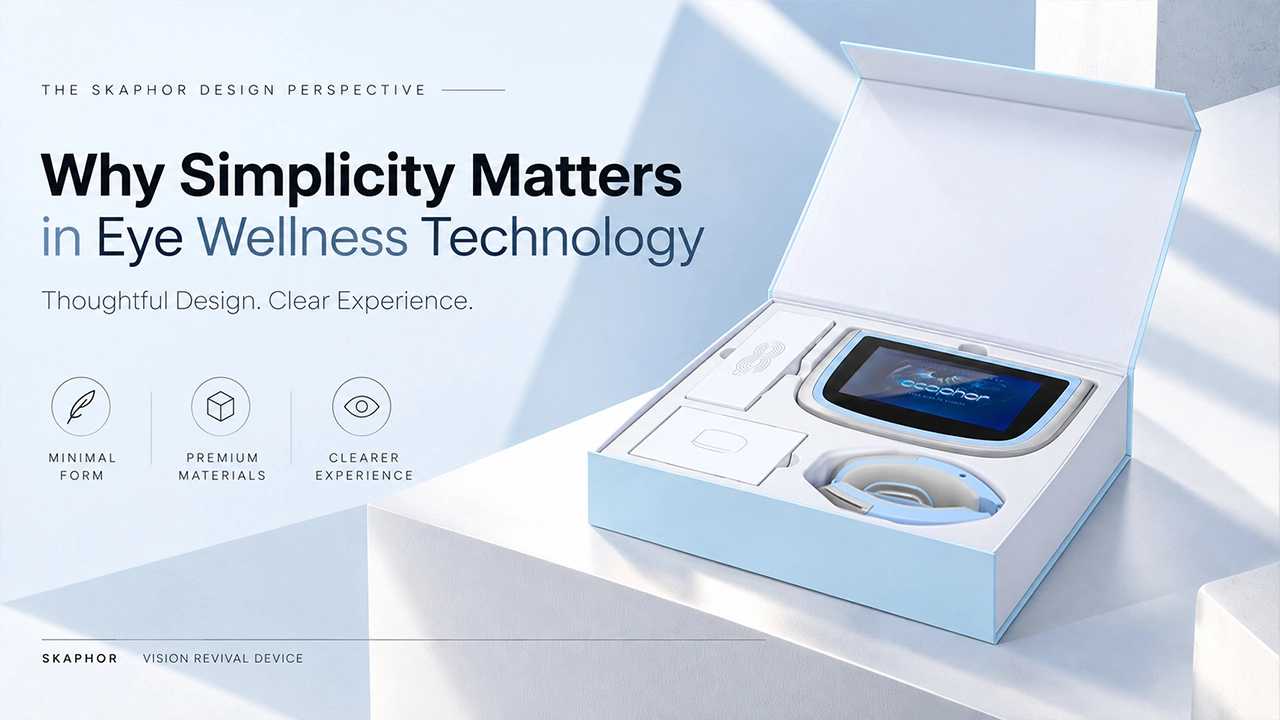
Why Simplicity Matters in Eye Wellness Technology
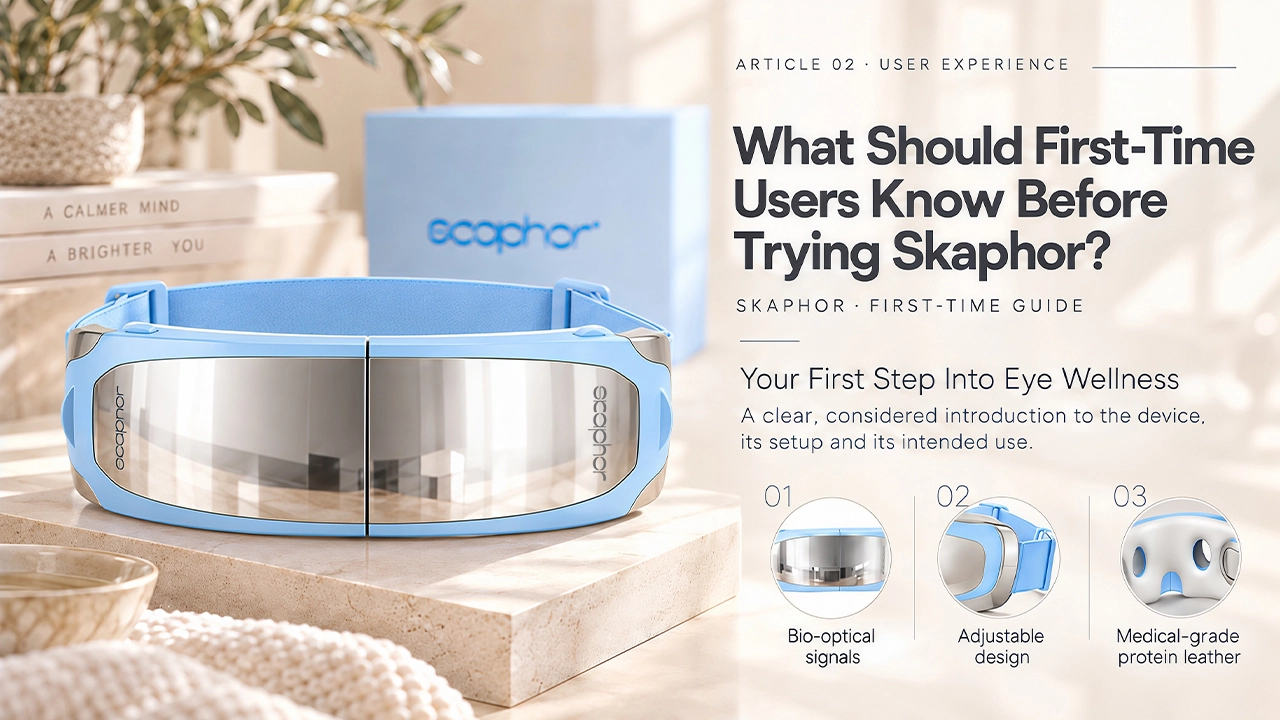
What Should First-Time Users Know Before Trying Skaphor?
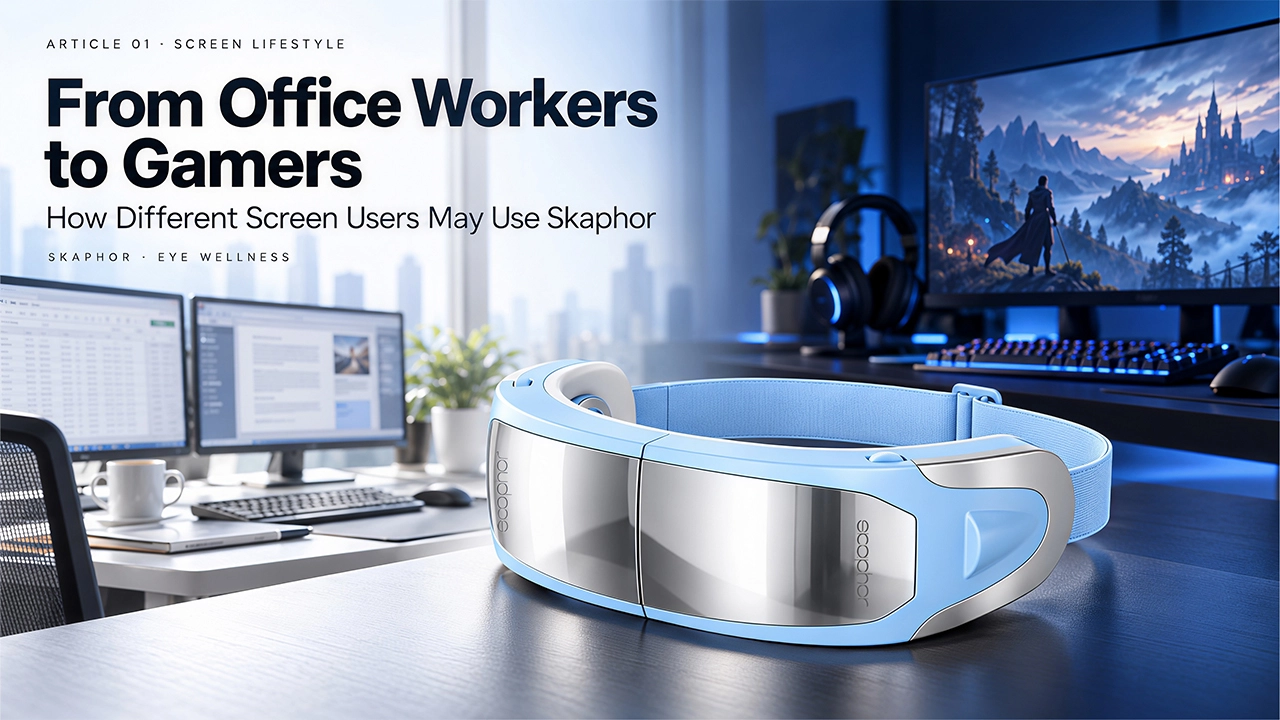
From Office Workers to Gamers: How Different Screen Users May Use Skaphor
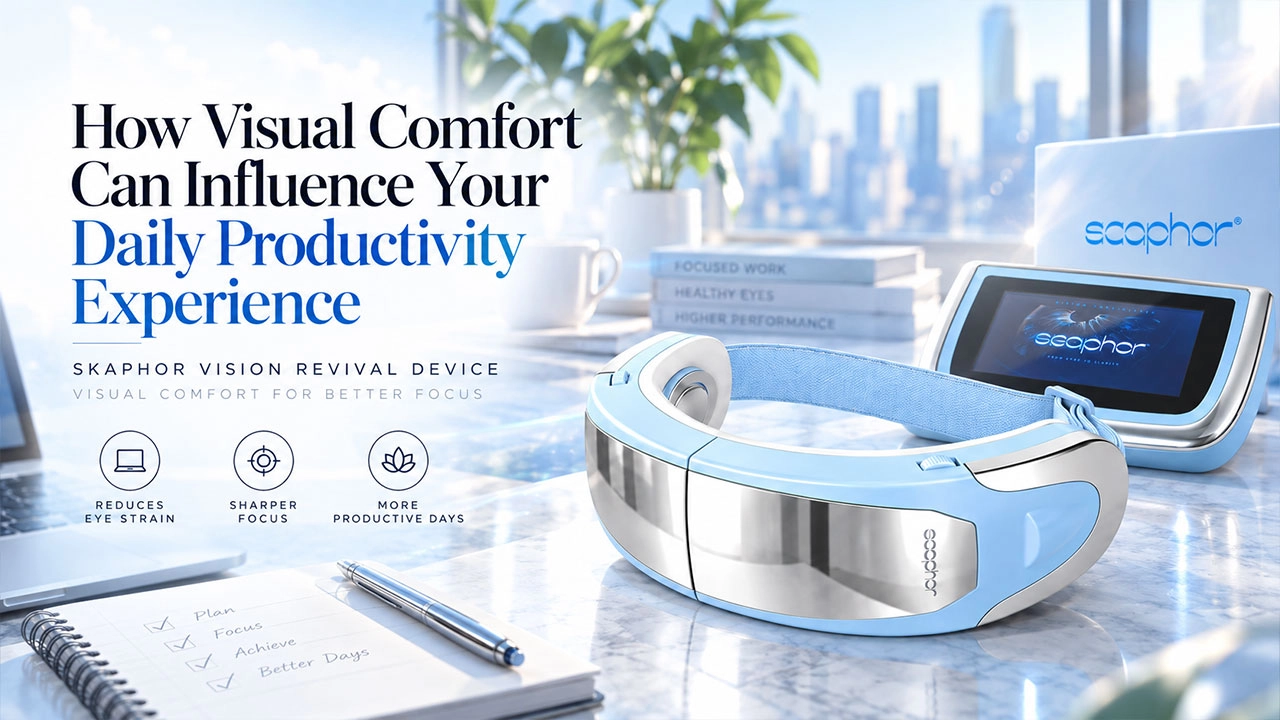
How Visual Comfort Can Influence Your Daily Productivity Experience?
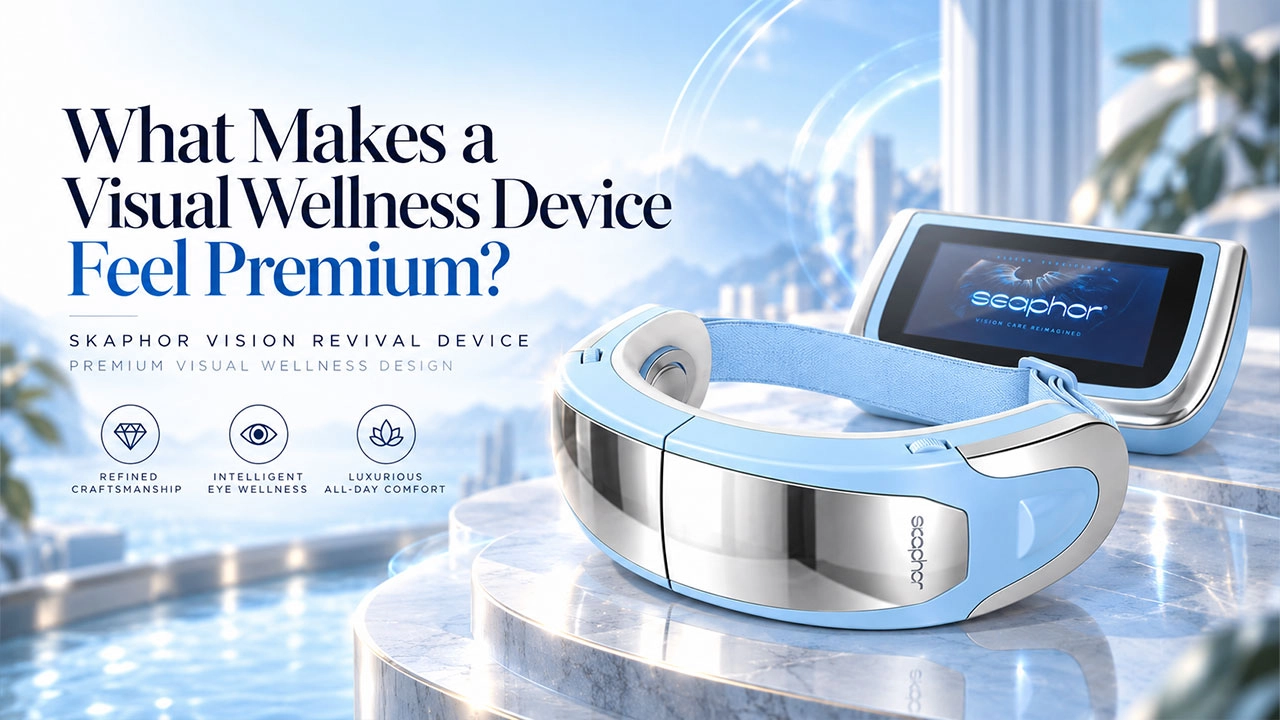
What Makes a Visual Wellness Device Feel Premium?
Product Categories
Product Categories
FAQ
About Products
Does it support the cooperation of clinical organizations in research?
Open to clinical data cooperation, provide equipment and technical program support (need to sign MOU).
What is the difference between Skaphor and other eye care devices?
Ordinary eye care device only massages the eye area, while Skaphor directly stimulates the visual cortex through 0-100Hz bio-optical signals (clinical effectiveness rate of 92%).
Logistics and Customs Clearance
Can the package be labeled in the customer's country?
Multi-language labeling is supported (compliance text and location drawings must be provided).
Customized Service (For OEM/ODM)
Is there a white-label version?
We offer a completely unbranded standard version of the solution, which is especially suitable for B-end customers such as medical chains and ophthalmology clinics for private label customization.
About Company
Can you provide me with the company's qualifications and patent certificates?
We can provide business license, Class II Medical Device Manufacturing Record Certificate, and a list of patents (in English and Chinese).
-
Contact Us for More Details
-
-
For custom designs, competitive pricing, or strategic partnerships, reach out to us. We'll get back to you promptly—usually within 24 hours.
-
Ruiheng Technology--Global Eye Protection Technology Innovator.
Contact Skaphor
Email: admin@skaphor.net
Address: Room 406, No. 101, Wanghu 1st Road, Baiyun District, Guangzhou, Guangdong Province, China.
© 2026 Skaphor. All Rights Reserved.
Skaphor
Skaphor