
Send My Projects Request
Diet and Eye Health: Which Nutrients Best Protect the Optic Nerve?
Tuesday, 09/9/2025
The health of the optic nerve is essential for maintaining good vision, and while external eye-care devices play an important role, diet also plays a crucial part in eye health. Certain nutrients, such as vitamins, minerals, and antioxidants, have a profound impact on protecting the optic nerve and slowing eye degeneration. In this article, we will explore the key nutrients that support eye health and offer practical dietary recommendations to help protect the optic nerve.
1. The Role of the Optic Nerve in Vision
The optic nerve is the pathway through which visual information travels from the retina to the brain, enabling sight. Keeping the optic nerve healthy is not only important for preventing eye diseases but also for maintaining visual clarity and contrast sensitivity. Several factors influence the health of the optic nerve, including genetics, environmental factors, eye habits, and diet.
2. Key Nutrients for Protecting the Optic Nerve
Vitamin A
Function: Vitamin A is vital for the proper functioning of retinal photoreceptor cells (rods and cones). It helps produce rhodopsin, a molecule essential for low-light vision.
Food Sources: Carrots, sweet potatoes, spinach, and chicken liver.
Lutein and Zeaxanthin
Function: These two carotenoids are powerful antioxidants that naturally filter blue light and protect the retina from UV light damage. They are abundant in the macula and help slow age-related macular degeneration (AMD).
Food Sources: Leafy green vegetables (e.g., spinach, kale), corn, and egg yolks.
Vitamin C
Function: As a potent antioxidant, vitamin C helps reduce oxidative damage to the optic nerve and protects the eyes from harmful UV rays and environmental pollutants. It also supports blood vessel repair in the eyes.
Food Sources: Citrus fruits, strawberries, bell peppers, and tomatoes.
Vitamin E
Function: Vitamin E helps reduce oxidative stress in optic nerve cells, slowing degeneration. It is also believed to have a positive effect on preventing cataracts and slowing retinal diseases.
Food Sources: Nuts, seeds, vegetable oils, and avocados.
Zinc
Function: Zinc is crucial for retinal health and the proper function of the optic nerve, helping the eye transmit light signals effectively. Zinc deficiency can lead to night blindness and visual impairment.
Food Sources: Red meat, shellfish, legumes, nuts, and whole grains.
Omega-3 Fatty Acids
Function: Omega-3 fatty acids have anti-inflammatory properties and help reduce retinal inflammation. They are especially beneficial for preventing dry eye syndrome and slowing optic nerve degeneration.
Food Sources: Fatty fish (e.g., salmon, tuna), flaxseeds, chia seeds, and walnuts.
3. Practical Dietary Tips for Eye Health
Increase intake of lutein and zeaxanthin: Eat 2–3 servings of dark leafy vegetables weekly (e.g., kale, spinach) and include eggs and corn in your diet.
Ensure sufficient vitamin A intake: Incorporate foods like carrots, sweet potatoes, and liver to support retinal health.
Add Omega-3 to your diet: Consume fatty fish 2–3 times a week or supplement with flaxseeds and chia seeds.
Boost vitamin C and E intake: Include citrus fruits, strawberries, tomatoes, and nuts in your daily meals.
Adequate zinc intake: Ensure sufficient zinc by eating shellfish, meat, legumes, and nuts.
Eye health is not solely dependent on external eye-care devices; a balanced diet plays a crucial role in protecting the optic nerve and maintaining long-term vision health. By incorporating key nutrients such as vitamin A, lutein, omega-3, and zinc into your diet, you can effectively protect the optic nerve, slow visual system degeneration, and promote overall eye health. Maintaining a healthy diet alongside proper eye-care habits will provide lasting support for your vision.
Prdoucts Categories
Recommended for you

Seeing Clearly ≠ Seeing Comfortably: Why Visual Endurance Is Gaining Medical Attention
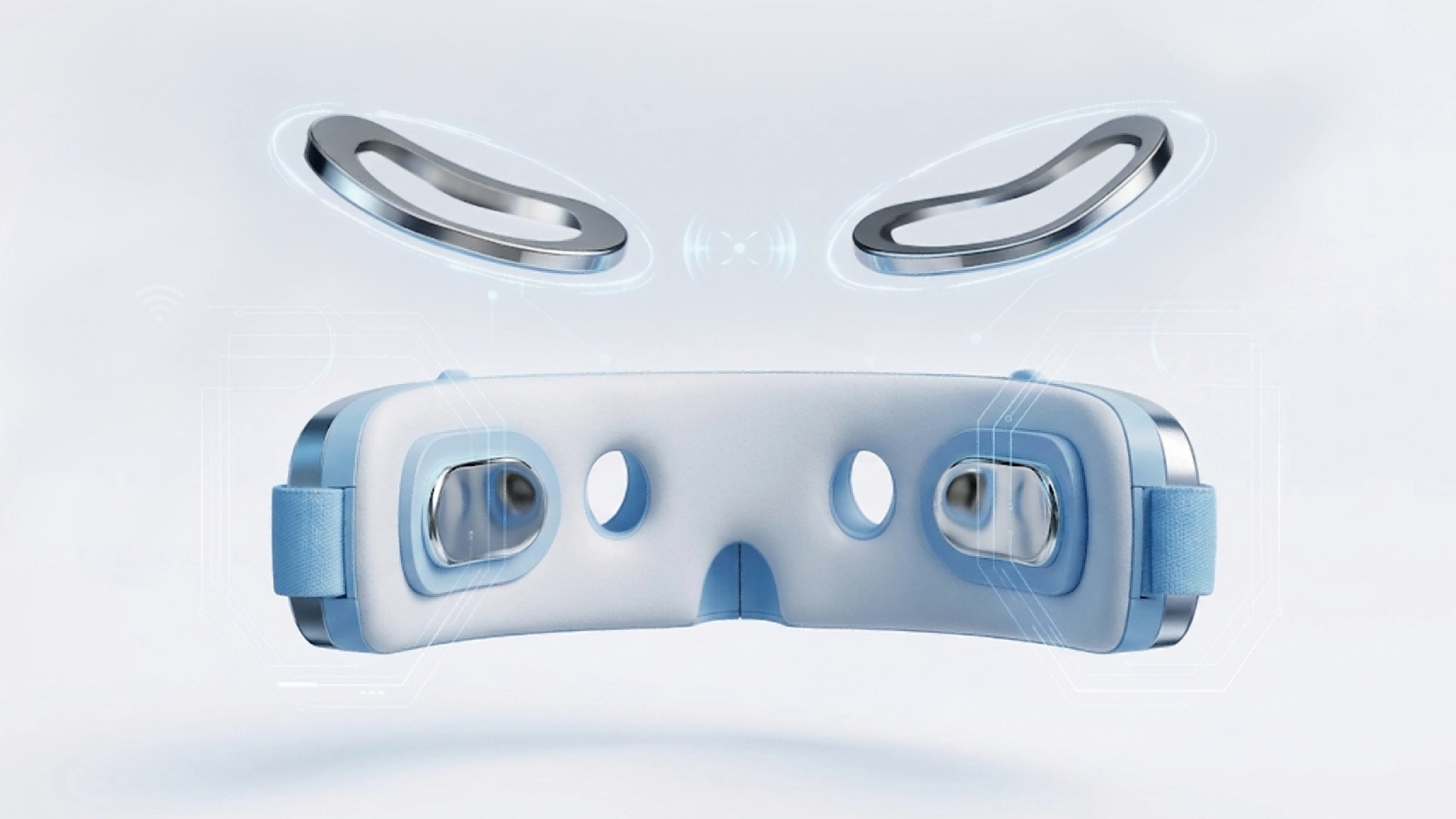
What Is Magnetic Electrode Design? A New Trend in Eye Care Devices
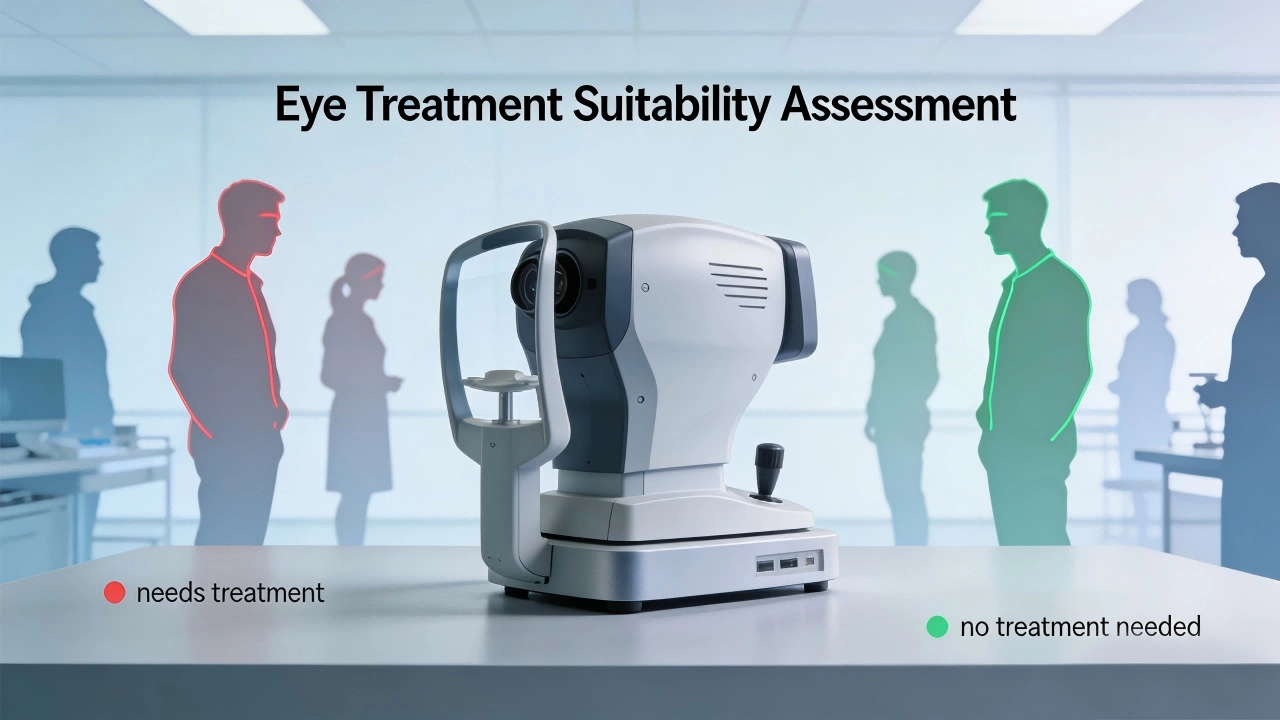
Are Eye Treatment Machines Suitable for Everyone?
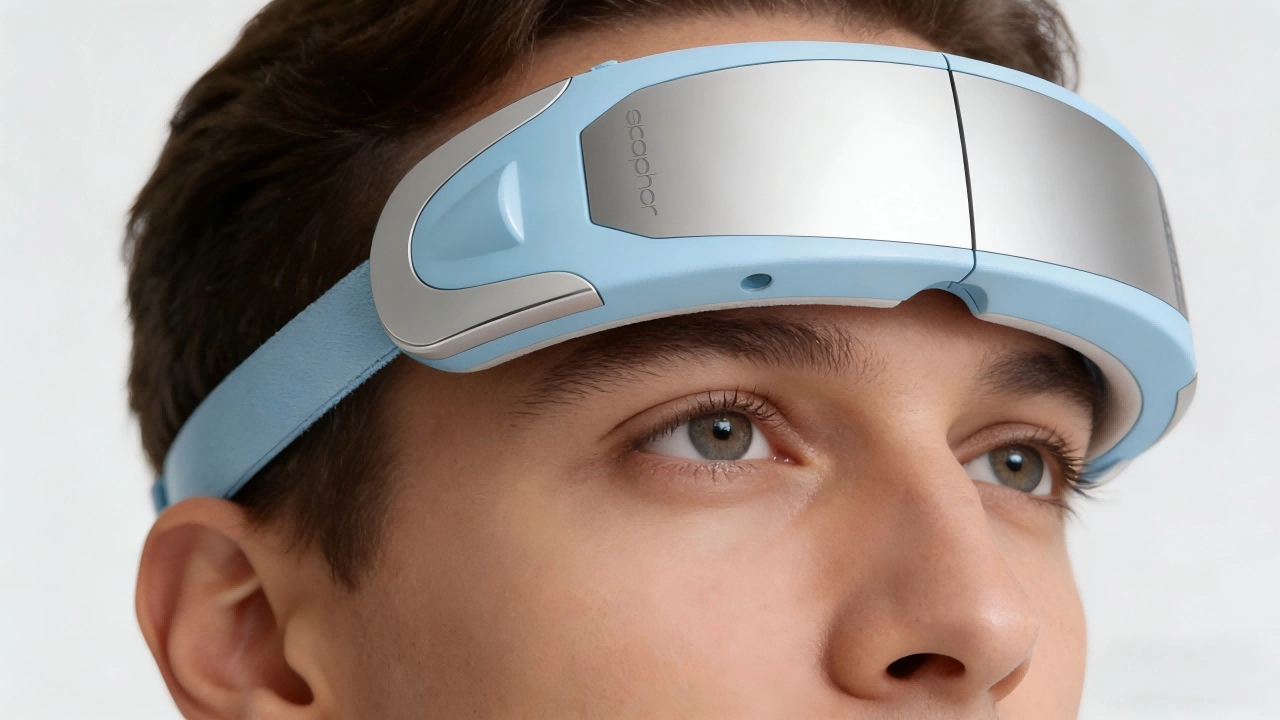
Eye Care Instruments: Why Skin-Contact Materials Matter More Than Specs
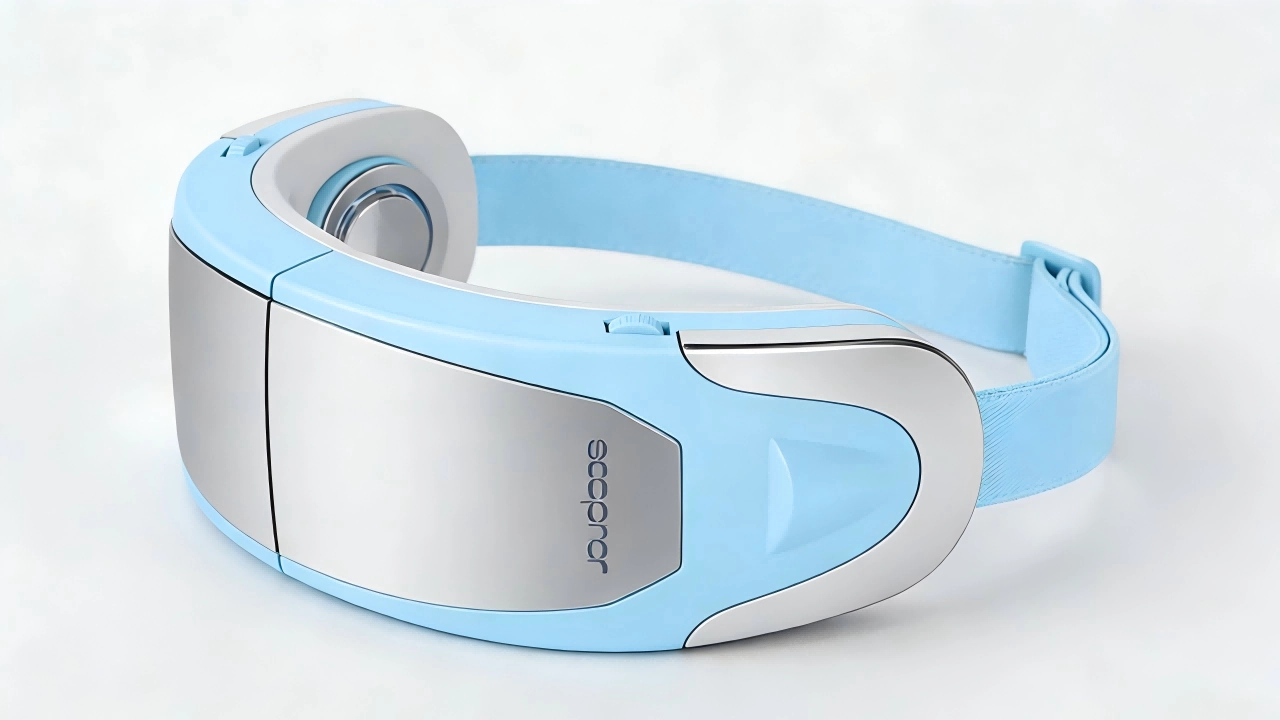
Eye Caring Instrument Design: Three Details That Matter Most
Prdoucts Categories
Prdoucts Categories
FAQ
About Company
Do you have a medical device manufacturing license?
We hold a Class II Medical Device Manufacturing License issued by the Guangdong Pharmaceutical Administration (number can be verified).
Can you provide me with the company's qualifications and patent certificates?
We can provide business license, Class II Medical Device Manufacturing Record Certificate, and a list of patents (in English and Chinese).
About Skaphor
Where is Skaphor based and where do you ship?
We are based in Guangzhou, China, and our products are exported to over 30 countries worldwide, including the U.S., UK, Australia, South Korea, and many more.
Technical Verification
What is the source of clinical data?
6-month double-blind trial report issued by the partner tertiary hospital (can be provided after signing the NDA).
Logistics and Customs Clearance
Is there any exclusive logistics program for large orders?
More than 500 units, we can provide dedicated logistics (including export customs clearance/destination country customs clearance).
-
Contact Us for More Details
-
-
For custom designs, competitive pricing, or strategic partnerships, reach out to us. We'll get back to you promptly—usually within 24 hours.
-
Ruiheng Technology--Global Eye Protection Technology Innovator.
Contact Skaphor
Email: admin@skaphor.net
Address: Room 406, No. 101, Wanghu 1st Road, Baiyun District, Guangzhou, Guangdong Province, China.
© 2026 Skaphor. All Rights Reserved.
zhu Juliy
Skaphor_ Juliy