
Send My Projects Request
From Medical Devices to Daily Wellness: Global Trends in Eye-Care Technology
Saturday, 08/30/2025
Eye-care technology is undergoing a major transformation: shifting from specialized medical devices used in clinics to accessible consumer products designed for everyday wellness. This evolution reflects changing lifestyles, rising screen use, and the global demand for proactive vision care. In this article, we explore the path from clinical origins to consumer markets, analyze key drivers, and look ahead to future innovations in the global eye-care industry.
1. The Medical Origins of Eye-Care Technology
Early eye-care devices were developed mainly for clinical use, such as laser correction systems, retinal imaging, or dry eye therapy machines. These devices were:
Highly specialized: Dependent on professional operation
Treatment-focused: Targeting conditions like glaucoma, cataracts, and dry eye disease
Market-limited: Expensive, complex, and restricted to hospitals or clinics
2. The Consumerization Wave: Eye-Care at Home
With the rise of digital lifestyles and global overuse of screens, vision care needs have expanded from patients to the general population. Eye-care technology is rapidly shifting toward consumer products.
Key driving forces:
Extended screen use among students and office workers worldwide
Aging populations and the need to delay age-related visual decline
Growing acceptance of wearables and digital health devices
Consumer product features:
Lightweight and user-friendly designs
Wider price range to reach both mid- and high-end markets
Seamless integration into daily routines such as study, office work, or bedtime relaxation
3. Global Market Expansion and Regional Trends
According to industry research:
Asia-Pacific: Rapid growth due to digital education and work environments, with China, Japan, and South Korea leading adoption.
North America & Europe: Strong focus on non-pharmaceutical therapies and neuro-modulation devices, emphasizing safety and scientific validation.
Emerging markets: Smartphone penetration drives demand for affordable eye-care devices as digital eye strain becomes widespread.
Market trend highlights:
Formation of a dual market structure bridging medical and consumer applications
Stronger emphasis on scientific certification and user experience
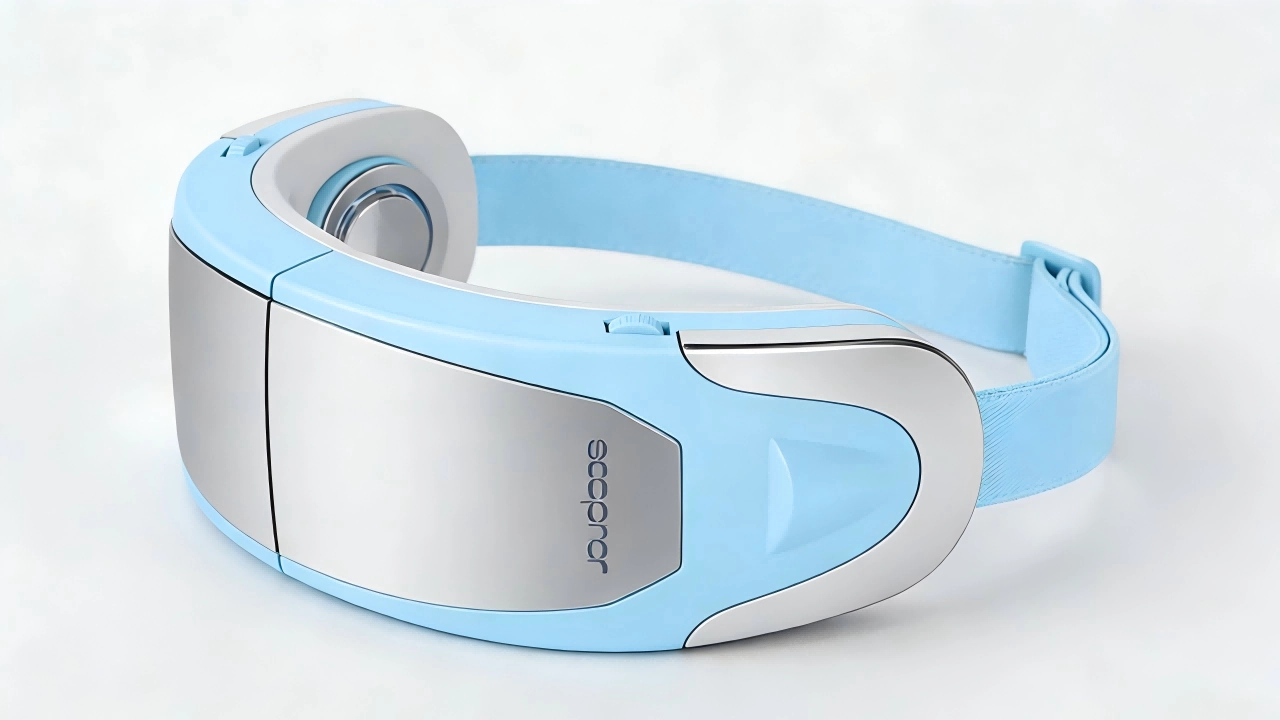
Emergence of hybrid technologies combining optical stimulation and neural regulation, such as the Skaphor Vision Revival Device
4. The Future: From Hardware to Ecosystems
The next phase of eye-care technology will be about creating ecosystems rather than standalone devices.
Personalization: AI-driven data and monitoring to provide tailored usage programs
Prevention-first: A shift from symptom relief toward proactive prevention
Global cooperation: Standardization and validation through collaboration between brands and medical institutions
Cross-integration: Eye-care devices combining with sleep management, cognitive training, and wearable health platforms
Eye-care technology is moving from the “niche” of medical devices into the mainstream of consumer wellness. This shift mirrors global demographic and lifestyle changes, pointing to a future where eye-care devices are as common as smartwatches or earbuds. In the race for global leadership, the brands that succeed will be those that achieve the leap from medical to consumer markets and from hardware to full-service ecosystems.
Prdoucts Categories
Recommended for you
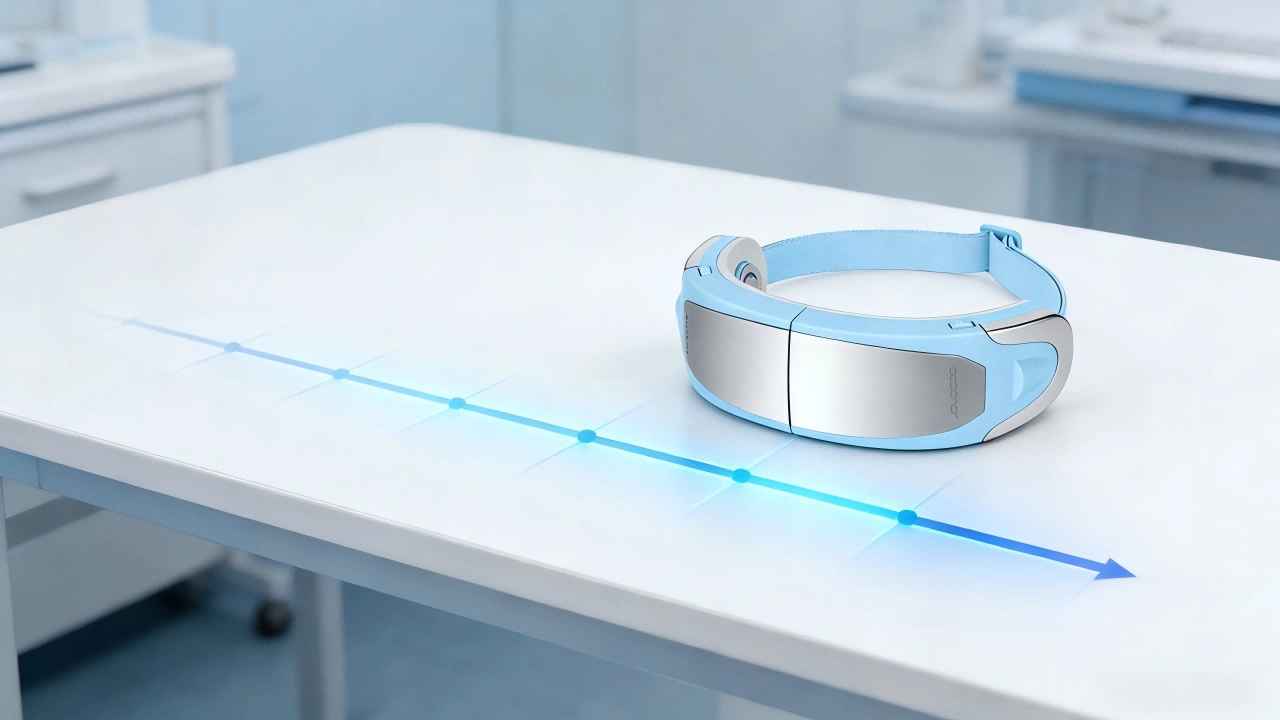
Seeing Clearly ≠ Seeing Comfortably: Why Visual Endurance Is Gaining Medical Attention
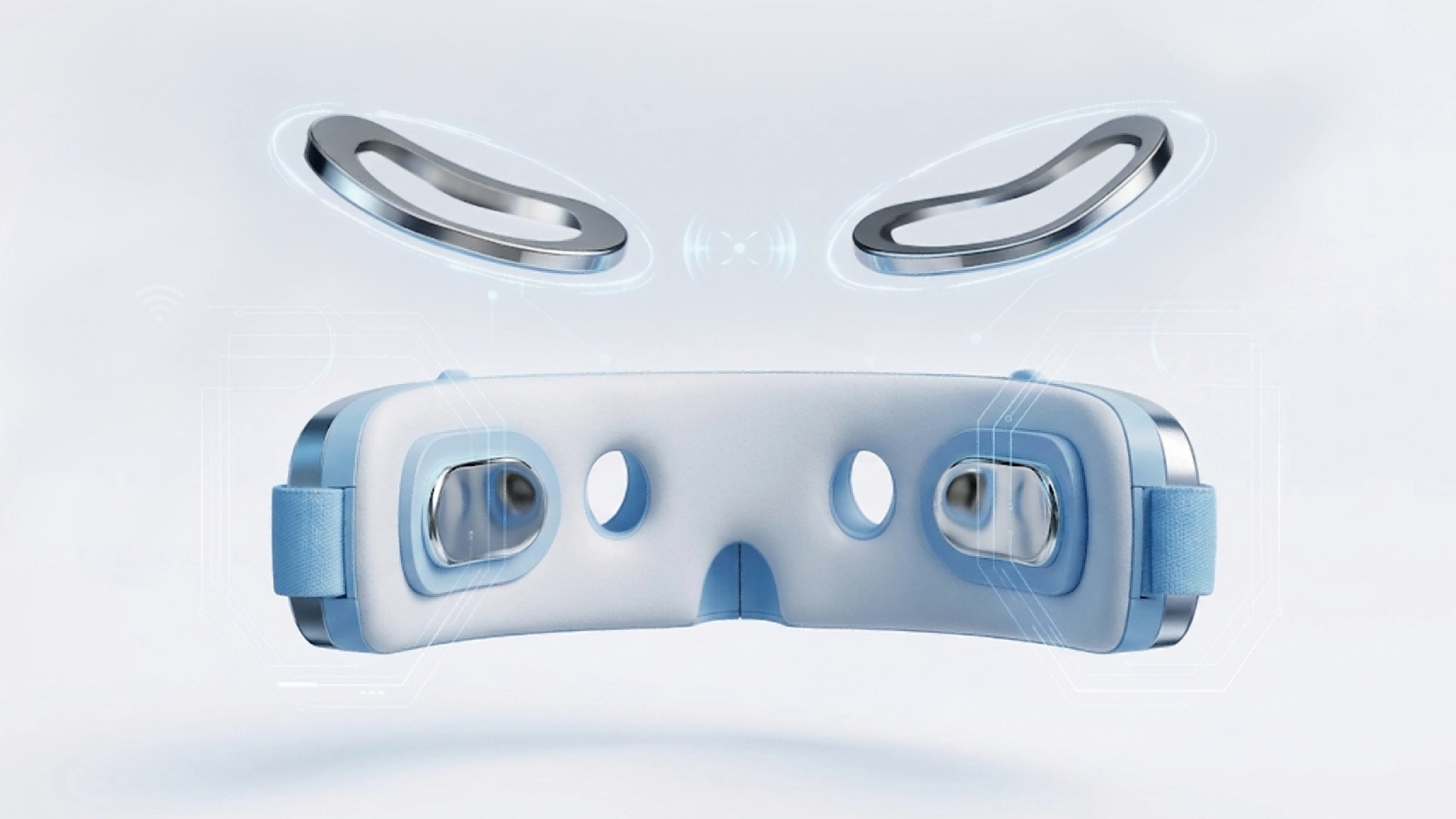
What Is Magnetic Electrode Design? A New Trend in Eye Care Devices
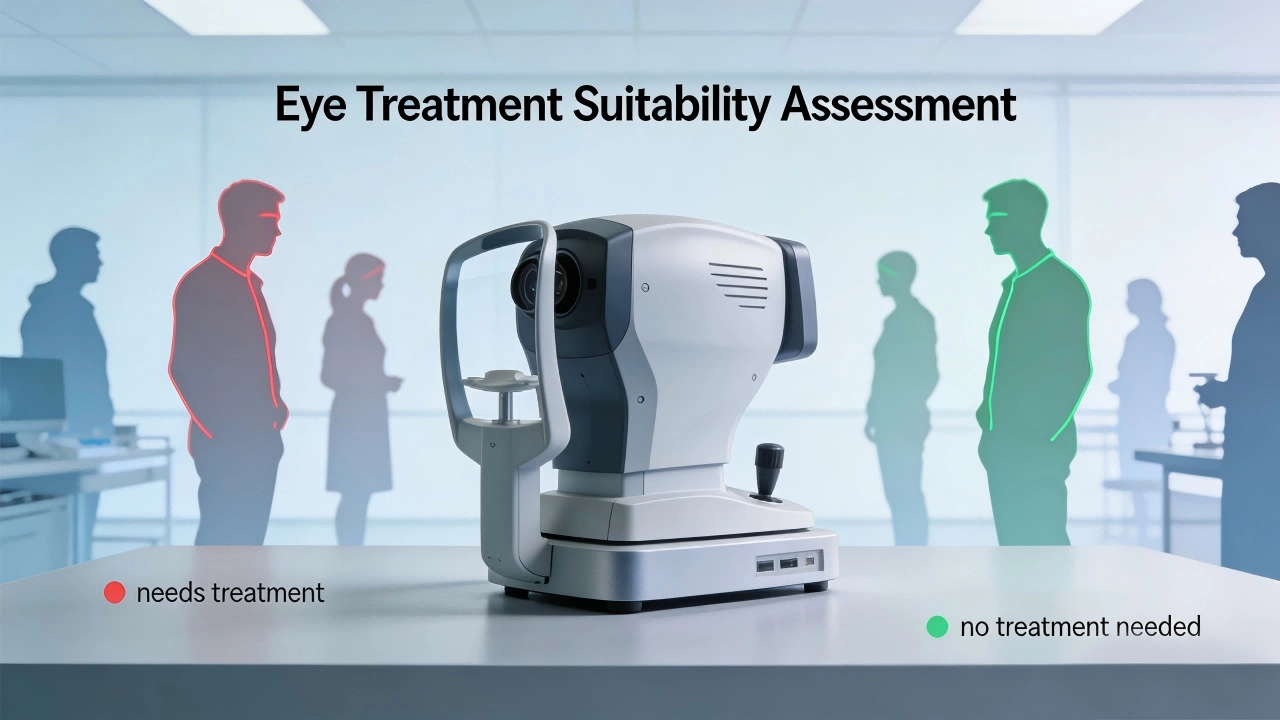
Are Eye Treatment Machines Suitable for Everyone?
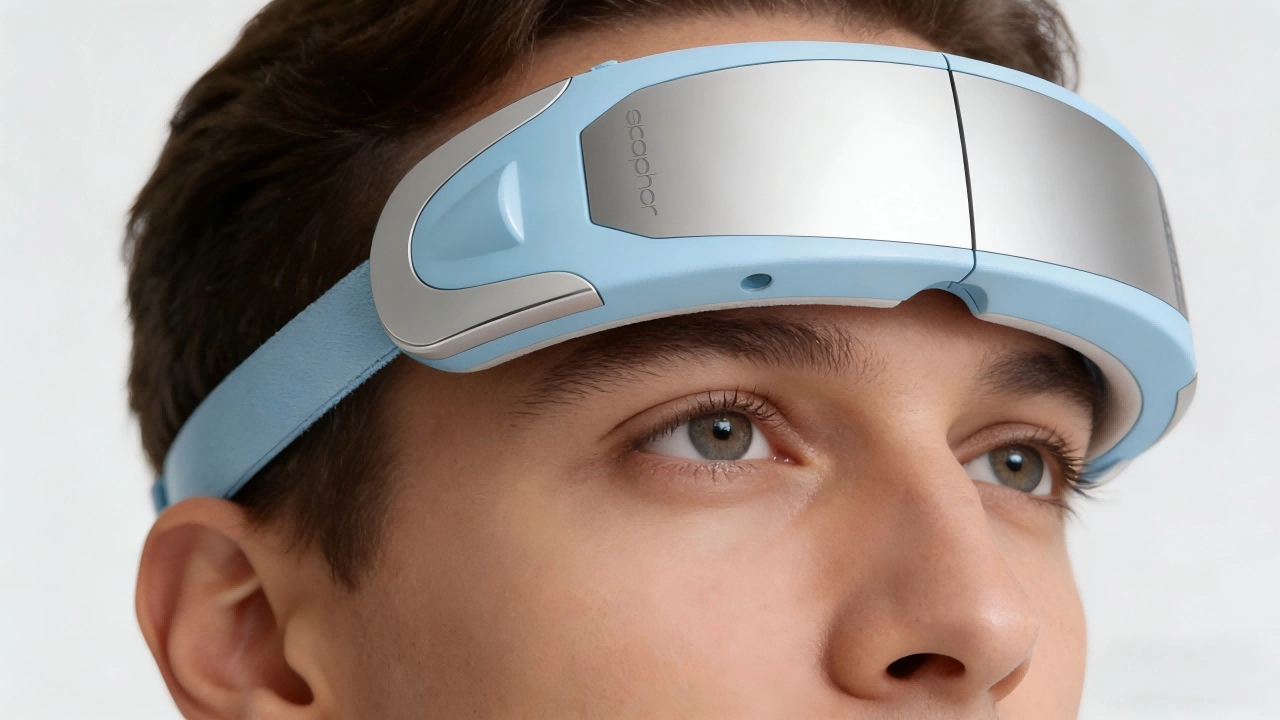
Eye Care Instruments: Why Skin-Contact Materials Matter More Than Specs
Eye Caring Instrument Design: Three Details That Matter Most
Prdoucts Categories
Prdoucts Categories
FAQ
Logistics and Customs Clearance
Does it support cross-border logistics?
We provide CIF service, and we have exported to Japan and Korea/EU/Middle East/Asia and other markets.
Customized Service (For OEM/ODM)
How long does it take to customize?
60 days for standard customization (including mold development + prototype confirmation); expedited solutions need to be evaluated.
Is there a white-label version?
We offer a completely unbranded standard version of the solution, which is especially suitable for B-end customers such as medical chains and ophthalmology clinics for private label customization.
About Company
Do you have a medical device manufacturing license?
We hold a Class II Medical Device Manufacturing License issued by the Guangdong Pharmaceutical Administration (number can be verified).
About Skaphor
Where is Skaphor based and where do you ship?
We are based in Guangzhou, China, and our products are exported to over 30 countries worldwide, including the U.S., UK, Australia, South Korea, and many more.
-
Contact Us for More Details
-
-
For custom designs, competitive pricing, or strategic partnerships, reach out to us. We'll get back to you promptly—usually within 24 hours.
-
Ruiheng Technology--Global Eye Protection Technology Innovator.
Contact Skaphor
Email: admin@skaphor.net
Address: Room 406, No. 101, Wanghu 1st Road, Baiyun District, Guangzhou, Guangdong Province, China.
© 2026 Skaphor. All Rights Reserved.
zhu Juliy
Skaphor_ Juliy