
Send My Projects Request
Low-Frequency Optical Signals and Retinal Repair: Latest Discoveries from Lab to Clinical Application
Friday, 09/5/2025
In recent years, low-frequency optical signals have shown tremendous potential in retinal repair. From early laboratory studies to clinical applications, scientists have gradually revealed how low-frequency light can promote the repair and regeneration of retinal cells. In this article, we’ll delve into how low-frequency optical signals aid retinal repair, discuss the latest experimental findings, and explore the future clinical applications of this technology.
1. The Basic Principles of Low-Frequency Optical Signals
Low-frequency optical signals typically refer to light with longer wavelengths and lower frequencies, such as red light or near-infrared light. These signals interact with retinal photoreceptor cells, using photobiological effects to enhance cell activity and repair.
Photobiological effects: Light stimulation boosts mitochondrial energy metabolism, improves microcirculation, reduces free radical damage, and promotes cell repair and regeneration.
Advantages of low-frequency stimulation: Compared to high-frequency signals, low-frequency light has better tissue penetration, allowing it to act deeper within the retina and optic nerve.
2. Mechanisms of Retinal Repair with Low-Frequency Light
Stimulating the repair of photoreceptor cells
Low-frequency light activates the cone and rod cells in the retina, helping restore damaged cell functions and improving visual sensitivity and contrast.
Enhancing mitochondrial function and cell vitality
Light stimulation enhances mitochondrial activity, increasing ATP production to help retinal cells cope with metabolic stress and oxidative damage.
Promoting retinal nerve repair
Low-frequency light stimulates neuroplasticity, aiding in the regeneration of neurons and rebuilding synaptic connections, thereby improving visual signal transmission.
Improving blood circulation and nutrient supply
Light stimulation enhances local microcirculation, benefiting the retina and optic nerve’s nourishment, and aiding in the repair of damaged blood vessels and nerve tissue.
3. Progress from Laboratory to Clinical Applications
Early experimental research: Animal studies have shown that low-frequency optical signals can significantly improve retinal damage, enhance cell survival, and partially restore vision function.
Clinical application prospects: As technology advances, low-frequency optical signals are gradually being incorporated into clinical treatments. Research is underway to explore their potential for treating age-related vision degeneration, glaucoma, macular degeneration, and optic nerve atrophy.
Glaucoma: Low-frequency light helps improve optic nerve blood supply, slowing down neuronal degeneration.
Macular degeneration: Stimulating the photoreceptor cells in the retina, helps restore retinal function.
4. Application of Low-Frequency Optical Signals in Eye-Care Devices
Today, low-frequency optical signals are not only used in laboratories and clinical settings but also in consumer-level eye-care devices. The Skaphor Vision Revival Device uses low-frequency optical signals combined with micropulse technology to aid in daily eye care and repair.
Micropulse Photoreceptive Repair Technology: This technology applies low-frequency pulsed light to gently activate photoreceptor cells, helping reduce visual fatigue and enhance eye comfort.
Clinical and home use integration: Low-frequency light therapy is not limited to clinical treatment but can be used in home devices to assist in self-care and eye repair.
The research into low-frequency optical signals for retinal repair demonstrates its enormous potential. From early laboratory experiments to expanding clinical applications, low-frequency light is gradually becoming a vital tool for vision restoration and eye care. As technology advances and clinical use expands, low-frequency optical signals will likely bring breakthroughs in vision health.
Product Categories
Recommended for you
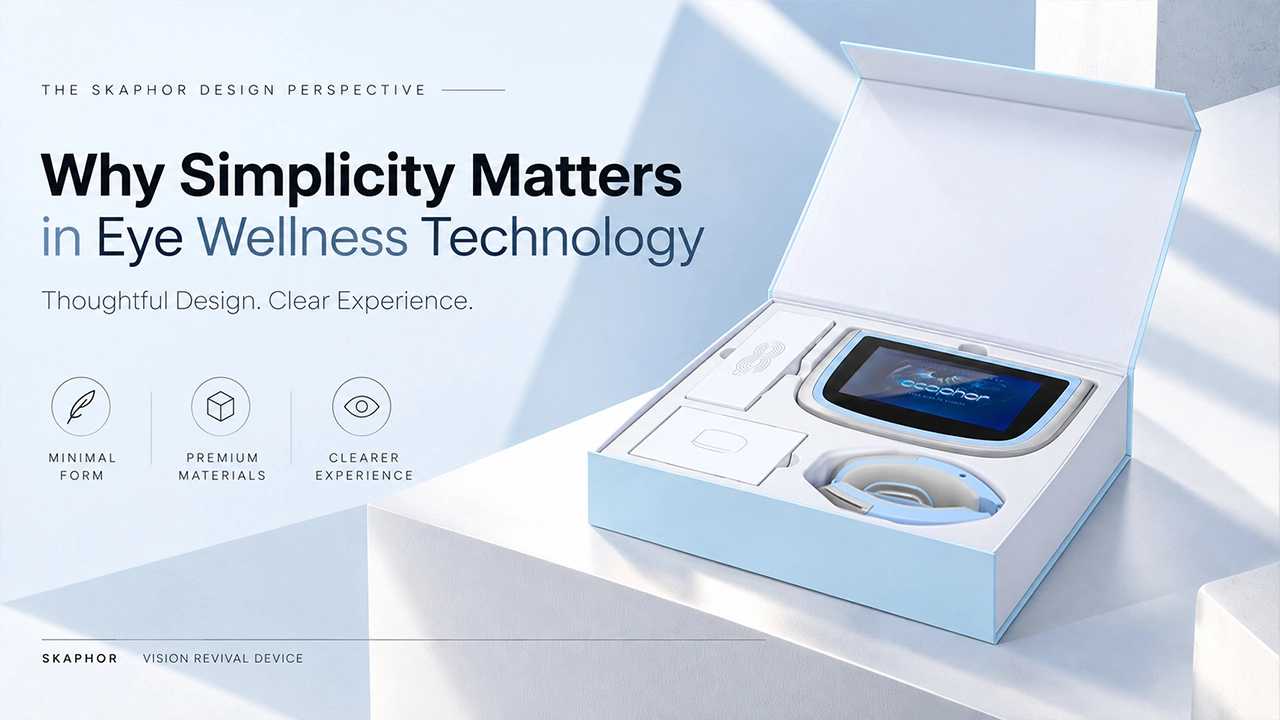
Why Simplicity Matters in Eye Wellness Technology
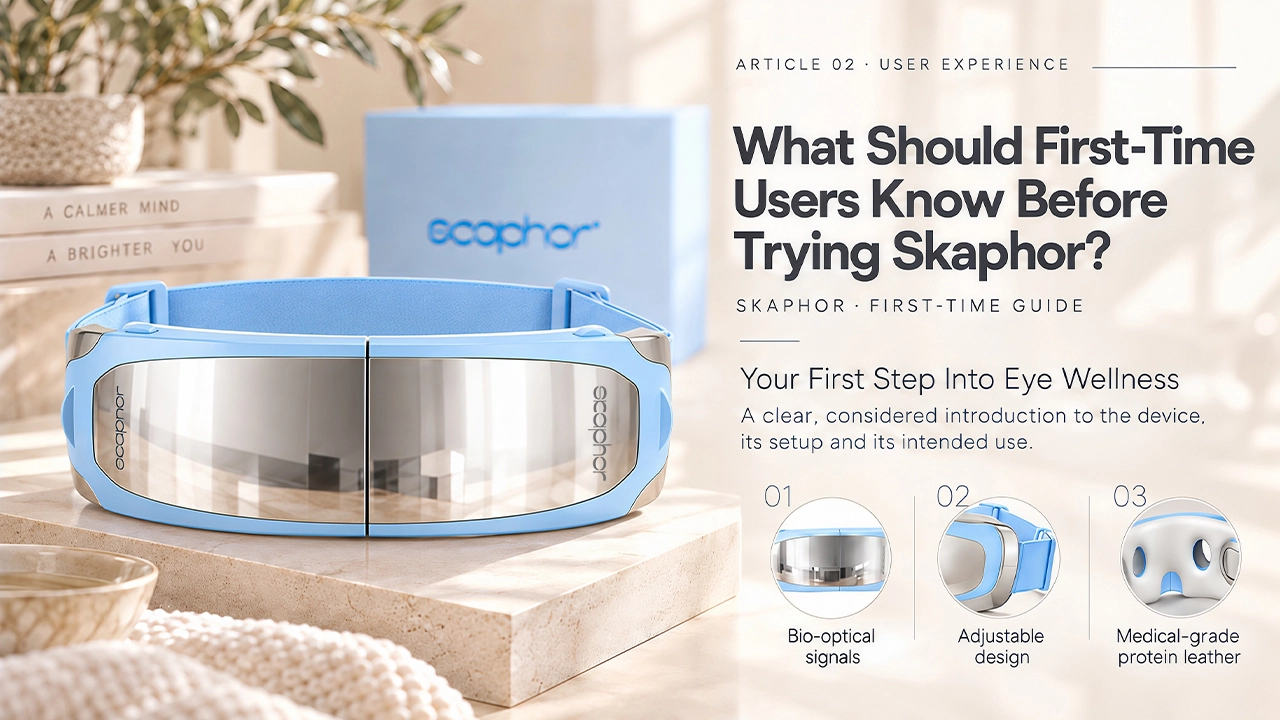
What Should First-Time Users Know Before Trying Skaphor?
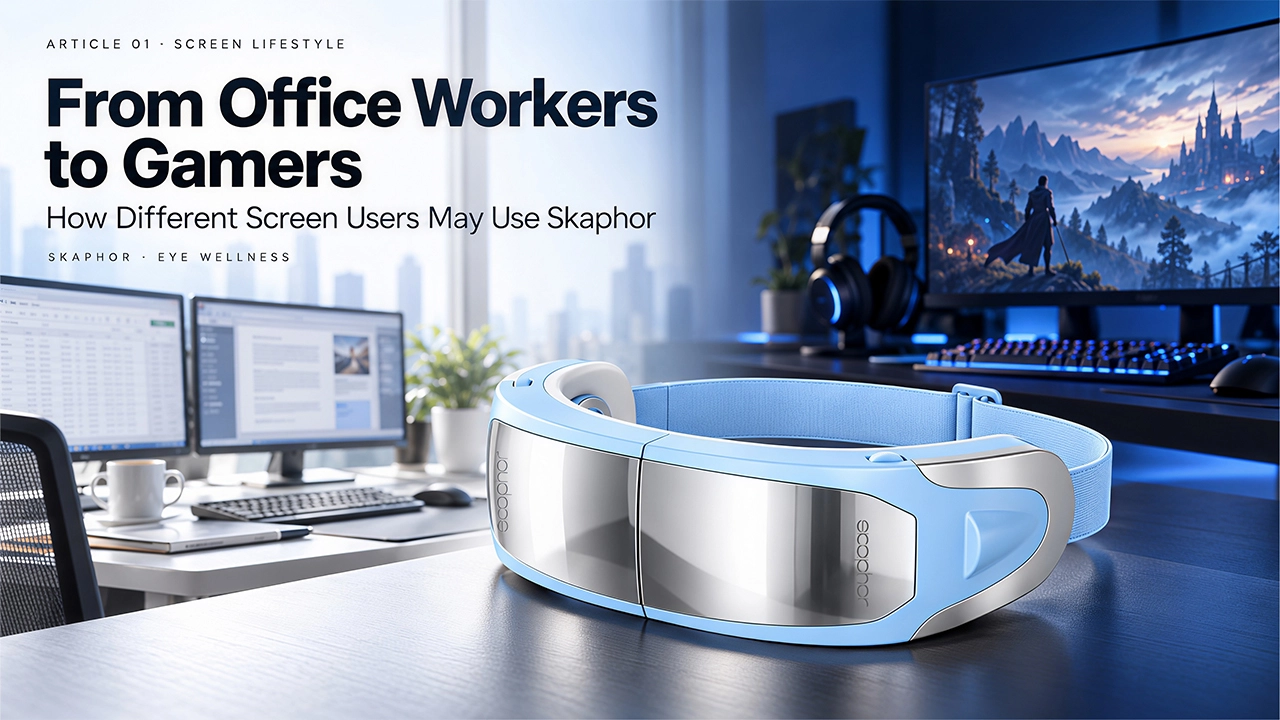
From Office Workers to Gamers: How Different Screen Users May Use Skaphor
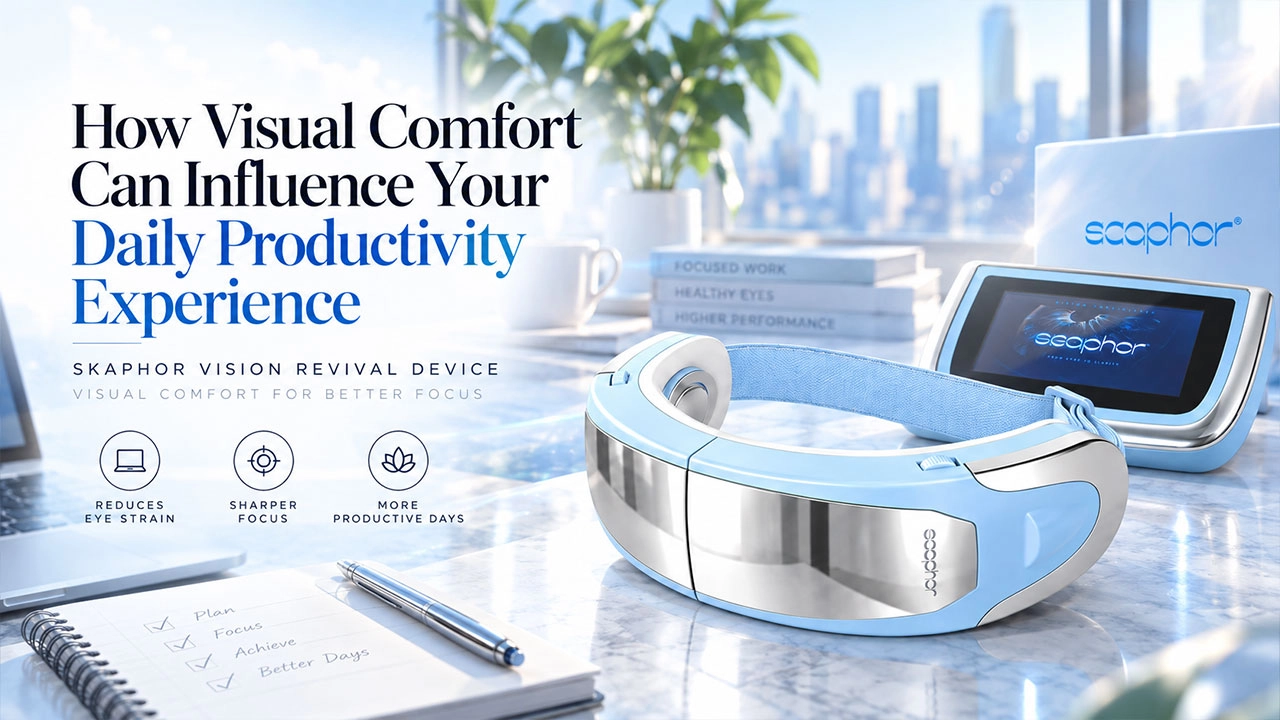
How Visual Comfort Can Influence Your Daily Productivity Experience?
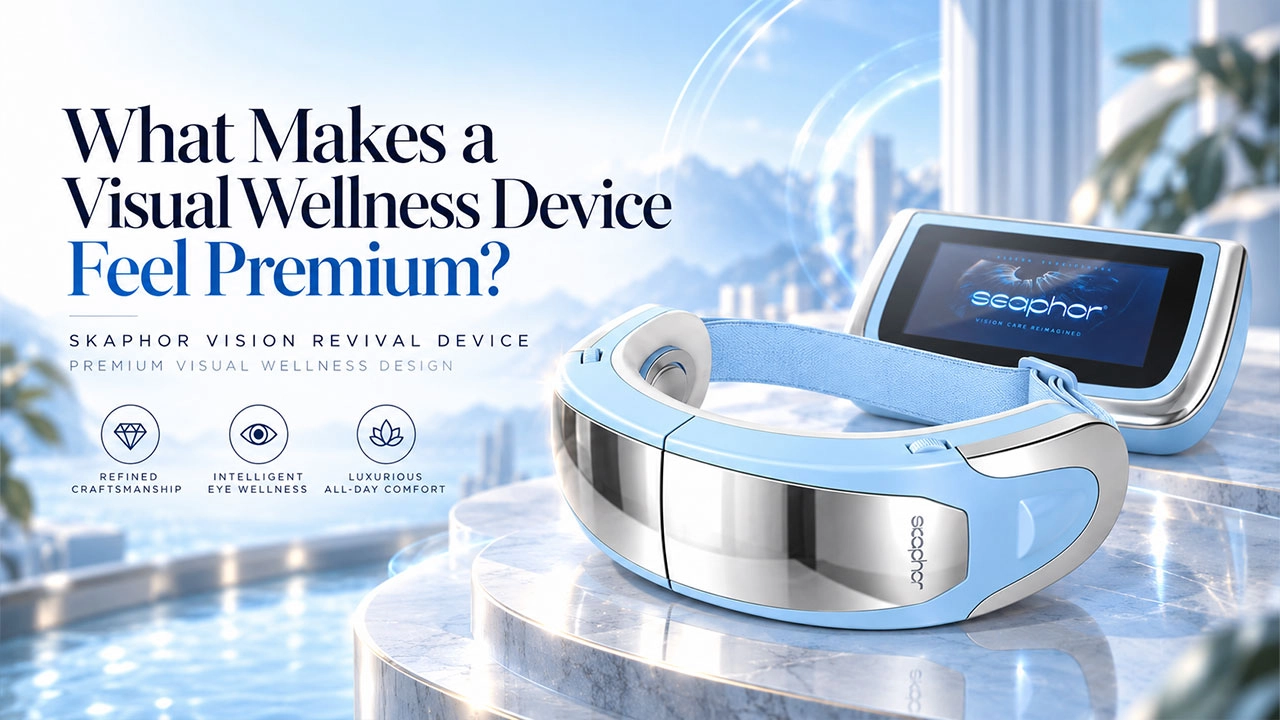
What Makes a Visual Wellness Device Feel Premium?
Product Categories
Product Categories
FAQ
About Products
What is the difference between Skaphor and other eye care devices?
Ordinary eye care device only massages the eye area, while Skaphor directly stimulates the visual cortex through 0-100Hz bio-optical signals (clinical effectiveness rate of 92%).
Customized Service (For OEM/ODM)
How long does it take to customize?
60 days for standard customization (including mold development + prototype confirmation); expedited solutions need to be evaluated.
About Skaphor
Where is Skaphor based and where do you ship?
We are based in Guangzhou, China, and our products are exported to over 30 countries worldwide, including the U.S., UK, Australia, South Korea, and many more.
About Company
Do you have a medical device manufacturing license?
We hold a Class II Medical Device Manufacturing License issued by the Guangdong Pharmaceutical Administration (number can be verified).
Logistics and Customs Clearance
Is the package shockproof and moisture-proof?
It adopts EPP foam + an anti-static bag with three levels of protection and passes a 1.5-meter drop test.
-
Contact Us for More Details
-
-
For custom designs, competitive pricing, or strategic partnerships, reach out to us. We'll get back to you promptly—usually within 24 hours.
-
Ruiheng Technology--Global Eye Protection Technology Innovator.
Contact Skaphor
Email: admin@skaphor.net
Address: Room 406, No. 101, Wanghu 1st Road, Baiyun District, Guangzhou, Guangdong Province, China.
© 2026 Skaphor. All Rights Reserved.
Skaphor
Skaphor