
Send My Projects Request
Presbyopia Is Not the Only Issue: Hidden Vision Risks in Middle Age
Thursday, 09/25/2025
Many people attribute vision changes in middle age solely to presbyopia (age-related farsightedness). However, presbyopia is far from the only concern. Conditions such as glaucoma, macular degeneration, dry eye syndrome, and declining optic nerve function are often overlooked risks during this stage of life. In this article, we explore the common but hidden vision risks faced by middle-aged adults and provide practical strategies for prevention and management.
1. Why Middle Age Marks a Turning Point in Vision Health
Aging eye structures: The lens loses elasticity, reducing focusing ability.
Rising chronic disease risks: Conditions like diabetes and hypertension become more common and place added strain on the eyes.
Lifestyle pressures: Extended screen use, poor sleep, and limited physical activity weaken the eyes’ ability to repair themselves.
2. Common Hidden Vision Risks in Middle Age
Glaucoma
Key feature: Early stages often show no symptoms, but damage to the optic nerve can be irreversible.
Risk factors: Family history, elevated eye pressure, and long-term visual strain.
Age-Related Macular Degeneration (AMD)
Key feature: Central vision loss, distortion, or dark spots.
Early signs may appear in middle age and worsen without intervention.
Dry Eye Syndrome
Key feature: Dryness, burning, or stinging, often linked to prolonged computer use.
If untreated, it may lead to corneal damage and chronic visual fatigue.
Diabetic Retinopathy
Key feature: Fluctuating vision, microhemorrhages, or retinal changes.
Strongly tied to diabetes; middle-aged adults should pay close attention to blood sugar control.
Decline in Optic Nerve Function
Key feature: Blurred vision, especially reduced night vision.
Associated with slower nerve conduction and reduced microcirculation.
3. Science-Based Eye-Care Strategies for Middle Age
Regular checkups
Schedule a comprehensive eye exam at least once a year, including eye pressure, retina, and optic nerve assessments.
Lifestyle adjustments
Maintain a consistent sleep schedule with 7–8 hours of rest.
Reduce prolonged screen exposure and increase outdoor activities.
Nutritional support
Include foods rich in lutein, vitamin C, vitamin E, and Omega-3 fatty acids.
Manage blood sugar and blood pressure to prevent eye-related complications.
Use of eye-care devices
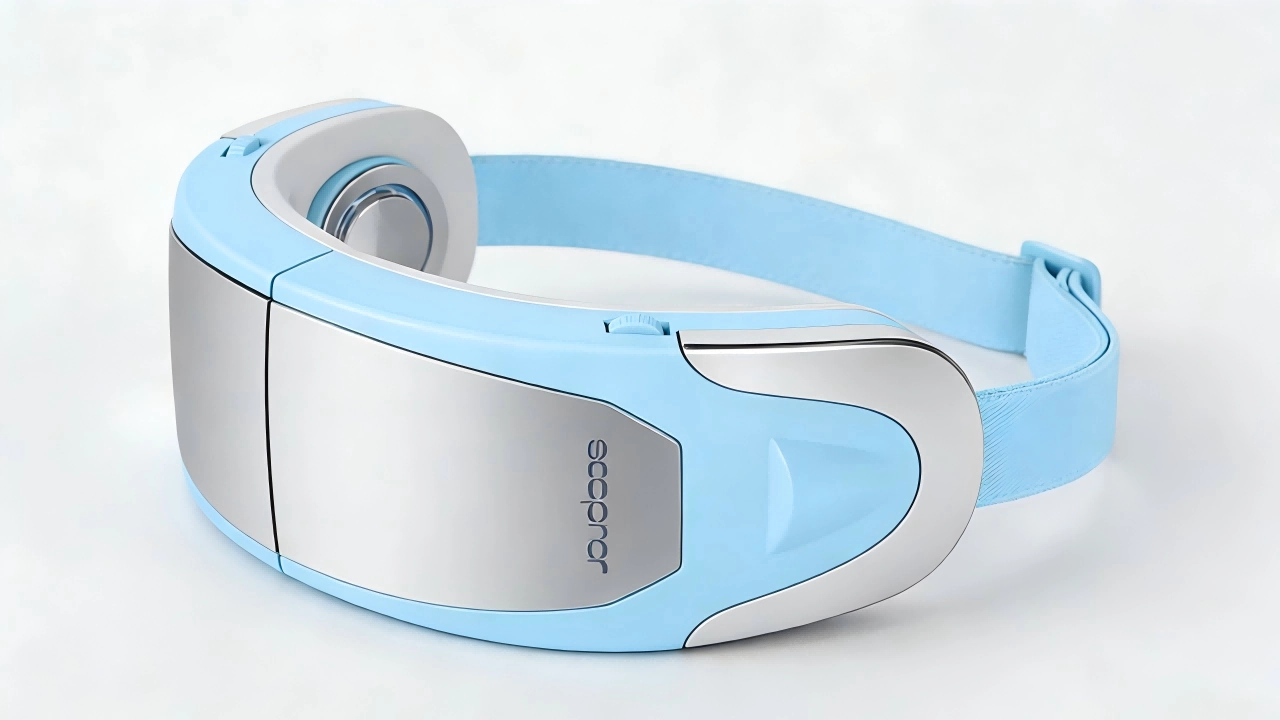
Devices like the Skaphor Vision Revival Device can help reduce eye fatigue and support optic nerve function.
Its Micropulse Photoreceptive Repair Technology gently stimulates photoreceptor cells, aiding in visual comfort and daily maintenance.
Ideal for use after work or before bedtime in 10–15 minute sessions.
Middle-aged vision problems go beyond presbyopia. Hidden risks like glaucoma, macular degeneration, dry eye syndrome, and diabetic retinopathy can silently damage vision if left unaddressed. By combining regular eye exams, healthy lifestyle choices, balanced nutrition, and supportive technologies, middle-aged adults can better protect their eyes, slow down visual decline, and maintain clear sight for the years ahead.
Prdoucts Categories
Recommended for you
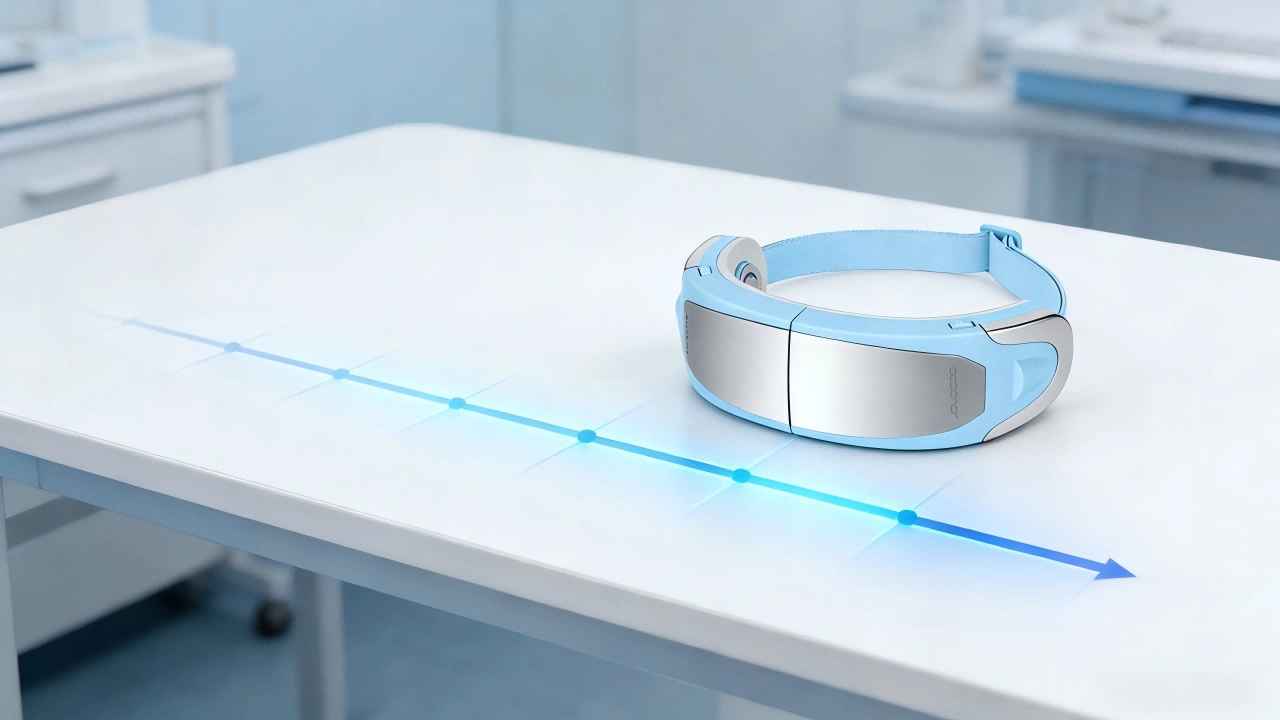
Seeing Clearly ≠ Seeing Comfortably: Why Visual Endurance Is Gaining Medical Attention
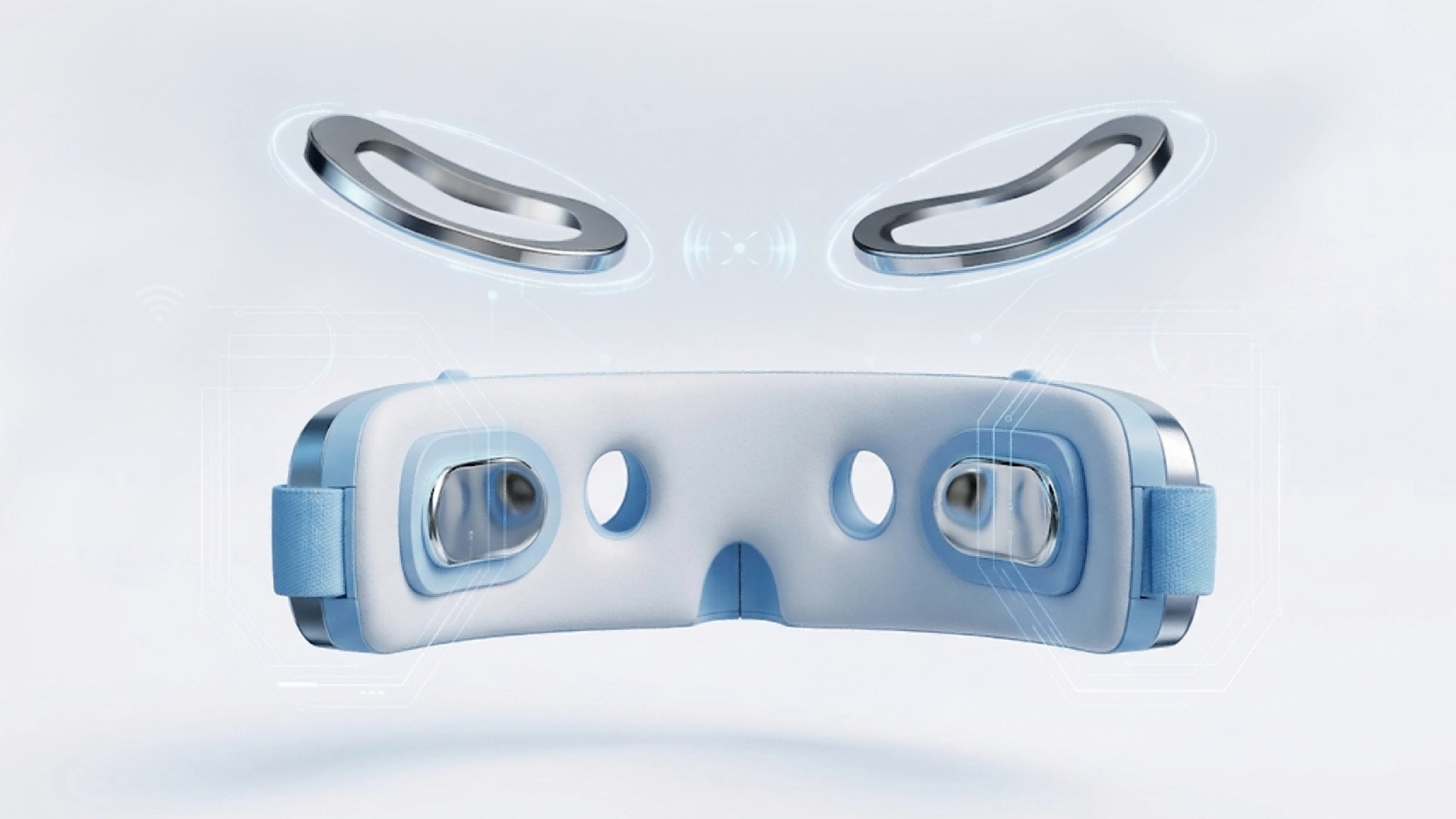
What Is Magnetic Electrode Design? A New Trend in Eye Care Devices
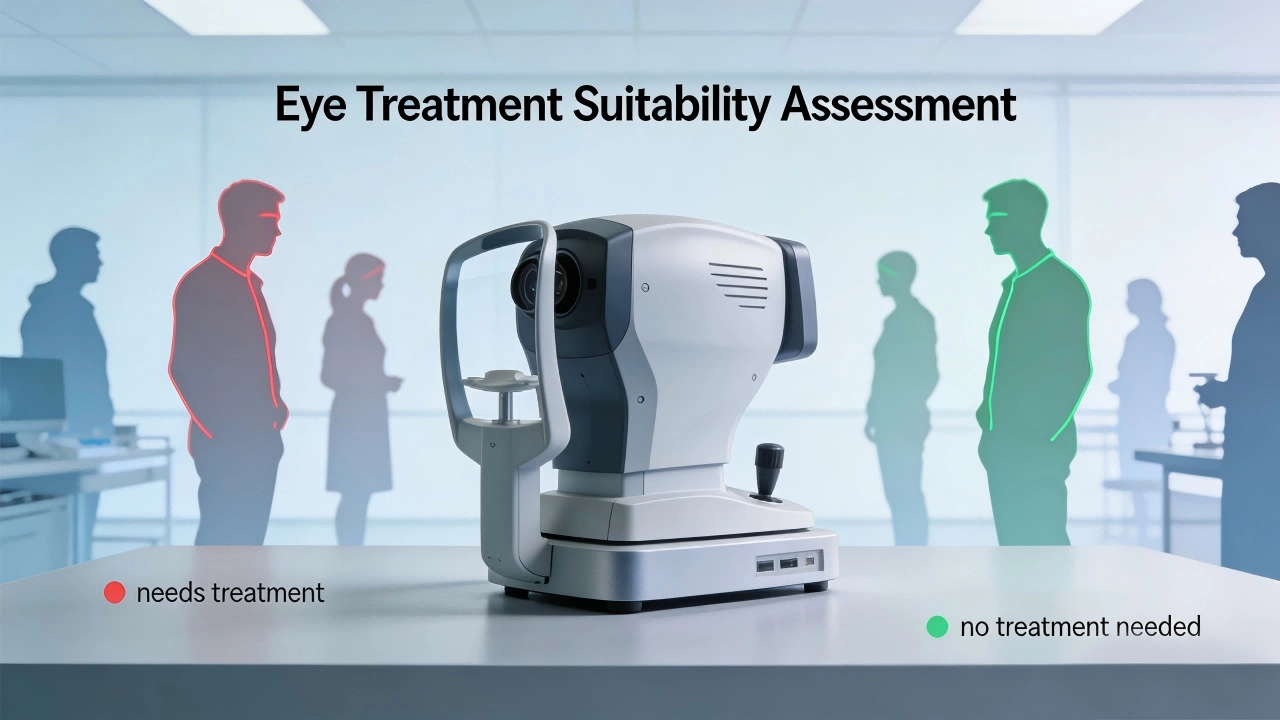
Are Eye Treatment Machines Suitable for Everyone?
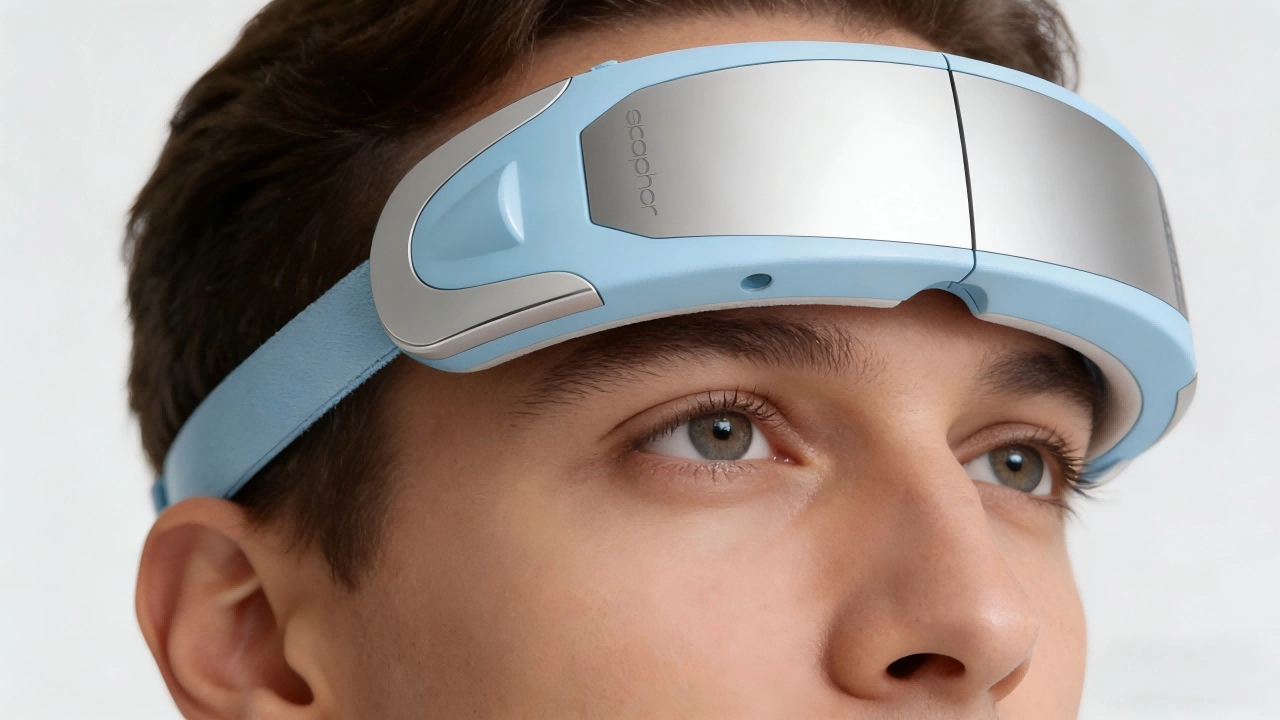
Eye Care Instruments: Why Skin-Contact Materials Matter More Than Specs
Eye Caring Instrument Design: Three Details That Matter Most
Prdoucts Categories
Prdoucts Categories
FAQ
About Company
Do you have any overseas market access certificates?
We have obtained CE (MDD), FCC, ROHS, and EMC certificates and can assist in target market registration.
Technical Verification
How to ensure safety?
Built-in current/temperature triple protection system, passed GB9706.1-2020 medical electrical safety standards.
After-sales Support (For B2B Service)
Do you provide after-sales spare parts inventory?
For VIP customers to keep three per thousand of the order quantity of spare machine inventory (free hosting for 1 year).
About Skaphor
What is Skaphor and what products do you specialize in?
Skaphor is a high-tech brand specializing in intelligent eye therapy devices and hydrogen wellness solutions. We focus on combining advanced technology with wellness to deliver innovative, effective, and user-friendly health and beauty equipment.
Logistics and Customs Clearance
Can the package be labeled in the customer's country?
Multi-language labeling is supported (compliance text and location drawings must be provided).
-
Contact Us for More Details
-
-
For custom designs, competitive pricing, or strategic partnerships, reach out to us. We'll get back to you promptly—usually within 24 hours.
-
Ruiheng Technology--Global Eye Protection Technology Innovator.
Contact Skaphor
Email: admin@skaphor.net
Address: Room 406, No. 101, Wanghu 1st Road, Baiyun District, Guangzhou, Guangdong Province, China.
© 2026 Skaphor. All Rights Reserved.
zhu Juliy
Skaphor_ Juliy