
Send My Projects Request
Why Eye Drops Can’t Replace Eye Care Devices: A Scientific Look at Four Common Misconceptions
Thursday, 08/7/2025
Eye drops are often seen as the go-to solution for almost any eye discomfort—dryness, soreness, or even fatigue. But few people realize that eye drops alone cannot repair photoreceptors or regulate visual neural pathways. In this article, we uncover four common myths about eye drops and explain why dedicated eye care devices offer essential, irreplaceable benefits in maintaining visual health.
Misconception 1: “Dry eyes? Just use eye drops.”
Reality: Most eye drops provide only surface-level lubrication, useful for temporary relief.
However, chronic dry eye often stems from tear film instability, meibomian gland dysfunction, or neural dysregulation, which drops alone cannot resolve.
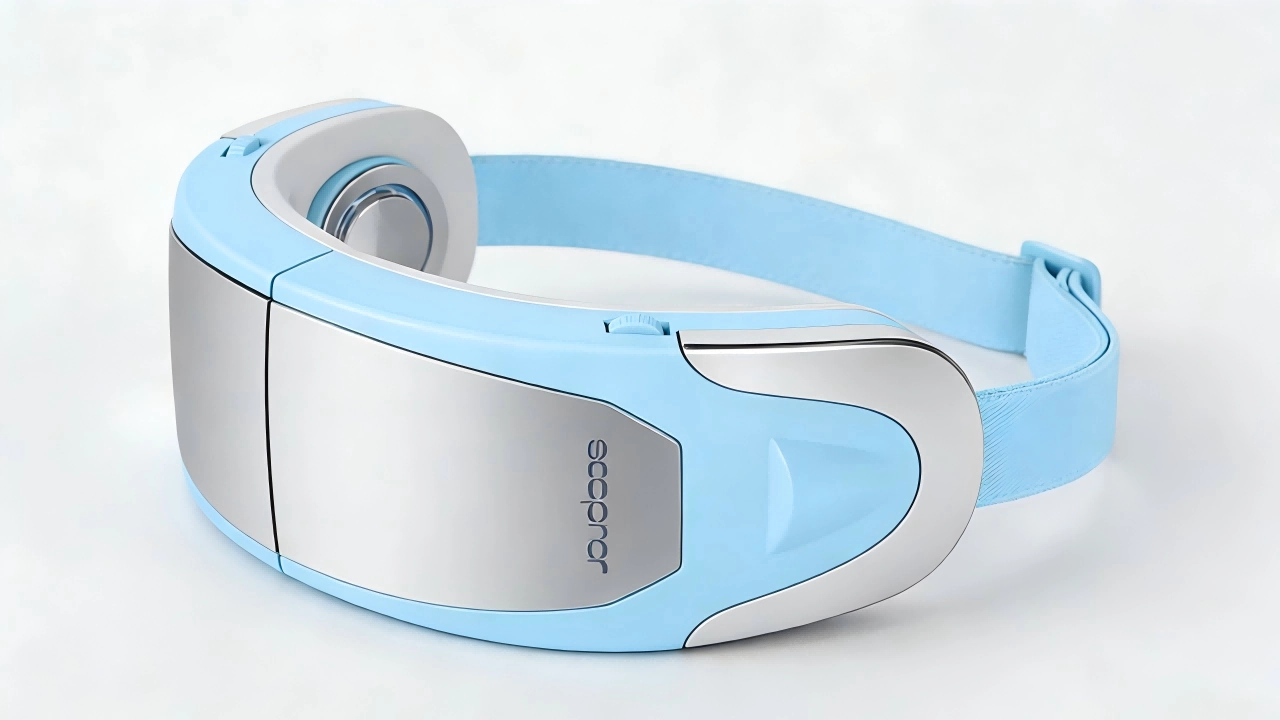
Devices like the Skaphor Vision Revival Device, powered by Micropulse Photoreceptive Repair Technology, work by gently awakening photoreceptor activity and supporting neuro-ocular signaling, targeting the root causes, not just the symptoms.
Misconception 2: “Eye drops reduce eye fatigue.”
Reality: The relief from eye drops is often a cooling sensation, not true fatigue recovery.
Eye fatigue typically involves overactive neural circuits, reduced blinking, and heavy cognitive load, which cannot be addressed.
Eye care devices, in contrast, offer visual rhythm modulation and neural relaxation mechanisms that help reset the visual system and restore functional balance over time.
Misconception 3: “Eye drops can prevent eye diseases.”
Reality: Eye drops are designed for symptom relief, not disease prevention.
Conditions like glaucoma, age-related macular degeneration (AMD), and chronic dry eye involve photoreceptor apoptosis, impaired neural transmission, and microcirculatory decline—factors that drops cannot influence.
True preventive care requires systemic, long-term strategies, including neurosensory regulation and cellular support, functions eye care devices are designed to assist with.
Misconception 4: “There’s no harm in using eye drops frequently.”
Reality: Long-term or excessive use can carry risks:
Preservative toxicity: Many drops contain benzalkonium chloride, which can irritate or damage the ocular surface with prolonged exposure.
Tear film dependence: Excessive use may reduce natural tear production, worsening the problem over time.
Symptom masking: Mild vision changes or rising eye pressure may go unnoticed if drops offer temporary comfort, delaying proper diagnosis.
In contrast, eye care devices provide non-pharmacological, low-risk interventions suitable for long-term vision wellness without chemical exposure.
Eye drops are valuable for temporary relief or adjunctive care, but they are not a standalone solution. Sustainable eye health management should address photoreceptor recovery, neural modulation, and visual rhythm optimization—which is where eye care devices like Skaphor truly shine.
Prdoucts Categories
Recommended for you
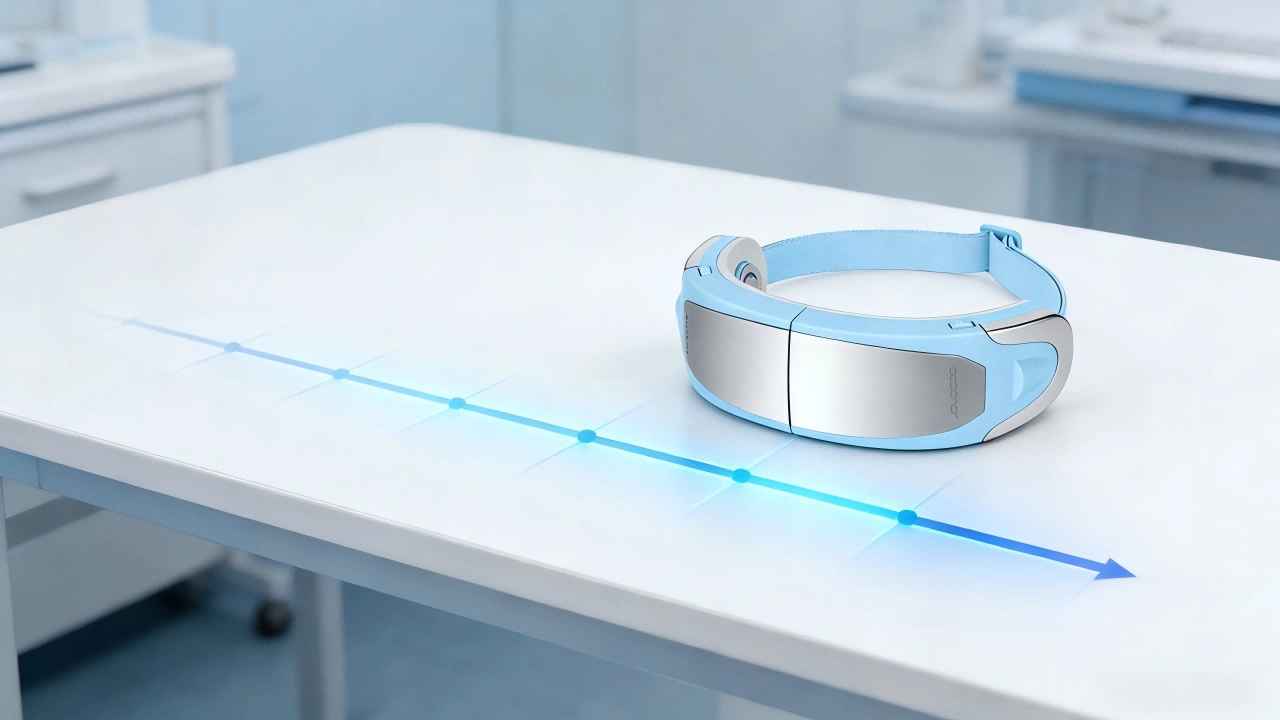
Seeing Clearly ≠ Seeing Comfortably: Why Visual Endurance Is Gaining Medical Attention
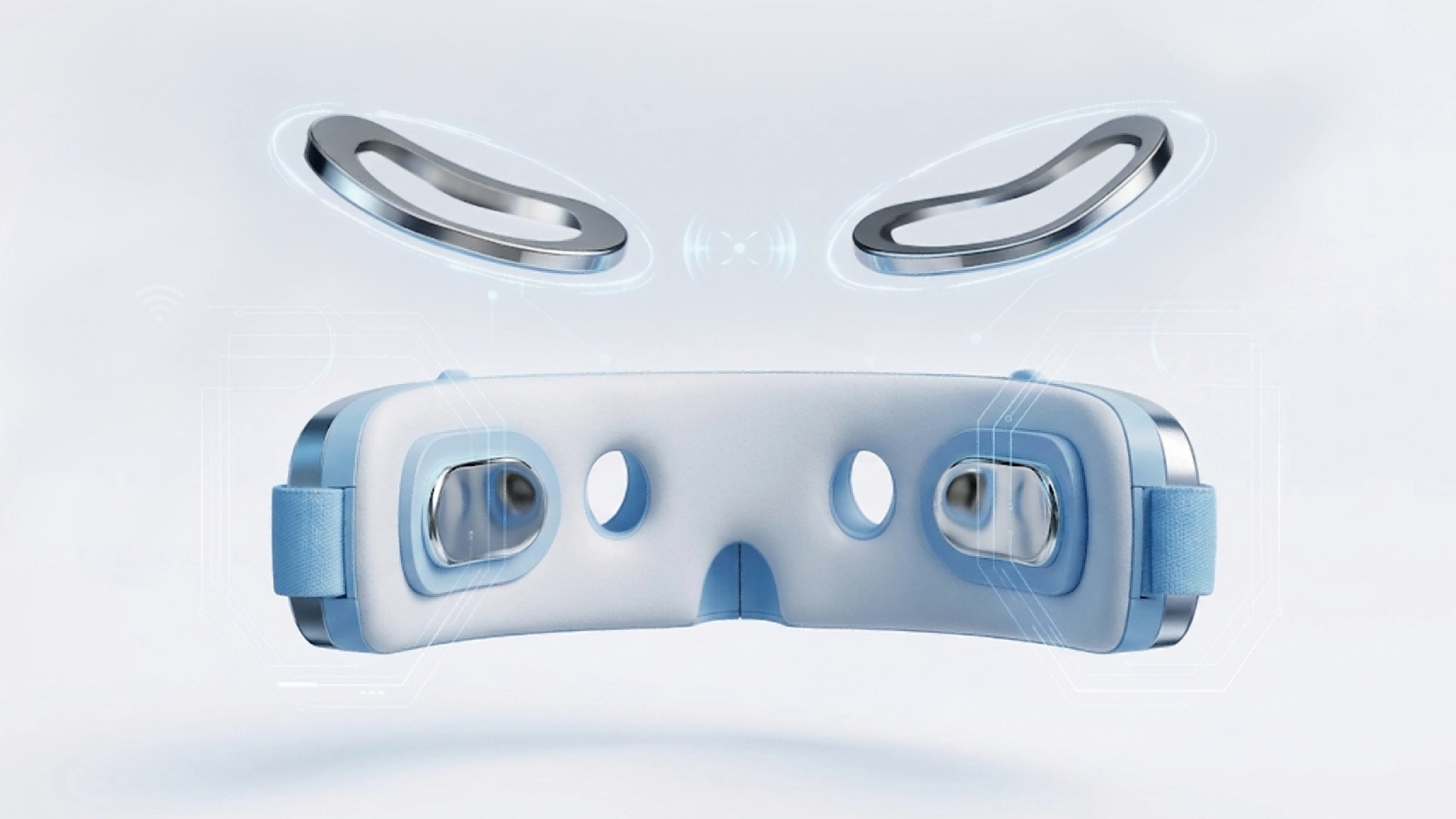
What Is Magnetic Electrode Design? A New Trend in Eye Care Devices
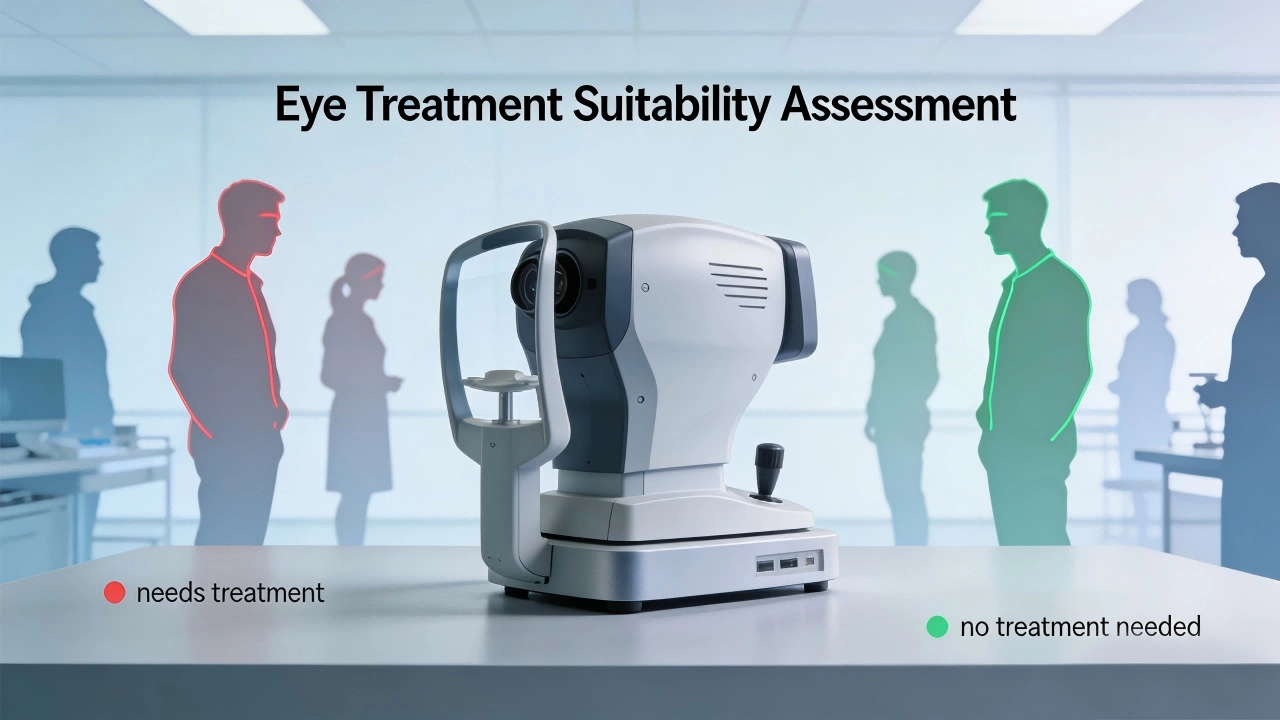
Are Eye Treatment Machines Suitable for Everyone?
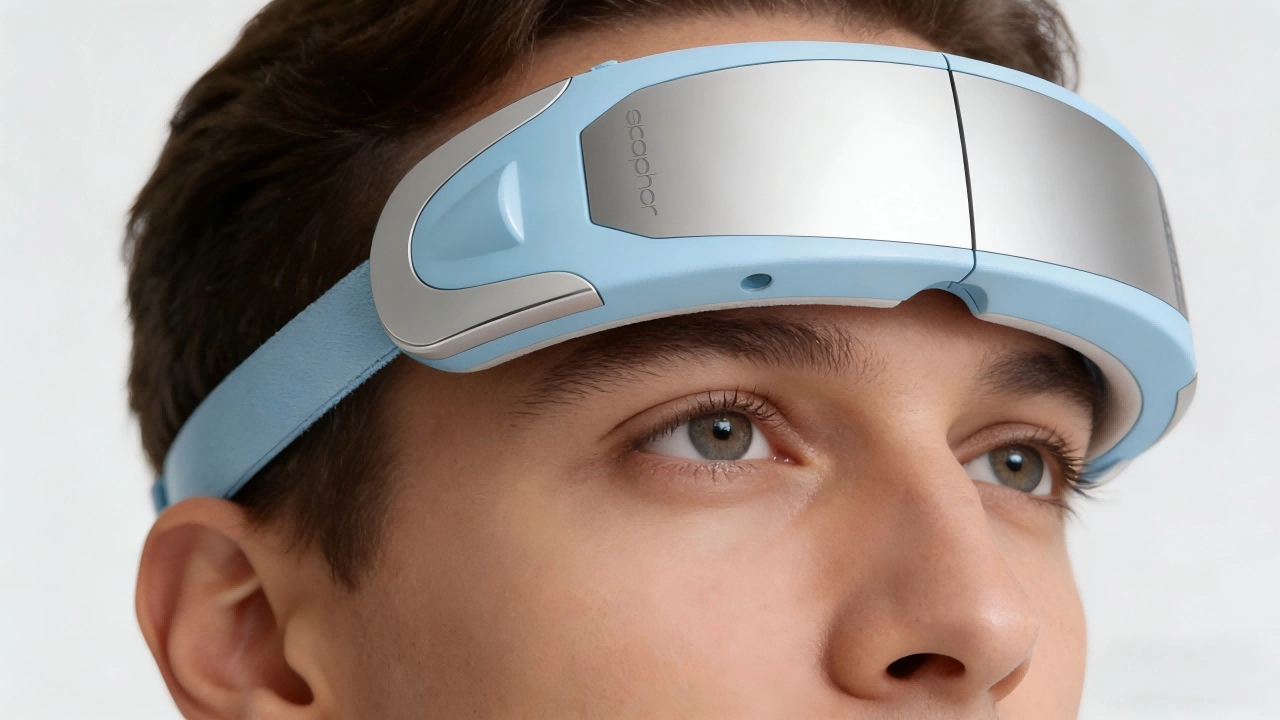
Eye Care Instruments: Why Skin-Contact Materials Matter More Than Specs
Eye Caring Instrument Design: Three Details That Matter Most
Prdoucts Categories
Prdoucts Categories
FAQ
About Products
Do I need to take medication?
Pure physical therapy. The electrode part is used with the aid of wet sanitary pads.
Marketing Support
Is there any joint promotion subsidy?
Annual purchases of more than 10,000 units can apply for a 50% rebate on advertising costs.
Customized Service (For OEM/ODM)
How long does it take to customize?
60 days for standard customization (including mold development + prototype confirmation); expedited solutions need to be evaluated.
Does it support OEM labeling?
Yes, with a minimum order quantity of 500 units, we provide LOGO laser engraving/UI interface customization services.
About Company
What is the background of the R&D team?
The core team consists of experts from Zhongshan Ophthalmic Center and PhDs in optoelectronic engineering, and owns 15 patents related to visual rehabilitation.
-
Contact Us for More Details
-
-
For custom designs, competitive pricing, or strategic partnerships, reach out to us. We'll get back to you promptly—usually within 24 hours.
-
Ruiheng Technology--Global Eye Protection Technology Innovator.
Contact Skaphor
Email: admin@skaphor.net
Address: Room 406, No. 101, Wanghu 1st Road, Baiyun District, Guangzhou, Guangdong Province, China.
© 2026 Skaphor. All Rights Reserved.
zhu Juliy
Skaphor_ Juliy