
Send My Projects Request
Why Do Your Eyes Feel Uncomfortable Even Without Dryness?
Tuesday, 12/9/2025
Eye discomfort does not always come with obvious dryness or irritation. Many people experience eye fatigue, heaviness, or difficulty focusing even when their eyes appear normal.
In many cases, this discomfort is not limited to the eye surface, but is closely related to how visual signals are transmitted and processed along the neuro-visual pathway.
This article explores why eye discomfort can occur without dryness and offers a clearer understanding of the role visual pathways play in modern visual fatigue.

Eye Discomfort Is Not Always a Surface Problem
Traditionally, eye discomfort is commonly associated with factors such as:
-
Reduced tear production
-
Dry or irritated ocular surfaces
-
Environmental dryness, air conditioning, or prolonged screen exposure
While these factors certainly contribute to discomfort, they do not explain every case.
Many people maintain relatively stable tear film conditions yet still experience persistent visual fatigue and discomfort.
This suggests that, for some individuals, the source of discomfort may lie beyond the surface of the eye — within the process of visual information transmission and processing itself.
Seeing Is Not Performed by the Eyes Alone
What we casually refer to as “seeing” is actually a coordinated process involving both the eyes and the brain.
From a functional perspective, visual perception generally involves three stages:
-
Light reception
The eyes receive incoming light and convert it into neural signals. -
Signal transmission
These signals travel along the optic nerves toward the brain. -
Neural processing
The brain integrates, interprets, and organizes the signals into meaningful visual perception.
This complete pathway — from light entering the eye to the brain’s interpretation of visual information — is known as the visual pathway.
In simple terms:
The eyes act like a camera,
while the visual pathway is the system that transmits and processes images so the brain can understand them.
What Happens When the Visual Pathway Is Under Constant Load?
Modern lifestyles place continuous demands on the visual system, including:
-
Prolonged screen exposure
-
Frequent near-focus tasks
-
Rapid switching between visual tasks
-
Insufficient rest or disrupted daily rhythms
When the visual pathway operates under sustained load, several changes may occur:
-
Reduced processing efficiency, leading to faster fatigue
-
Slower focus and adjustment, causing blurred or unstable vision over time
-
Disrupted neural rhythm, making recovery less complete even after short breaks
These effects may not present as classic dry eye symptoms, but they can significantly impact overall visual comfort.
Why Rest or Eye Drops Are Sometimes Not Enough
Rest and eye drops remain important tools for managing eye comfort. However, their primary roles typically include:
-
Moisturizing the eye surface
-
Providing short-term relief
-
Reducing immediate irritation
When discomfort is related to visual signal processing load, these approaches may offer only partial relief. They do not directly address how visual information is transmitted and processed along the visual pathway.
This explains why some people feel that, despite resting or using eye drops, their eyes still become uncomfortable during prolonged visual tasks.
Modern Eye Care Is Shifting Toward the Visual Pathway
As understanding of visual mechanisms evolves, eye care concepts are expanding beyond surface-level solutions.
Increasing attention is being given to:
-
The relationship between light signals and neural rhythms
-
How different optical inputs influence visual processing
-
Non-invasive approaches that support visual comfort at a neural level
Based on these insights, light-based eye care devices have emerged with the goal of supporting visual pathway stability and comfort, rather than focusing solely on surface symptoms.
These approaches are not intended to replace medical care, but to offer an additional perspective on maintaining everyday visual wellness.
Who Is More Likely to Experience Visual Pathway–Related Discomfort?
Certain groups may be more prone to this type of discomfort, including:
-
Individuals with prolonged daily screen use
-
Students engaged in intensive near-focus activities
-
Older adults experiencing visual fatigue
-
People who require sustained concentration or precision vision
For these individuals, understanding the underlying source of discomfort can be an important step toward choosing appropriate visual support strategies.
Understanding the Visual Pathway Is the First Step Toward Better Eye Comfort
Not all eye discomfort is caused by dryness, and not all solutions work the same way for everyone.
By shifting attention from the eye surface to the entire visual pathway, it becomes easier to understand why discomfort occurs — and how different approaches may support visual comfort more effectively.
Clear vision matters. Comfortable vision matters just as much.
Prdoucts Categories
Recommended for you
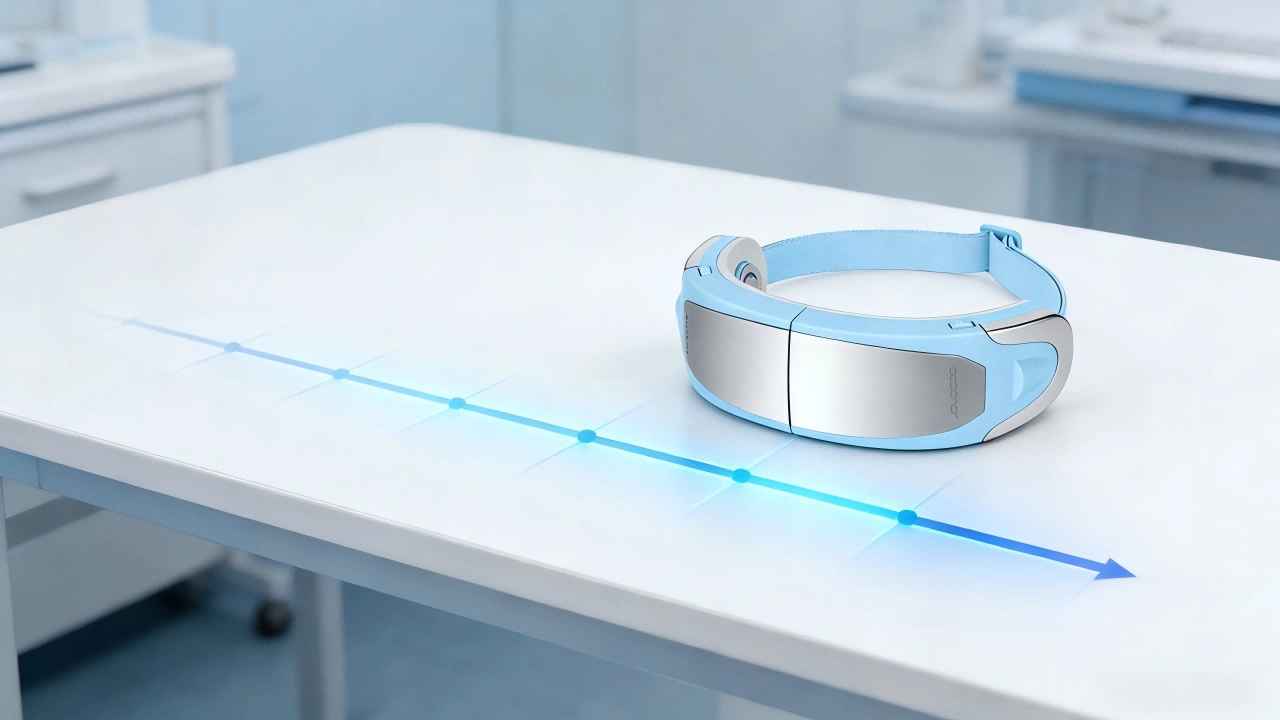
Seeing Clearly ≠ Seeing Comfortably: Why Visual Endurance Is Gaining Medical Attention
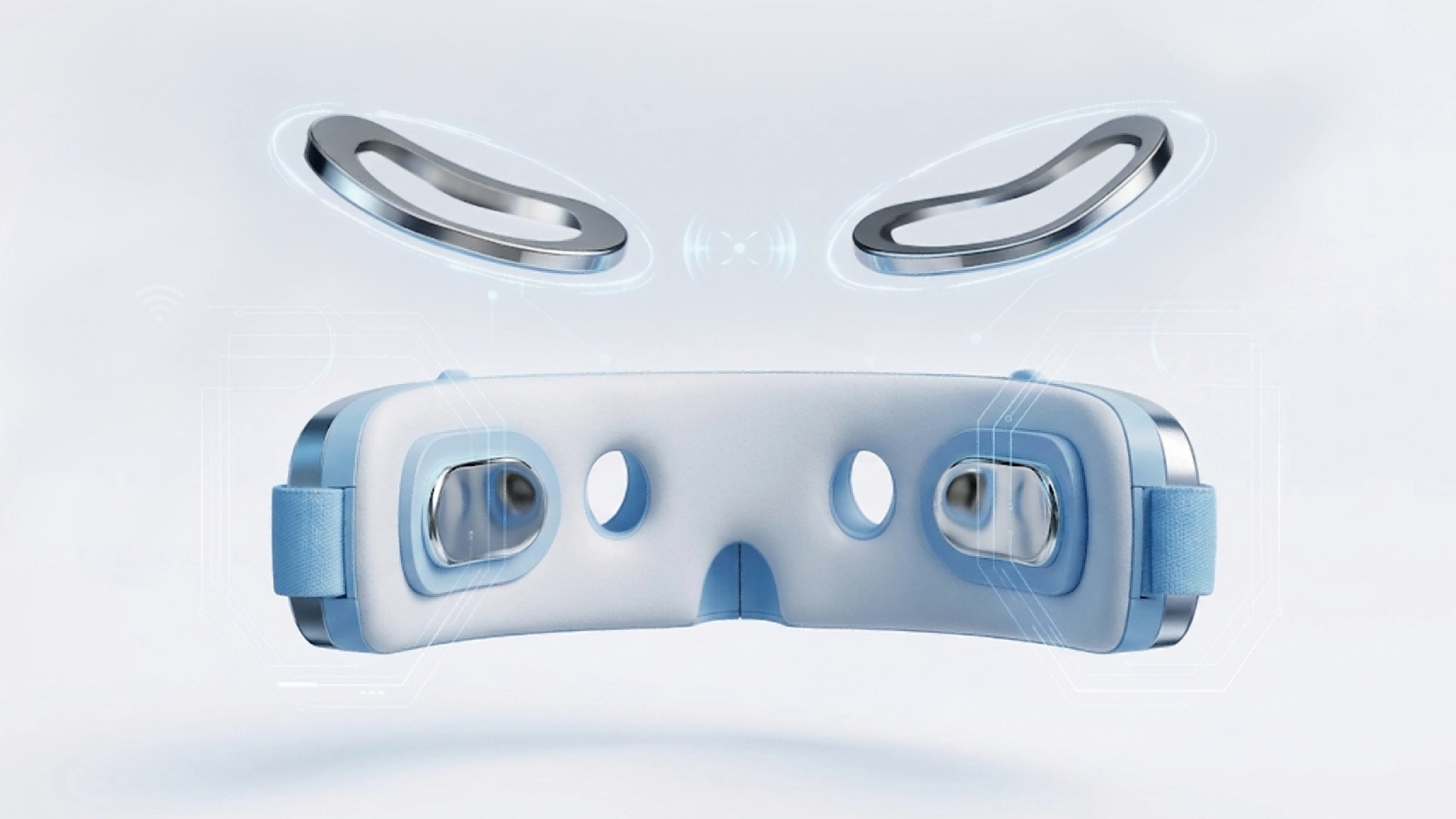
What Is Magnetic Electrode Design? A New Trend in Eye Care Devices
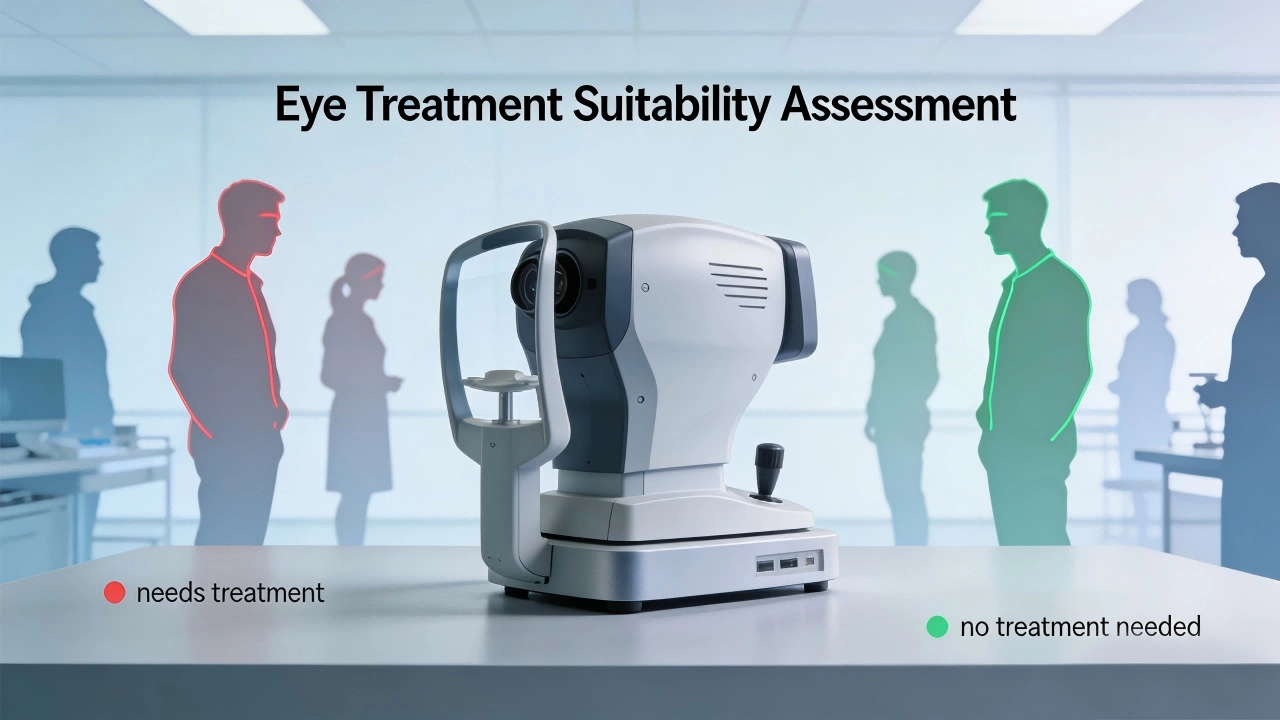
Are Eye Treatment Machines Suitable for Everyone?
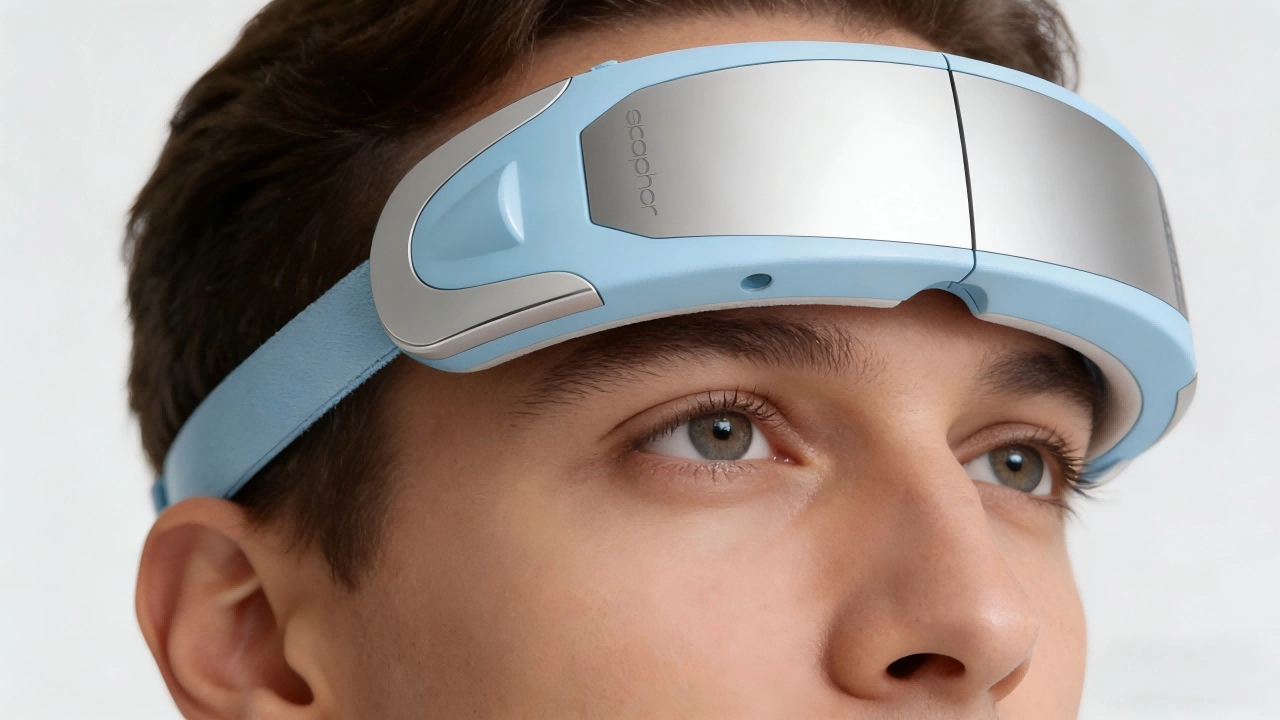
Eye Care Instruments: Why Skin-Contact Materials Matter More Than Specs
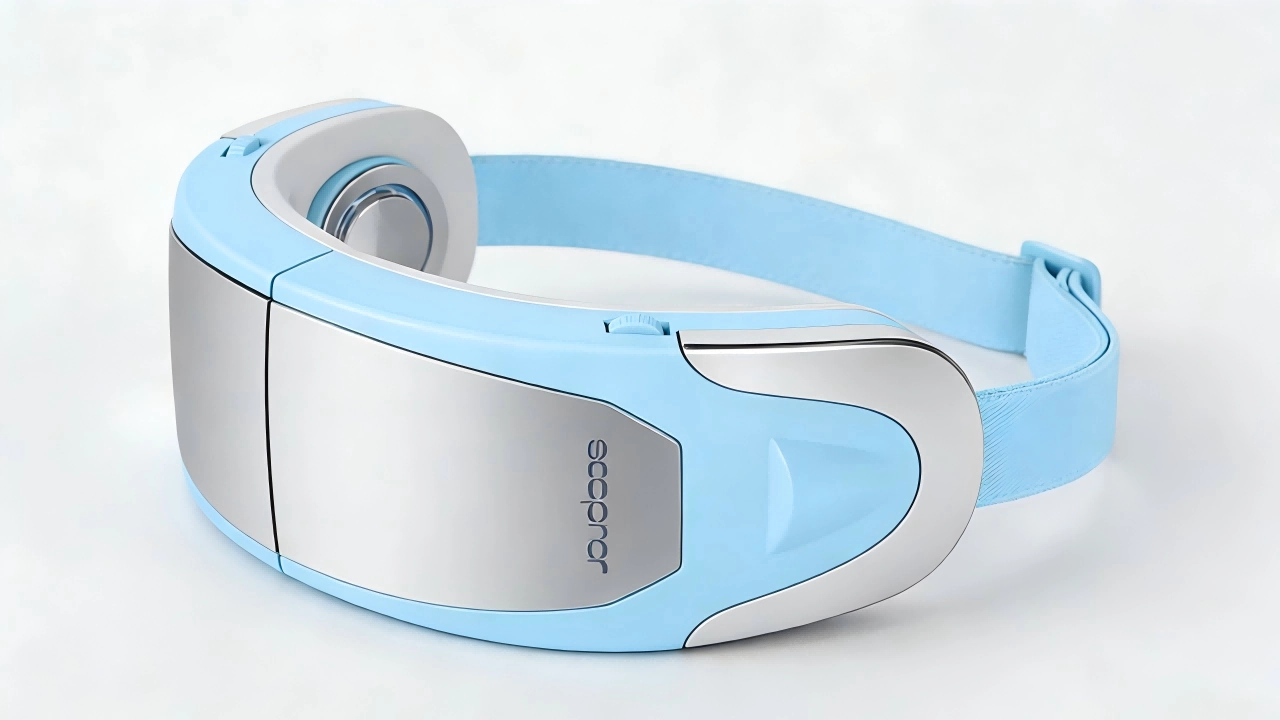
Eye Caring Instrument Design: Three Details That Matter Most
Prdoucts Categories
Prdoucts Categories
FAQ
About Company
Do you have any overseas market access certificates?
We have obtained CE (MDD), FCC, ROHS, and EMC certificates and can assist in target market registration.
About Products
Can you provide third-party test reports?
The SGS safety report is available.
Marketing Support
Do you provide sales kits?
Provide kits containing qualification documents, clinical data, product promotional materials, clinical cases, etc.
About Skaphor
Do you offer OEM or ODM services?
Absolutely. We have a complete and mature OEM/ODM system and welcome global partners to customize products with your branding and requirements.
Technical Verification
What is the source of clinical data?
6-month double-blind trial report issued by the partner tertiary hospital (can be provided after signing the NDA).
-
Contact Us for More Details
-
-
For custom designs, competitive pricing, or strategic partnerships, reach out to us. We'll get back to you promptly—usually within 24 hours.
-
Ruiheng Technology--Global Eye Protection Technology Innovator.
Contact Skaphor
Email: admin@skaphor.net
Address: Room 406, No. 101, Wanghu 1st Road, Baiyun District, Guangzhou, Guangdong Province, China.
© 2026 Skaphor. All Rights Reserved.
zhu Juliy
Skaphor_ Juliy